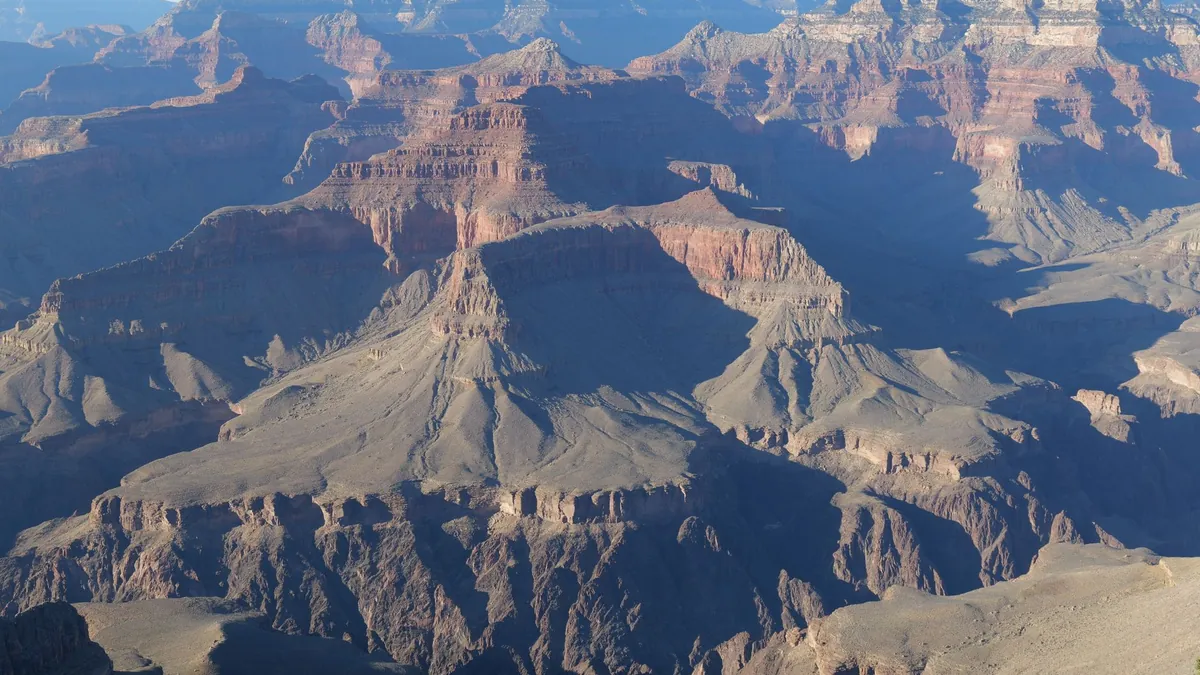
6 Major Mistakes Tourists Make at Grand Canyon
As participants in Amazon Associates and other programs, we earn from qualifying purchases. This comes at no additional cost to you. For more details, see our Affiliate Disclosure.
Every summer, hundreds of Grand Canyon visitors end up requiring emergency rescue — and most of those situations were completely preventable.
These six Grand Canyon summer mistakes are the most common, most dangerous, and most avoidable errors tourists make at one of America’s most extreme environments.
1. Neglecting Proper Hydration and Water Planning

Temperatures inside the canyon regularly exceed 110°F, and dehydration is the leading cause of emergency evacuations, as outlined in the Grand Canyon’s official heat safety guidelines. Water sources on trails are extremely limited, so carrying at least one liter per hour of hiking is non-negotiable in summer conditions.
- Key Takeaway: Pre-hydrate before your hike and never assume water refill stations will be available mid-trail.
2. Wearing Inappropriate Footwear and Clothing

Rocky, uneven canyon terrain demands trail shoes with firm grip and ankle support — sandals and sneakers cause serious injuries on descent. Light-colored, moisture-wicking clothing and a wide-brim hat are essential gear, not optional accessories, during summer visits.
- Key Takeaway: Dress for canyon conditions, not canyon photos — blistered feet and sunburn derail hikes fast.
3. Overestimating Personal Fitness and Underestimating Trail Difficulty
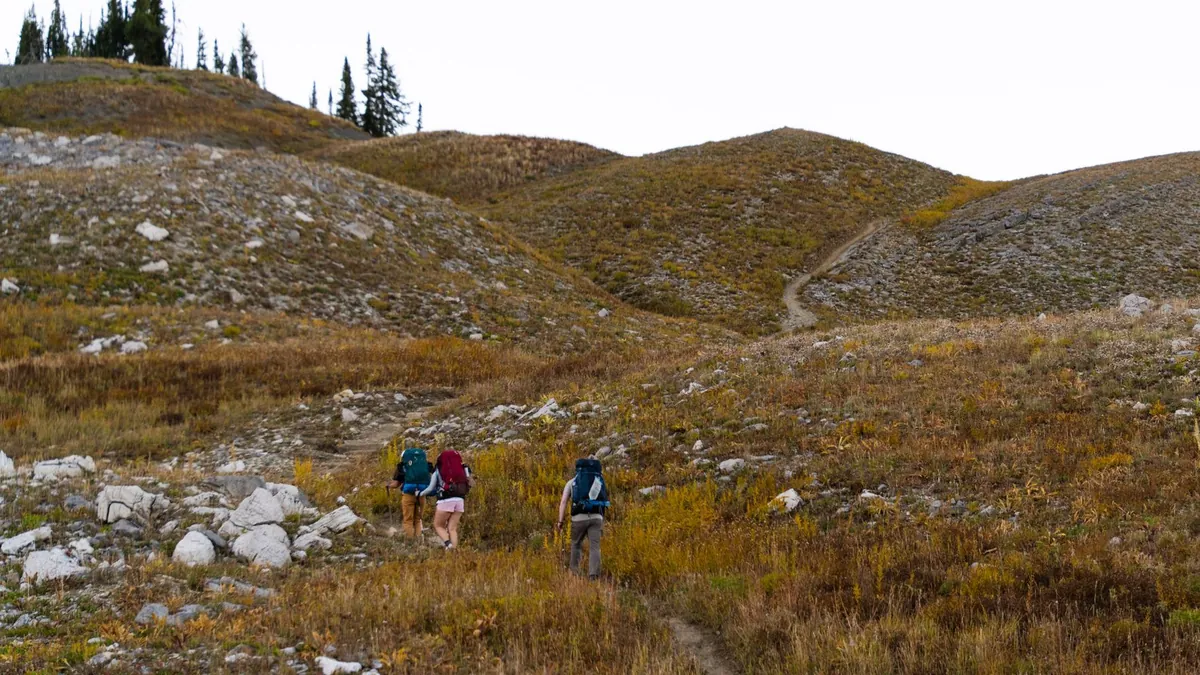
Rim-to-river hikes involve significant elevation changes where, according to Uphill Athlete’s altitude overview, hypoxia begins to impact performance and unacclimatized hikers face serious risk if exertion increases suddenly. Many visitors with zero trail experience attempt Bright Angel or South Kaibab in peak heat, leading to exhaustion and helicopter evacuation.
- Key Takeaway: Train specifically for steep descents and ascents before attempting any rim-to-river route.
4. Skipping Adequate Nutrition and Calorie Intake

Desert hiking burns calories at an alarming rate, and most tourists pack a granola bar when they need a full meal’s worth of fuel per few hours. Inadequate nutrition combined with heat stress impairs judgment and physical coordination — two things you cannot afford to lose on a narrow canyon trail.
- Key Takeaway: Pack salty, calorie-dense snacks to replenish electrolytes like sodium and potassium lost through sweat.
5. Ignoring Flash Flood Warnings and Weather Conditions
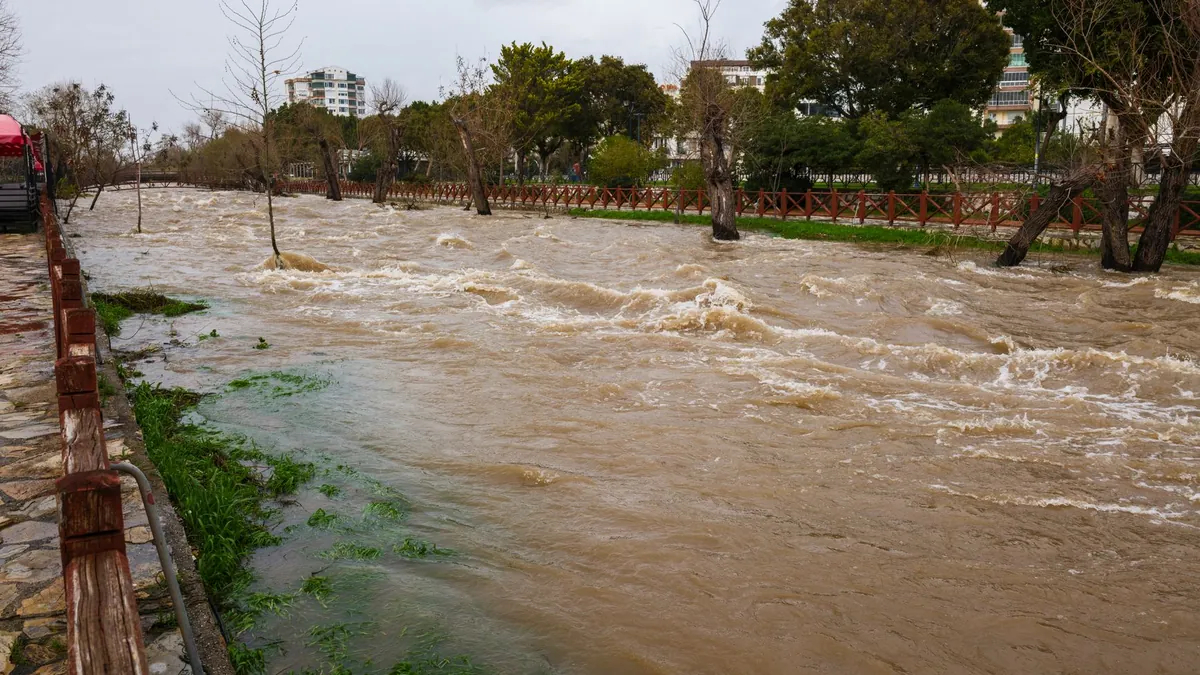
Summer monsoon season triggers sudden, violent flash floods inside narrow canyon passages — even when skies above the rim appear clear. Just as smart travelers pack essentials using a well-organized personal item checklist, canyon hikers must build weather monitoring into their pre-hike routine every single day.
- Key Takeaway: Check the National Weather Service forecast for the entire canyon watershed, not just the rim.
6. Failing to Plan and Prepare for Summer Conditions

Permit requirements, trail closures, sunrise start times, and emergency protocols must be researched before you arrive — not figured out at the trailhead. Helicopter evacuation of ill and injured hikers, as documented in mountain rescue manuals, is expensive, dangerous, and entirely avoidable with proper pre-trip planning.
- Key Takeaway: Start hikes before sunrise, know the nearest ranger station location, and file a trip plan with someone reliable.