Why You Should Never Use Public Airport USB Chargers
As participants in Amazon Associates and other programs, we earn from qualifying purchases. This comes at no additional cost to you. For more details, see our Affiliate Disclosure.
That free USB port at your airport gate could cost you far more than a few minutes of your time.
Understanding Juice Jacking: How Attackers Exploit Public USB Charging Ports
Juice jacking is a cyberattack where criminals compromise public USB ports to steal data or install malware on connected devices. The moment you plug in, your device can begin transmitting personal data without any visible sign.
Researchers have documented fileless malware like JS_POWMET.DE arriving via USB flash disks, abusing legitimate system functions to install backdoors invisibly. According to Trend Micro’s USB malware research, these attacks leave almost no trace on infected systems.
Official Security Warnings from FBI and TSA Regarding Airport Charging Stations
The FBI has publicly warned travelers to avoid public USB charging stations in airports, hotels, and shopping centers. The FCC’s juice jacking advisory confirms that compromised ports can lock devices or export passwords and financial data directly to attackers.
With ongoing concerns about airport security staffing pressures, physical monitoring of public charging stations remains inconsistent across terminals nationwide.
Data Theft and Malware Installation Risks at Public Charging Locations
Public airport USB charging stations security risks extend beyond simple data theft — attackers can install persistent malware that survives device reboots. Victims may not discover the breach until weeks after their trip.
If harm results from negligently maintained airport infrastructure, travelers may have legal grounds for a negligence or personal injury claim against the responsible transportation authority. Consulting a legal professional is advisable if your device is compromised through a public airport facility.
Secure Charging Alternatives: Personal Power Banks and Wall Adapters for Travelers
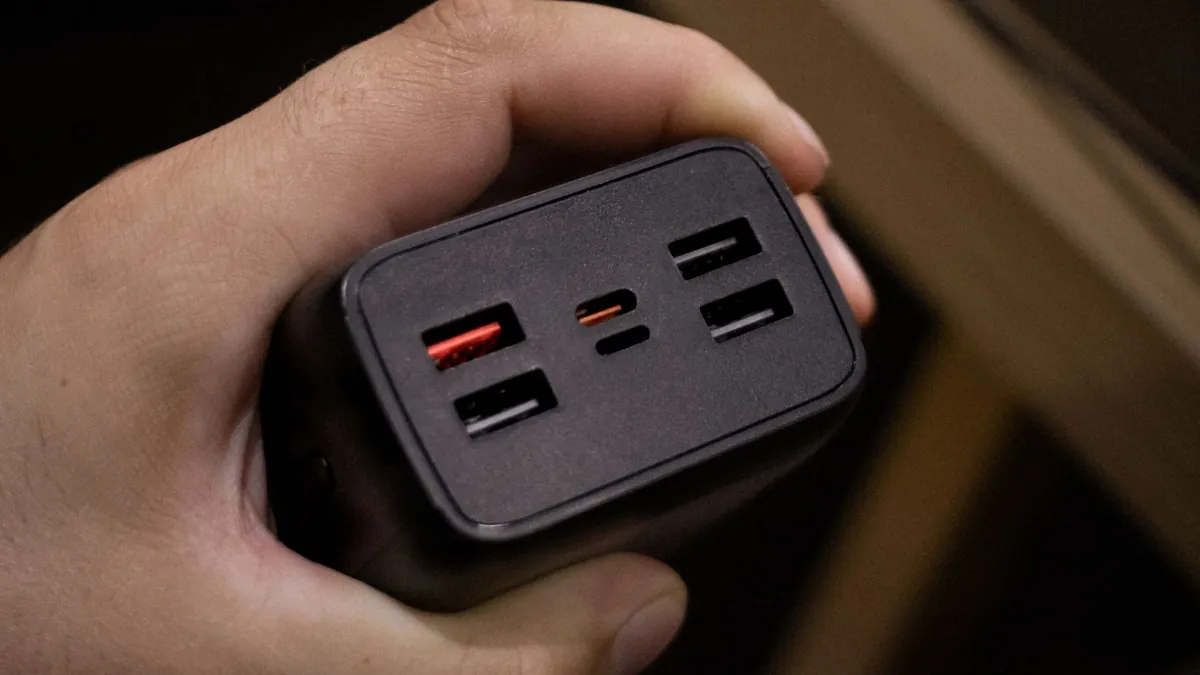
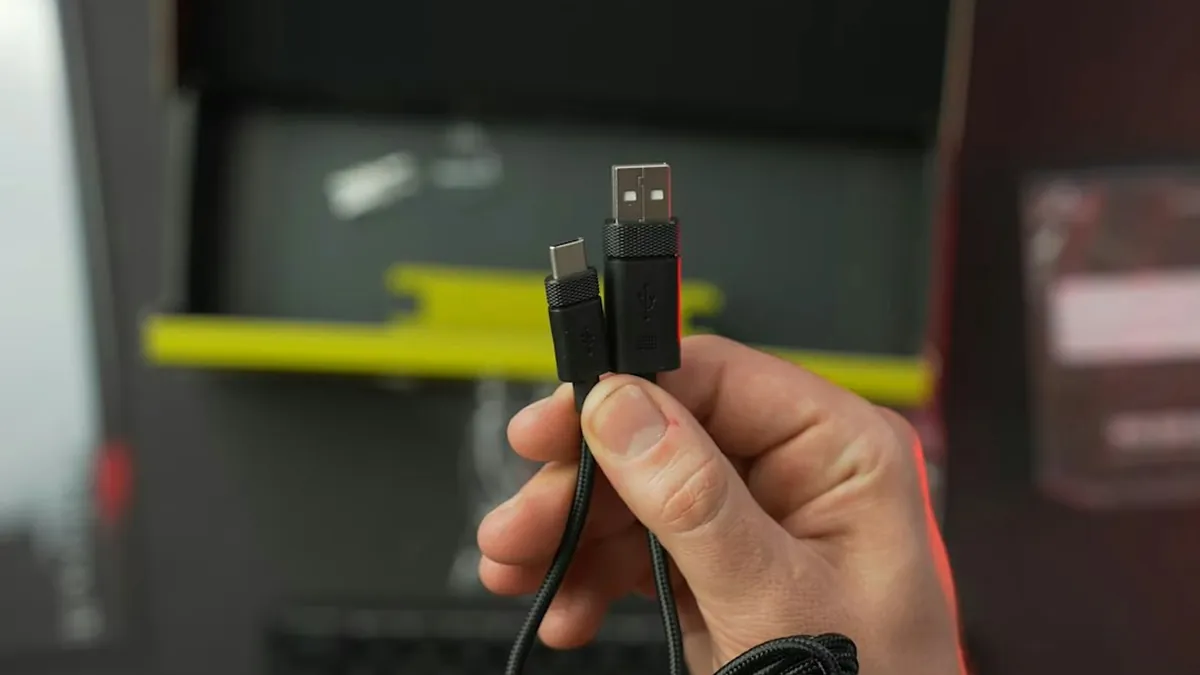
Always carry a personal power bank — it eliminates any need to use public USB ports entirely. If you must use a public outlet, plug in your own wall adapter with your own cable, bypassing any data-transfer risk completely.
Before your next trip, review your passport’s bio-data page and ensure no sensitive travel documents are stored unencrypted on your phone. A USB data blocker is also an inexpensive, effective layer of protection worth packing.