12 Crucial Items for Your Airplane Personal Item
As participants in Amazon Associates and other programs, we earn from qualifying purchases. This comes at no additional cost to you. For more details, see our Affiliate Disclosure.
Knowing what to pack in airplane personal item can make the difference between a miserable flight and a smooth, comfortable journey. These 12 essentials cover every need from entertainment to health.
1. Wireless Earbuds or Noise-Canceling Headphones for Uninterrupted Entertainment
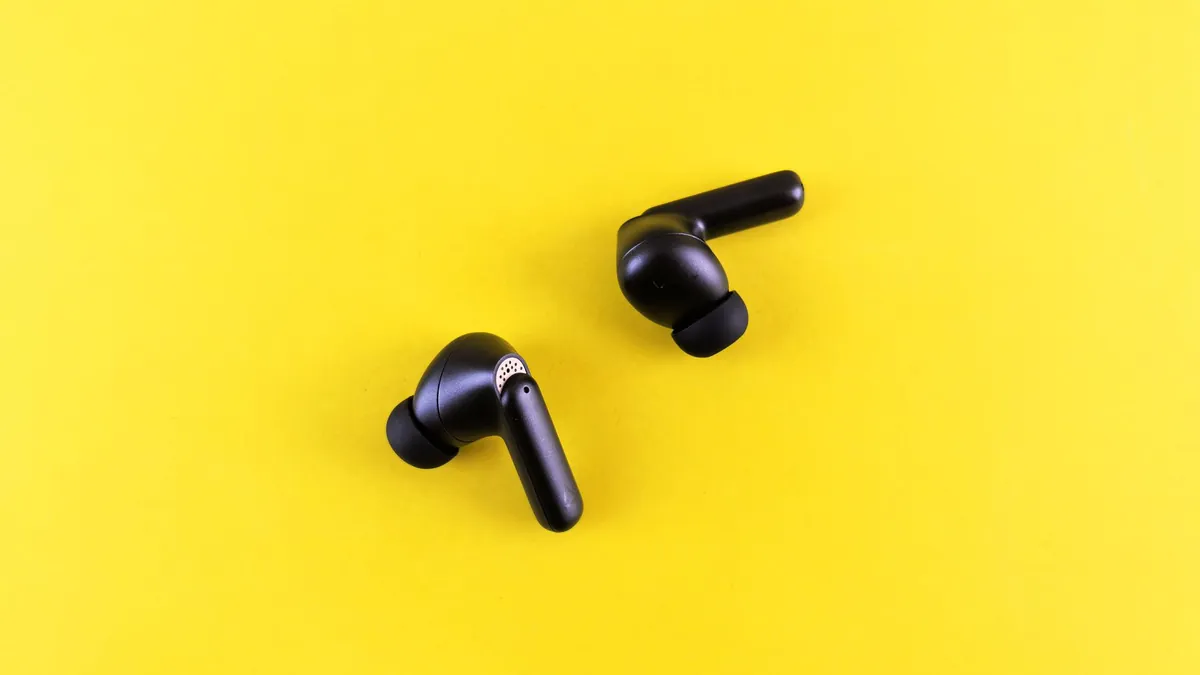
Cabin noise is relentless, and quality audio gear is your best defense. Check out the best in-flight music apps to pair with your headphones for a premium listening experience at altitude.
- Key Takeaway: Noise-canceling headphones reduce cabin noise by up to 90%, dramatically improving sleep and focus during long-haul flights.
2. Portable Power Bank to Keep Your Devices Charged Throughout Your Flight
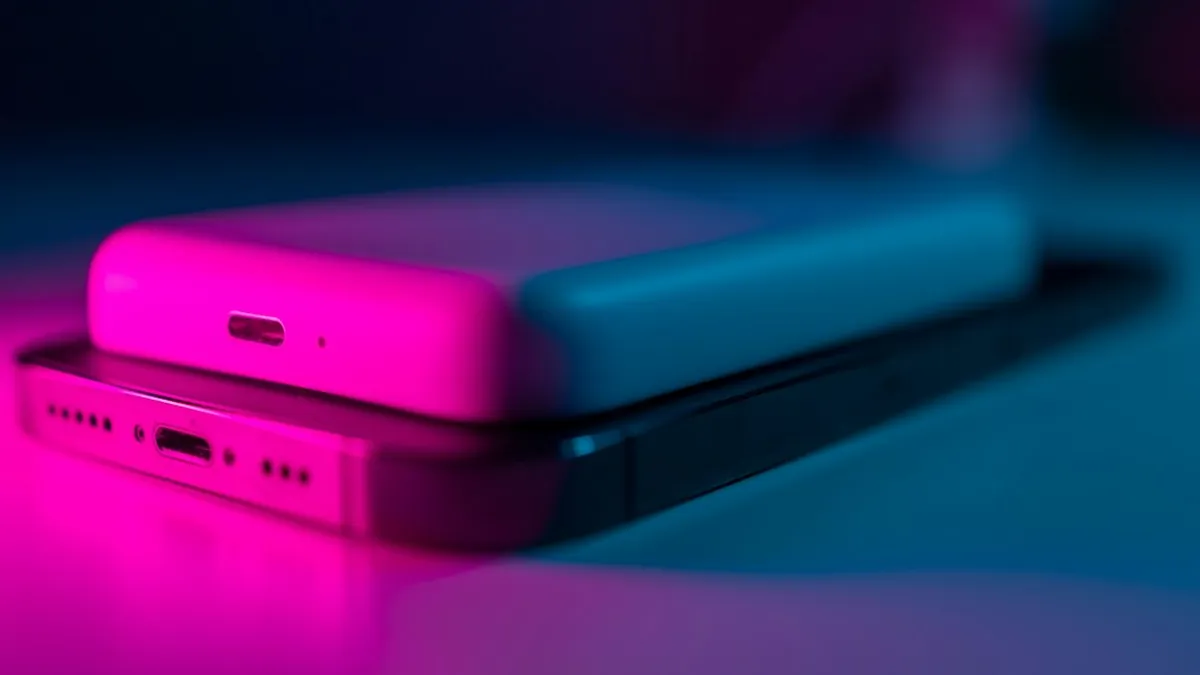
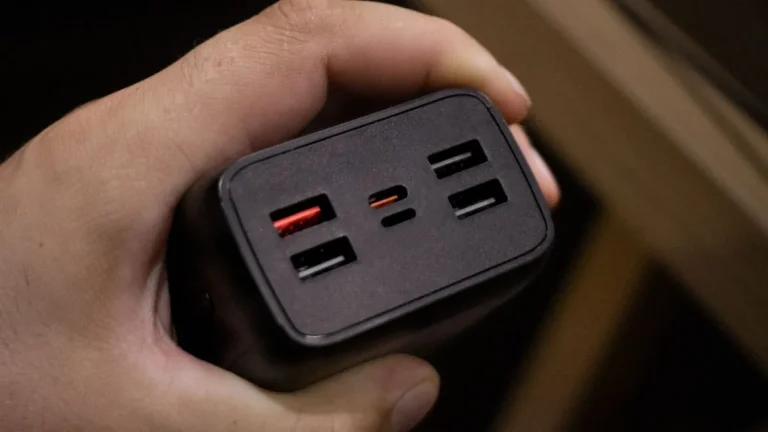
Dead devices mid-flight are a nightmare, especially on long international routes. A 20,000mAh power bank can fully charge a smartphone four to five times before needing a recharge itself.
- Key Takeaway: Power banks must be carried in your personal item or carry-on — never in checked luggage, per TSA regulations.
3. Premium Eye Mask and Neck Pillow for Comfortable Rest at Altitude
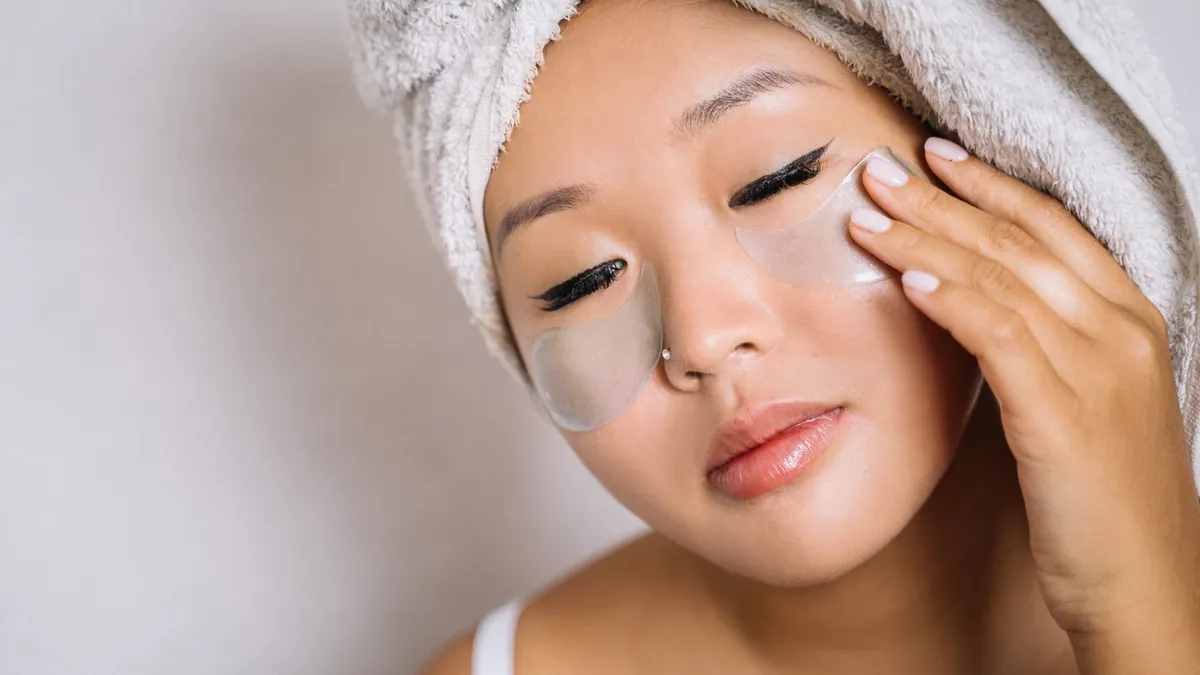
Sleep quality drops significantly in pressurized cabins without proper support. An ergonomic neck pillow combined with a contoured eye mask blocks light and stabilizes your head effectively.
- Key Takeaway: Memory foam neck pillows outperform inflatable versions in comfort and head support during turbulence.
4. Travel-Size Hand Sanitizer and Disinfectant Wipes for Hygiene Protection
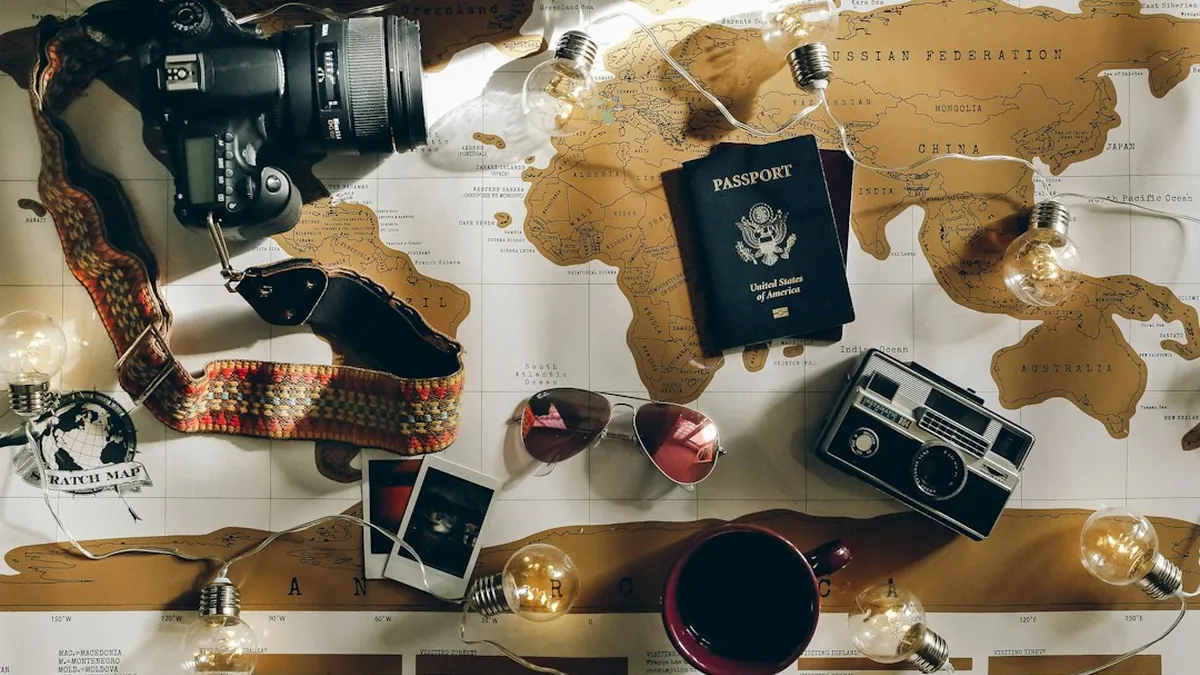
Airplane tray tables carry more bacteria than most bathroom surfaces. According to TSA guidelines, hand sanitizers up to 3.4oz are permitted in your personal item without issue.
- Key Takeaway: Wipe down your tray table, armrests, and seatbelt buckle immediately after boarding for maximum germ protection.
5. Lip Balm and Facial Moisturizer to Combat Cabin Air Dryness
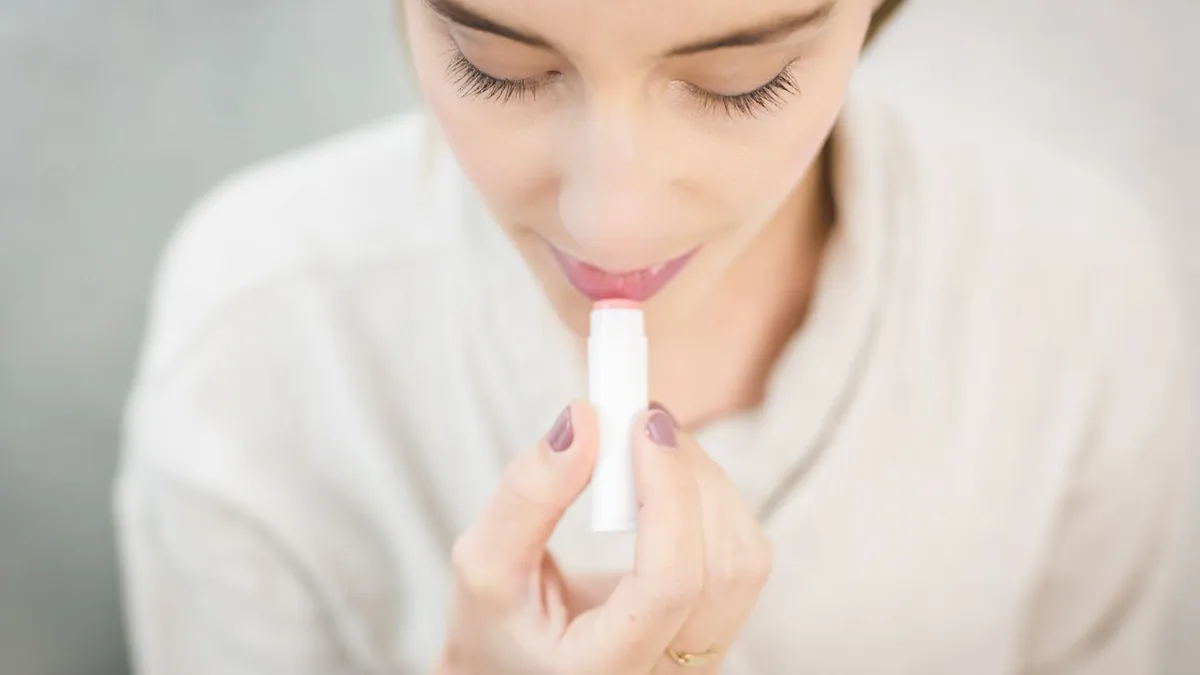
Cabin humidity levels hover around 10–20%, far drier than most deserts. Packing a quality lip balm and lightweight moisturizer prevents cracked lips and skin irritation throughout your flight.
- Key Takeaway: Apply moisturizer every two hours on flights exceeding four hours for consistent skin hydration.
6. Compression Socks to Improve Circulation and Reduce Swelling
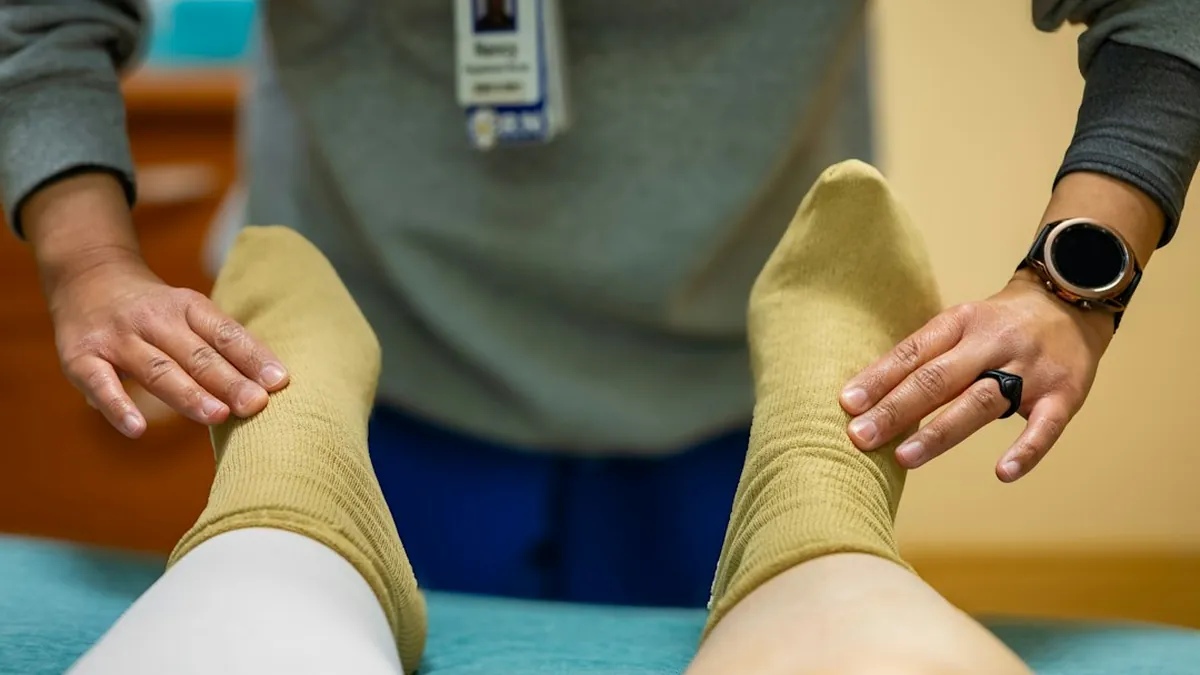
Prolonged sitting restricts blood flow and causes painful ankle swelling, especially on flights over six hours. Compression socks are among the top essential travel items recommended by frequent flyers and physicians alike.
- Key Takeaway: Graduated compression socks (15–20 mmHg) significantly reduce deep vein thrombosis risk on long-haul flights.
7. Electrolyte Packets or Hydration Tablets for Optimal Fluid Balance

Dehydration accelerates at altitude, and water alone often isn’t enough to maintain electrolyte balance. Dissolvable electrolyte packets are compact, TSA-compliant, and dramatically improve how you feel upon landing.
- Key Takeaway: Aim to drink at least 8oz of water per hour of flight time to counteract cabin dehydration effectively.
8. Downloaded Movies, Shows, or Audiobooks for Offline Entertainment

In-flight Wi-Fi is unreliable and expensive, making offline downloads essential. Learn how to maximize your in-flight screen time by pre-loading content before you ever reach the gate.
- Key Takeaway: Download content on Netflix, Spotify, and Audible at least 24 hours before departure to ensure full offline availability.
9. Tissues and Allergy Medication for Respiratory Comfort
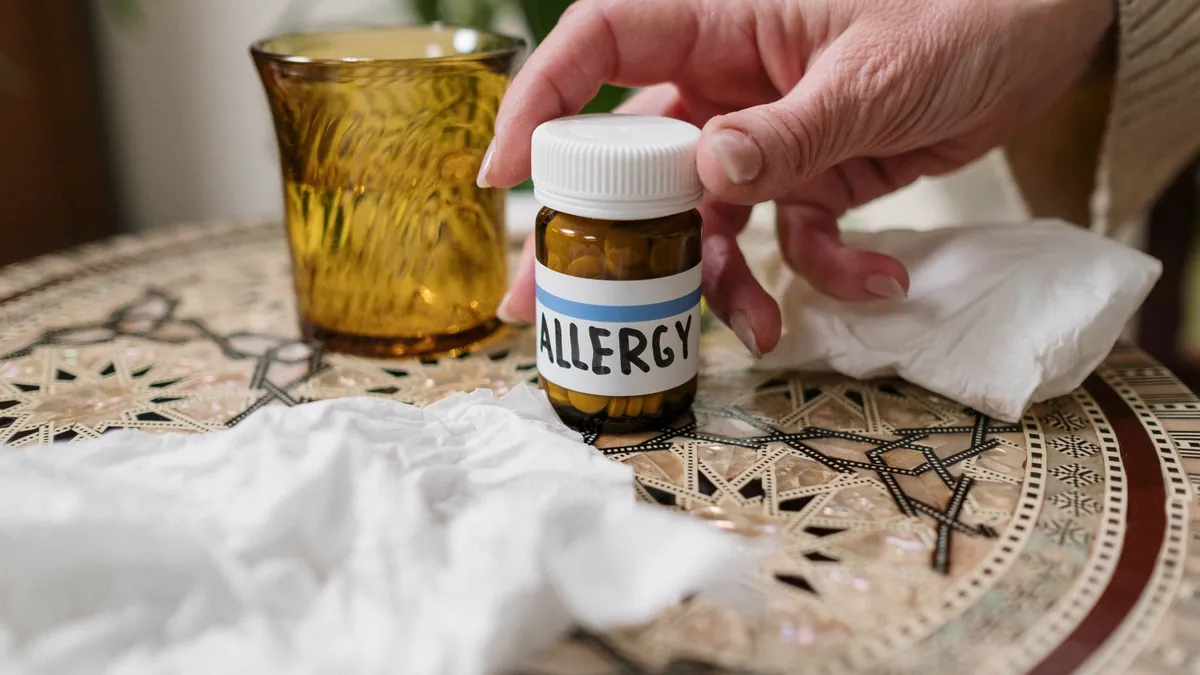
Recirculated cabin air triggers allergies and nasal dryness in many passengers. Ensuring medications are stored appropriately is essential for their effectiveness and safety — keep allergy pills in original packaging inside your personal item.
- Key Takeaway: Non-drowsy antihistamines like cetirizine are ideal for flights since they won’t leave you groggy upon arrival.
10. Healthy Travel Snacks Like Nuts, Protein Bars, or Dried Fruit

Airline snacks are often overpriced, high in sodium, and nutritionally poor. Packing nuts, protein bars, or dried fruit keeps your energy stable and hunger controlled without relying on limited onboard options.
- Key Takeaway: Avoid high-sodium snacks before and during flights, as salt accelerates dehydration in low-humidity cabin environments.
11. Phone Stand or Tablet Holder for Hands-Free Media Viewing
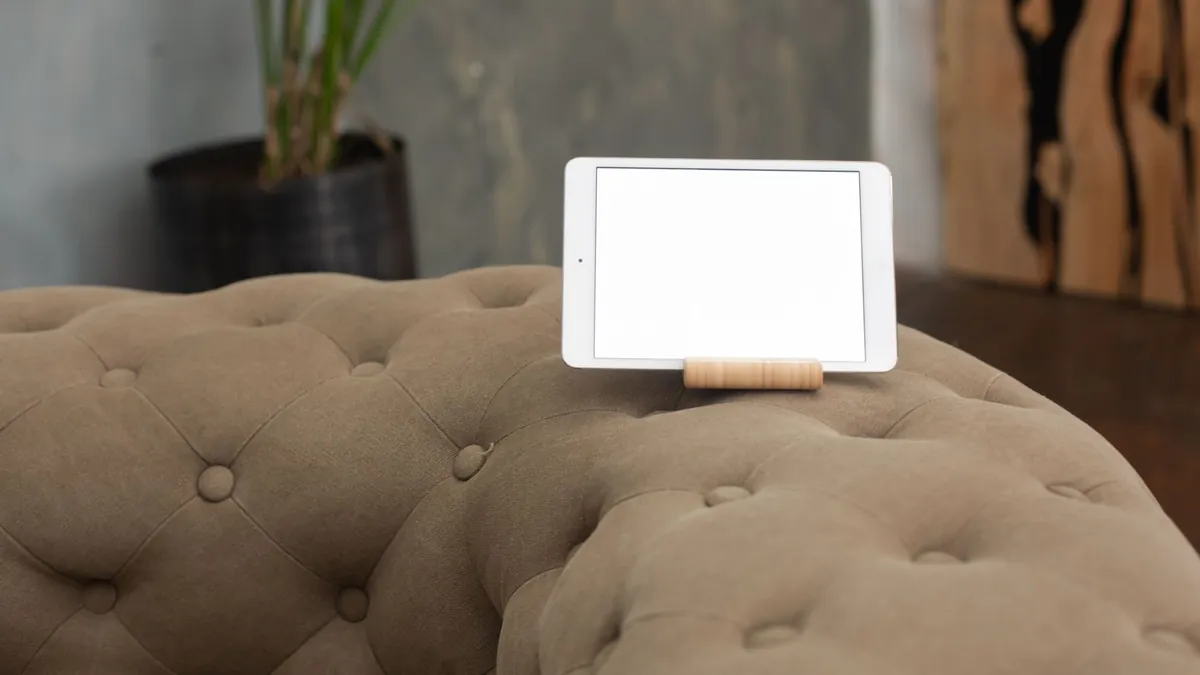
Holding your phone for hours causes arm fatigue and neck strain in cramped economy seats. A compact, foldable phone stand fits easily in any personal item and transforms your tray table into an entertainment station.
- Key Takeaway: Flexible gooseneck phone holders that clip onto seat-back pockets offer the most versatile hands-free viewing angle.
12. Disposable Slippers or Compression Socks for In-Flight Comfort
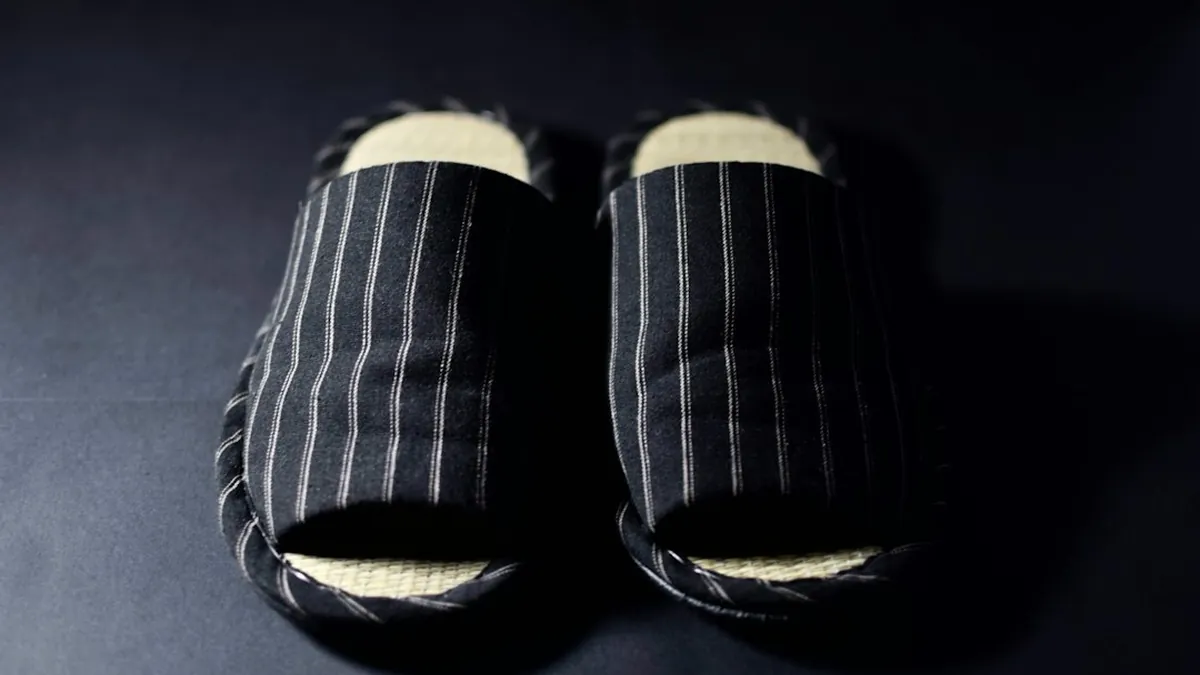
Removing shoes during a long flight relieves pressure but exposes your feet to unsanitary cabin floors. As noted in the international travel checklist from Travel Insured, keeping essentials like slippers in your carry-on is a smart hygiene move.
- Key Takeaway: Disposable non-slip slippers weigh under an ounce and take up minimal space while protecting your feet throughout the flight.