How Airlines Decide Passenger Upgrades When Overbooked
As participants in Amazon Associates and other programs, we earn from qualifying purchases. This comes at no additional cost to you. For more details, see our Affiliate Disclosure.
Getting bumped to a better seat feels like winning the travel lottery — a rare, almost mythical reward that frequent flyers quietly hope for every time they step up to the gate. Most passengers assume it’s random luck, a charming smile, or simply being in the right place at the right time that earns them that coveted upgrade.
The reality behind airline upgrade policy on overbooked flights is far more calculated — and far less romantic. Airlines operate sophisticated priority systems that most travelers never see, and understanding those systems can mean the difference between sitting in a middle seat or stretching out in business class.
Overbooking Is a Business Strategy, Not an Accident
Airlines deliberately sell more tickets than available seats, banking on a predictable percentage of no-shows to keep planes full and profitable. When that calculation fails and too many passengers show up, the airline must resolve the imbalance — and upgrades become 1 of the primary tools used to do it. According to EU Regulation 261/2004, minimum passenger rights are legally established when overbooking disrupts travel, particularly within European airspace.
Gate agents don’t flip coins to decide who moves up — they work from a ranked list generated by the airline’s reservation system. Elite frequent flyer status, fare class paid, check-in time, and same-day upgrade requests all feed into that algorithm simultaneously. Knowing how full your flight is before you arrive at the airport gives you a measurable strategic edge in anticipating whether an upgrade scenario is even likely.
Elite Status Dominates the Upgrade Queue — But It’s Not the Only Factor
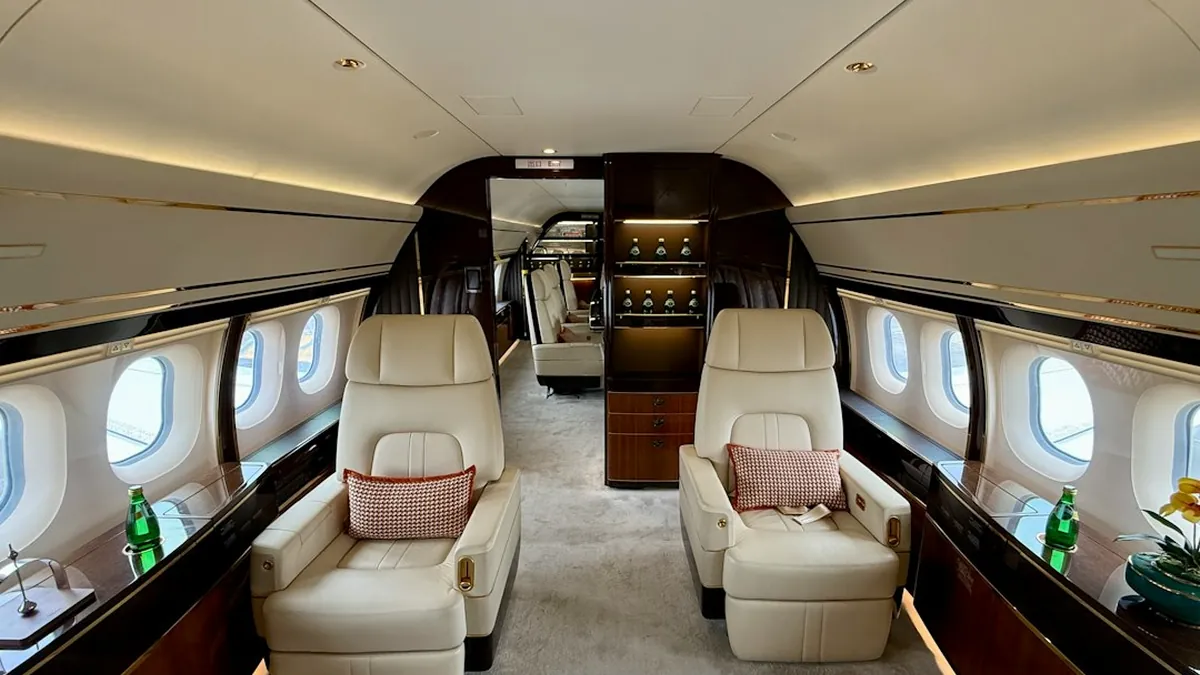
Loyalty program tier is the single most powerful variable in upgrade selection, with top-tier elite members sitting at the very top of the priority list. However, as Simple Flying reports, US carriers are aggressively limiting complimentary upgrades, with free moves typically only clearing after paid upgrades have been processed — and almost never on premium long-haul routes like Delta One or United Polaris.
Gate agent discretion still plays a real role, particularly on domestic routes and short international services where premium inventory is more flexible. Passengers who are polite, already checked in early, and traveling solo statistically fare better in discretionary upgrade decisions than groups or late arrivals. Avoiding budget airline fee traps by booking with full-service carriers also keeps you eligible for these loyalty-linked upgrade pathways in the first place.
When upgrades simply aren’t available, passengers on overbooked flights retain the right to compensation, rebooking, or travel vouchers depending on the carrier and jurisdiction. Understanding the full system — from algorithm to gate agent — transforms a frustrating situation into 1 you can navigate with confidence. Have you ever been upgraded on an overbooked flight, or been left behind in economy when you expected better? Share your experience in the comments below.