What Happens When You Leave Items in Airplane Seatback Pockets
As participants in Amazon Associates and other programs, we earn from qualifying purchases. This comes at no additional cost to you. For more details, see our Affiliate Disclosure.
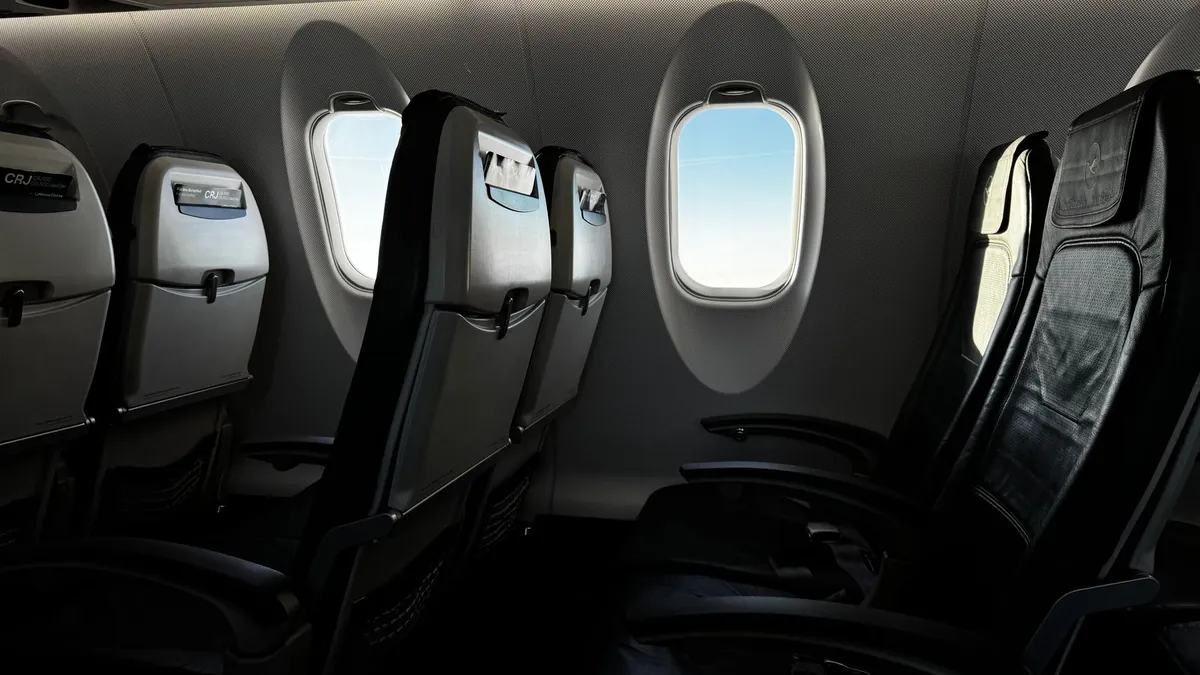
Every year, millions of travelers board flights with their hands full, their minds elsewhere, and their belongings stuffed into the nearest available pocket. The seatback pocket feels like a natural extension of your personal space — a temporary drawer for headphones, boarding passes, snacks, and novels. It’s so convenient, in fact, that it’s easy to forget those items exist at all once the wheels touch down.
Most passengers assume that anything left behind gets neatly collected, labeled, and held at a lost and found desk waiting for a simple phone call to retrieve it. The reality of what actually happens to items left in airplane seatback pockets is far less tidy — and far less forgiving — than that optimistic picture suggests.
Aircraft Turnarounds Move Fast and Lost Items Move Faster
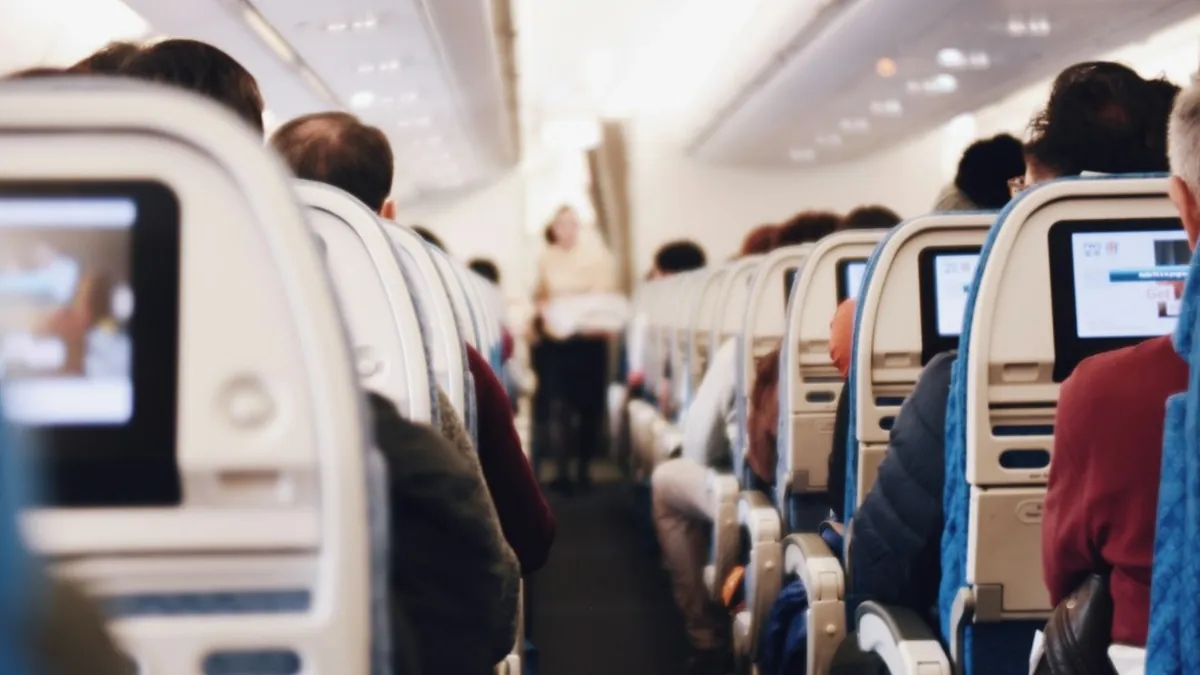
When a plane lands, ground crews typically have as little as 30 to 45 minutes to clean the entire cabin before the next boarding group walks on. Cleaning staff sweep through rows rapidly, and anything found in seatback pockets is collected, bagged, and handed off to airline staff — but the chain of custody from that point is inconsistent across carriers. Some airlines log items immediately into a centralized lost and found system, while others rely on individual airport stations to manage the intake process manually.
Airline liability for lost items is also far more limited than most travelers realize. According to Smiley Law, airlines are generally responsible for lost items up to approximately $2,800, though that figure applies primarily to checked baggage rather than cabin belongings left behind voluntarily. Items abandoned in seatback pockets typically fall outside standard liability protections entirely, leaving passengers with little legal recourse.
Unclaimed Items Have a Short Window Before They Disappear for Good
Most airlines hold unclaimed items for between 30 and 90 days before donating, auctioning, or discarding them — and high-value items like electronics or passports may be flagged separately, but everyday objects like books, chargers, and clothing rarely receive special treatment. If you realize mid-trip that you’ve left something behind, contacting the airline’s lost and found within 24 hours dramatically improves your chances of recovery. If you’re still planning your next journey, understanding hidden airline fee structures can help you budget for the unexpected costs that often accompany travel mishaps.
Beyond the logistical headache, there’s a genuine hygiene concern attached to seatback pockets that makes leaving personal items there doubly problematic. As Dr. Hupfeld noted in a report by USA Today, seatback pockets are “one of the places where people temporarily store used tissues and food wrappers,” making them a collection point for microorganisms from a wide variety of sources. His recommendation is straightforward: store personal items in your own bag rather than the seatback pocket to reduce both contamination risk and the chance of leaving something critical behind.
Understanding what happens to items left in airplane seatback pockets reframes a small travel habit into a meaningful risk management decision — one that affects both your belongings and your health. The seatback pocket is far less of a safe temporary home than it appears, and treating it that way before every flight could save you significant frustration. Have you ever lost something in a seatback pocket, and did the airline actually help you recover it? Share your experience in the comments.