11 Packing Hacks Frequent Flyers Use to Avoid Baggage Fees
As participants in Amazon Associates and other programs, we earn from qualifying purchases. This comes at no additional cost to you. For more details, see our Affiliate Disclosure.
Baggage fees cost U.S. travelers billions of dollars annually — and most of it is completely avoidable. These 11 packing hacks to avoid baggage fees are used by frequent flyers who refuse to pay extra at the gate.
1. Master the Art of Rolling Clothes Instead of Folding to Maximize Carry-On Space
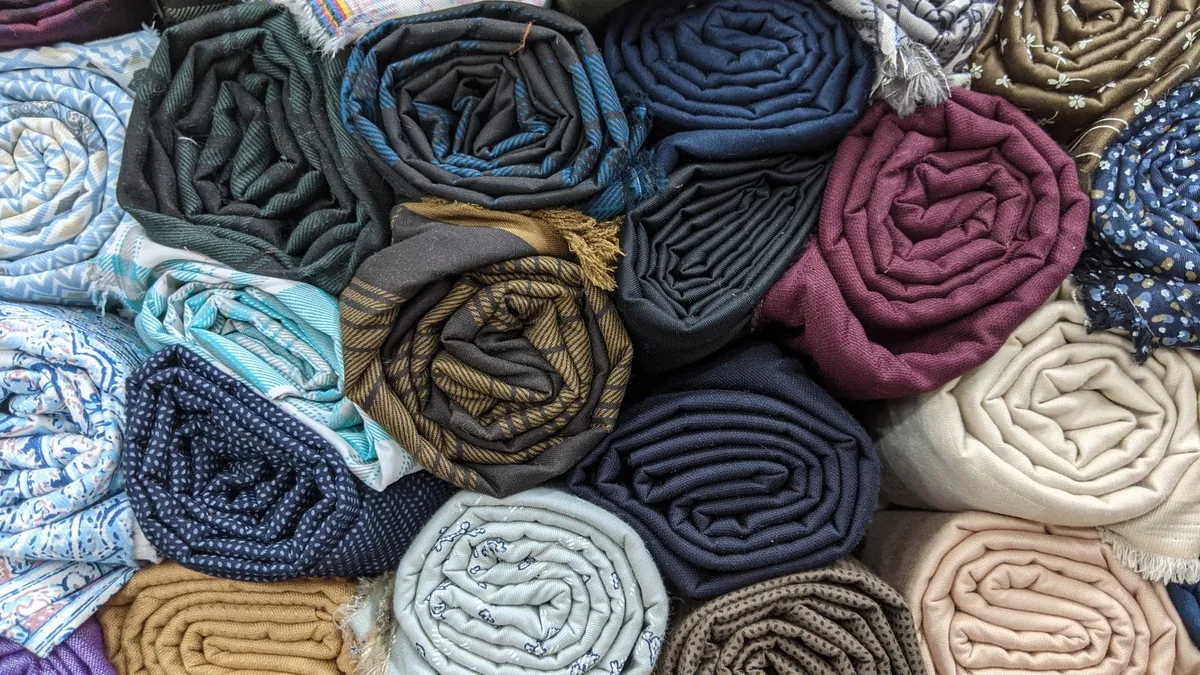
Rolling garments tightly reduces wrinkles and reclaims significant dead space inside your bag. This single technique can free up enough room to eliminate a checked bag entirely on trips up to seven days.
- Key Takeaway: Rolling consistently outperforms folding for volume efficiency in standard carry-on bags.
2. Invest in High-Quality Compression Bags and Packing Cubes for Strategic Organization

Compression bags squeeze air out of bulky items like sweaters and jackets, dramatically shrinking their footprint. Packing cubes segment your bag so every cubic inch is deliberately used rather than wasted.
- Key Takeaway: Compression bags can reduce clothing volume by up to 60% compared to loose packing.
3. Wear Your Heaviest Items Aboard the Aircraft to Reduce Checked Bag Weight
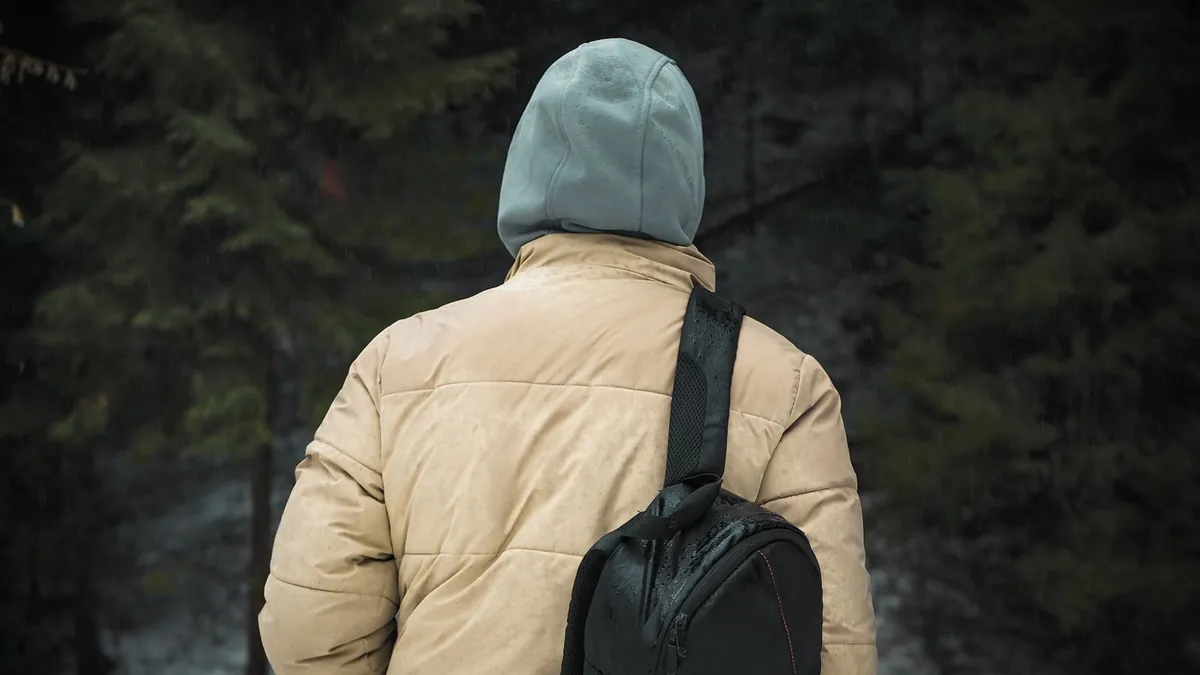
Board the plane wearing your heaviest boots, jeans, and layered tops to keep those pounds off the scale. This tactic is especially effective on weight-restricted budget carriers where every ounce triggers fees.
- Key Takeaway: Wearing heavy items can shave 5–8 lbs off your bag weight instantly.
4. Choose an Expandable Carry-On Bag That Meets Airline Dimension Requirements
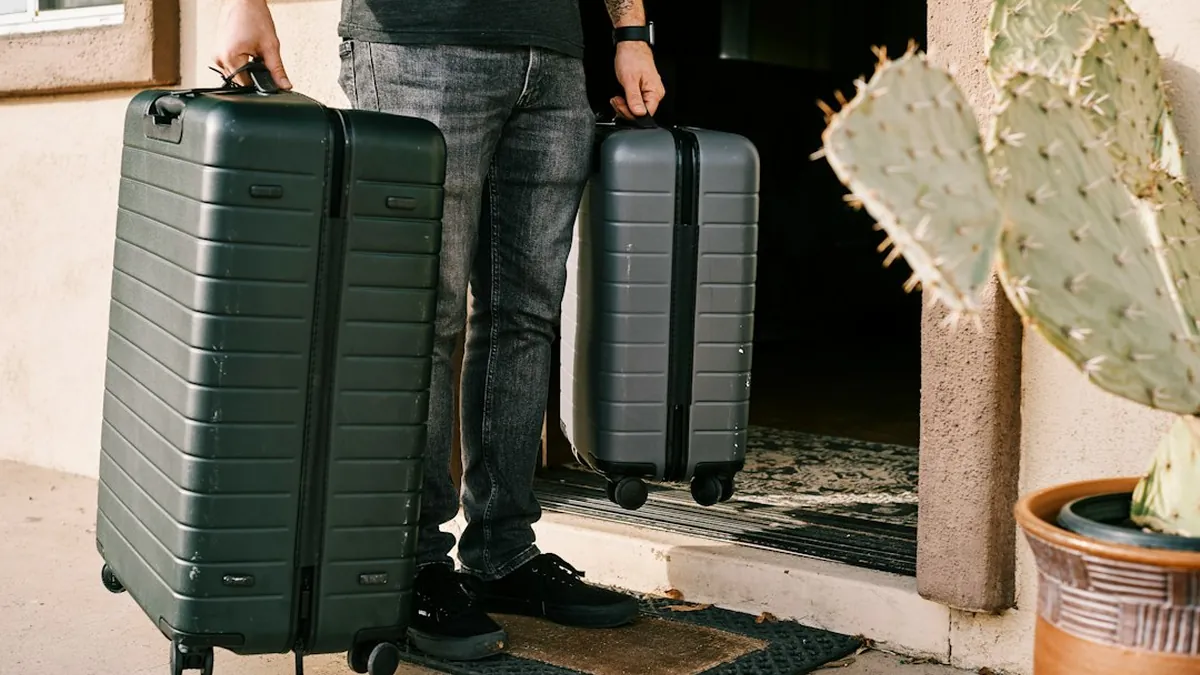
An expandable carry-on gives you flexibility without exceeding gate-check thresholds when compressed to standard dimensions. Always verify your airline’s exact size policy before purchasing — limits vary significantly by carrier.
- Key Takeaway: Most U.S. carriers allow carry-ons up to 22 x 14 x 9 inches, including handles.
5. Utilize Shoe Interiors and Dead Space for Socks, Belts, and Small Accessories
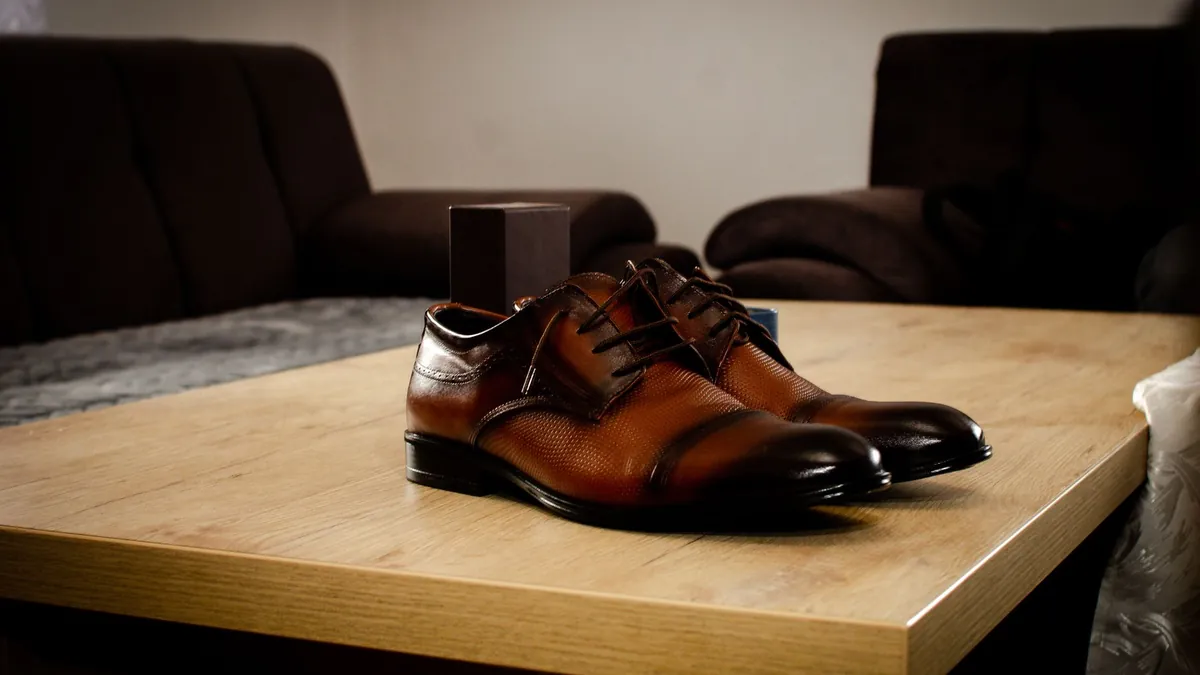
Stuffing socks, rolled belts, and chargers inside your shoes reclaims hollow space that would otherwise go unused. It also helps shoes maintain their shape during transit.
- Key Takeaway: Two shoes can store enough small items to free up a full packing cube of space.
6. Carry Your Bulkiest Outerwear Over Your Arm Rather Than Packing It Inside

Most airlines do not count a jacket draped over your arm as a separate bag at the gate. This loophole lets you transport a heavy coat without consuming any carry-on space whatsoever.
- Key Takeaway: Gate agents rarely flag outerwear carried loosely as a policy violation.
7. Build a Capsule Wardrobe Strategy Using Only Essential, Versatile Pieces

A capsule wardrobe limits you to neutral, mix-and-match pieces that create multiple outfits from fewer garments. For deeper expert packing strategies, seasoned bloggers consistently recommend the 5-4-3-2-1 packing rule.
- Key Takeaway: Ten versatile pieces can generate 20+ outfit combinations for a two-week trip.
8. Wear Chunky Jewelry and Accessories on Your Body Instead of Packing Them

Bulky necklaces, scarves, and watches worn through the airport add zero weight to your luggage. Stack bracelets and layer necklaces to transport multiple accessories simultaneously without packing a single one.
- Key Takeaway: Accessories worn on your body are never weighed or measured at check-in.
9. Deploy Foldable Tote Bags as Secondary Personal Items for Extra Capacity
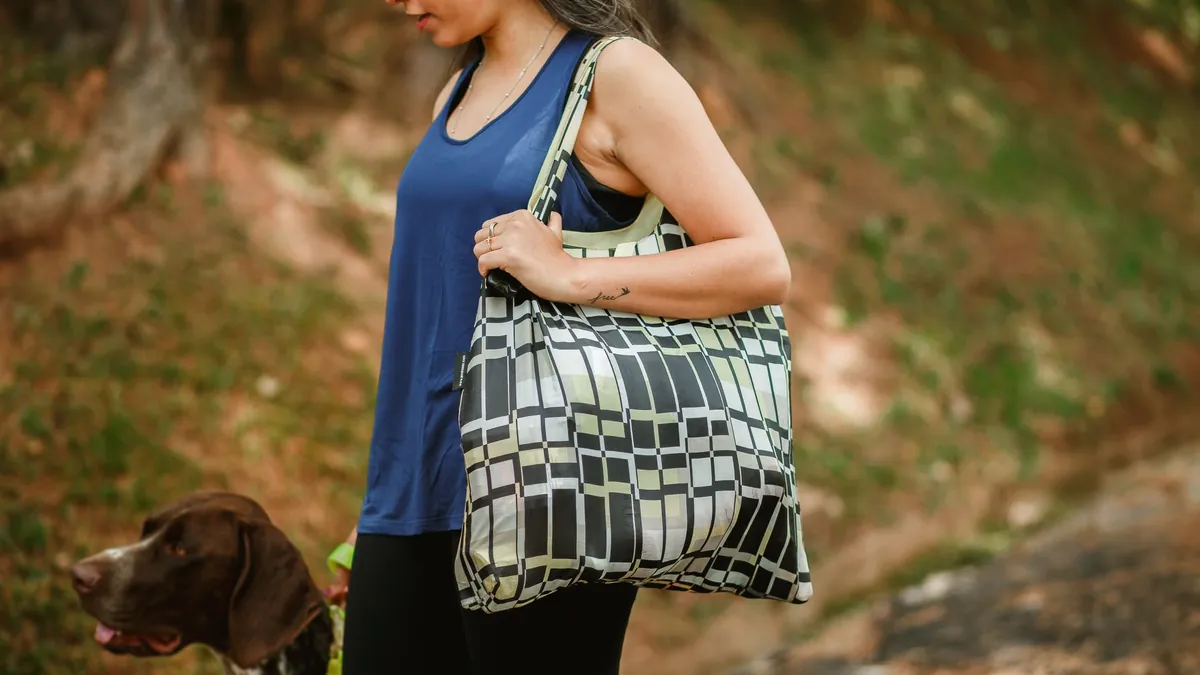
A lightweight, foldable tote qualifies as a personal item on most airlines and fits under the seat in front of you. Pack it with items you need during the flight and it effectively doubles your carry-on capacity for free.
- Key Takeaway: Personal items are separate from carry-on allowances on virtually every major airline.
10. Prepay Baggage Fees Online 24 Hours in Advance to Secure Discounted Rates
When a checked bag is unavoidable, prepaying online almost always costs less than paying at the airport counter or gate. Check your airline’s website after booking — savings of $5–$15 per bag are common. For a full breakdown of travel costs, the ultimate travel resources guide covers budgeting essentials.
- Key Takeaway: Online prepayment is the single easiest way to reduce unavoidable baggage costs.
11. Understand Your Airline’s Specific Carry-On Dimensions and Weight Limits Before Packing
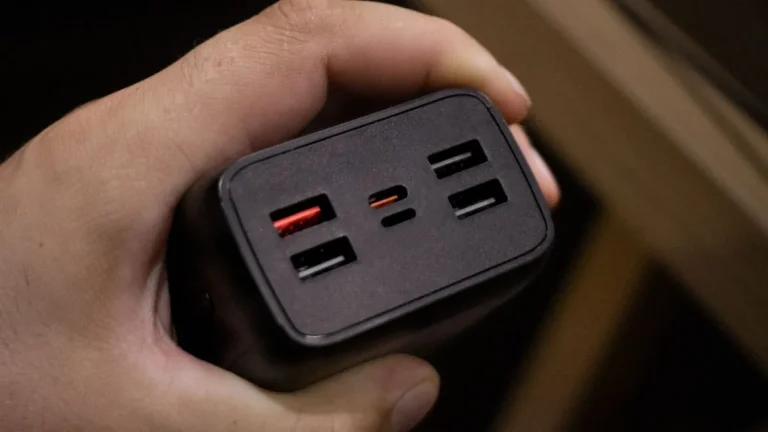
TSA rules allow a quart-sized bag of liquids, aerosols, gels, creams, and pastes in carry-ons, limited to 3.4-ounce (100ml) containers — confirmed by the TSA liquids rule. Also note that damaged or recalled lithium batteries must be removed before boarding per FAA hazmat guidelines, as the FAA operates under the U.S. Department of Transportation.
- Key Takeaway: Knowing exact rules before you pack prevents costly surprises at the security checkpoint and gate.