8 Common Mistakes on European Overnight Sleeper Trains
As participants in Amazon Associates and other programs, we earn from qualifying purchases. This comes at no additional cost to you. For more details, see our Affiliate Disclosure.
European overnight sleeper trains have staged a remarkable comeback, with routes like the Nightjet network and Eurostar’s overnight services selling out weeks in advance as travelers ditch short-haul flights for a more romantic, carbon-conscious way to cross the continent. The fantasy is real — waking up in Vienna or Barcelona without a single hotel night lost is genuinely transformative travel.
But the gap between the dream and the reality is wider than most first-timers expect, and the most common European overnight sleeper trains mistakes aren’t dramatic disasters — they’re quiet, avoidable missteps that quietly wreck your sleep and your schedule. Understanding what seasoned rail travelers do differently is the difference between arriving refreshed and arriving wrecked.
1. Neglecting to Pack Essential Sleep Comfort Items Like Pillows and Earplugs

Most sleeper trains provide a thin pillow and a basic blanket, but the pillow quality is rarely sufficient for a genuinely restorative 8-hour sleep. Earplugs and a quality eye mask are non-negotiable given the ambient noise from station stops, corridor movement, and fellow passengers. Packing a compact inflatable neck pillow costs almost nothing and changes everything.
- Key Reality: Budget roughly 15 to 25 dollars on a sleep kit — it’s cheaper than a hotel room and protects your entire itinerary.
2. Booking Lower Berths Without Understanding Motion and Vibration Exposure

Lower berths feel safer and more accessible, but they absorb significantly more vibration transmitted directly from the track, making sleep noticeably rougher on older rail infrastructure. Middle and upper berths sit higher from the wheel-noise source and often feel smoother, especially on routes through mountainous terrain. Experienced sleeper travelers almost universally prefer the upper berth for this exact reason.
- Key Reality: Upper berths on Nightjet routes typically cost the same price — the advantage is purely positional knowledge.
3. Failing to Secure Valuables and Leaving Compartment Doors Unlocked During Sleep
Shared couchette compartments are generally safe, but leaving a door unlatched while sleeping through 3 a.m. border stops is an unnecessary risk no seasoned traveler takes. Most compartments feature an interior latch or hook lock — use it, and keep passports and cards in a flat travel wallet worn under clothing. This single habit eliminates the most common theft scenario on overnight European rail.
- Key Reality: Petty theft peaks during scheduled station stops between midnight and 4 a.m., when passengers are deepest in sleep.
4. Arriving at the Station Without Proper Passport and Border Documentation Ready
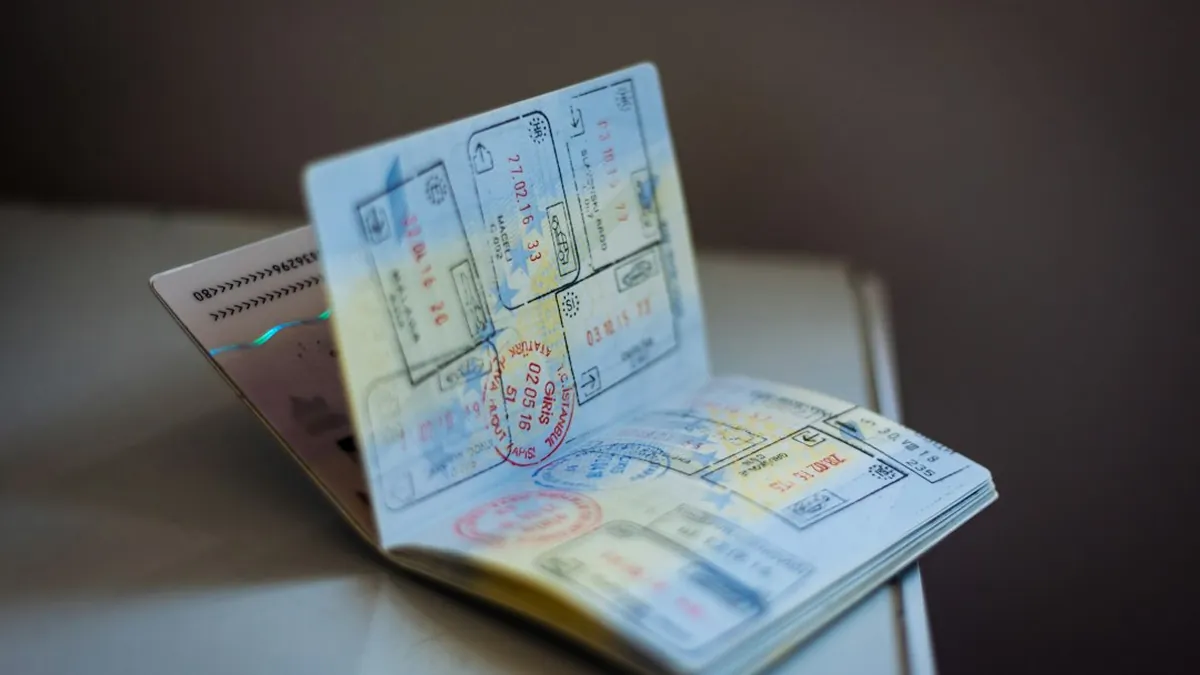
Cross-border sleeper routes — particularly those entering Switzerland, the UK, or non-Schengen nations — involve passport checks conducted while the train is moving, sometimes at 2 a.m. Fumbling through luggage half-asleep is both stressful and slow, and border agents aren’t known for their patience at that hour. Keep your passport in a consistent, instantly accessible pocket every single night you travel.
- Key Reality: Missing or expired travel documents — a risk outlined in detail around passport validity rules — can result in removal from the train at a foreign station.
5. Choosing Budget Couchettes Over Private Sleepers Without Assessing Personal Sleep Needs

A couchette saves 40 to 80 euros over a private sleeper cabin, but that saving evaporates fast if you arrive at your destination too exhausted to function on day 1 of your trip. According to The Trainline, some deluxe sleeper cabins include private bathrooms with toilets and showers, delivering genuine hotel-like privacy at 80 mph across moonlit Europe. Light sleepers, solo female travelers, and anyone on a tight itinerary should seriously run the math before defaulting to the cheapest berth.
- Key Reality: Private sleeper cabins on Nightjet routes start from approximately 100 to 180 euros per person depending on route and season.
6. Ignoring Train Attendant Services and Amenities Included in Your Ticket Category
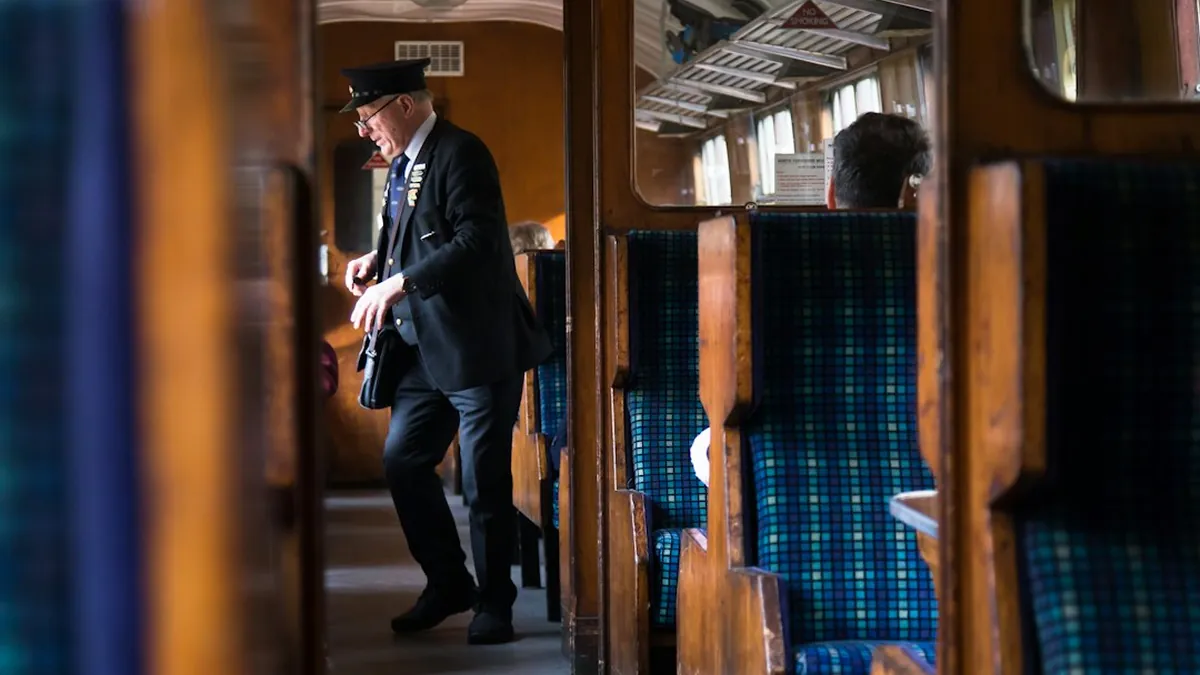
Many sleeper passengers never realize their ticket includes a breakfast service, wake-up call, or complimentary welcome drink — because they never asked the attendant. Train attendants on quality overnight routes are genuinely hospitality-focused and can also assist with onboard accessibility needs, as accessible travel accommodations are a standard provision across European rail networks. Treating your attendant like a hotel concierge rather than a conductor unlocks the full value of your ticket.
- Key Reality: Breakfast inclusions alone can be worth 12 to 20 euros per person — often overlooked entirely by first-time sleeper passengers.
7. Miscalculating Connection Times and Missing Tight Transfer Windows Between Routes
Overnight trains frequently arrive slightly delayed, and European rail hubs like Munich, Zurich, and Brussels operate on tight morning schedules where a 15-minute delay cascades into a missed connection. Booking connections with less than 45 minutes of buffer on a separate ticket is a gamble that experienced rail travelers simply don’t take. If you’re planning a multi-country rail journey — perhaps through the fairytale towns of Germany and Austria — always build generous transfer windows into your itinerary.
- Key Reality: A missed connection on a separate ticket means you bear the full rebooking cost — often 60 to 150 euros on popular routes.
8. Overpacking Luggage Without Considering Limited Storage Space in Sleeping Compartments
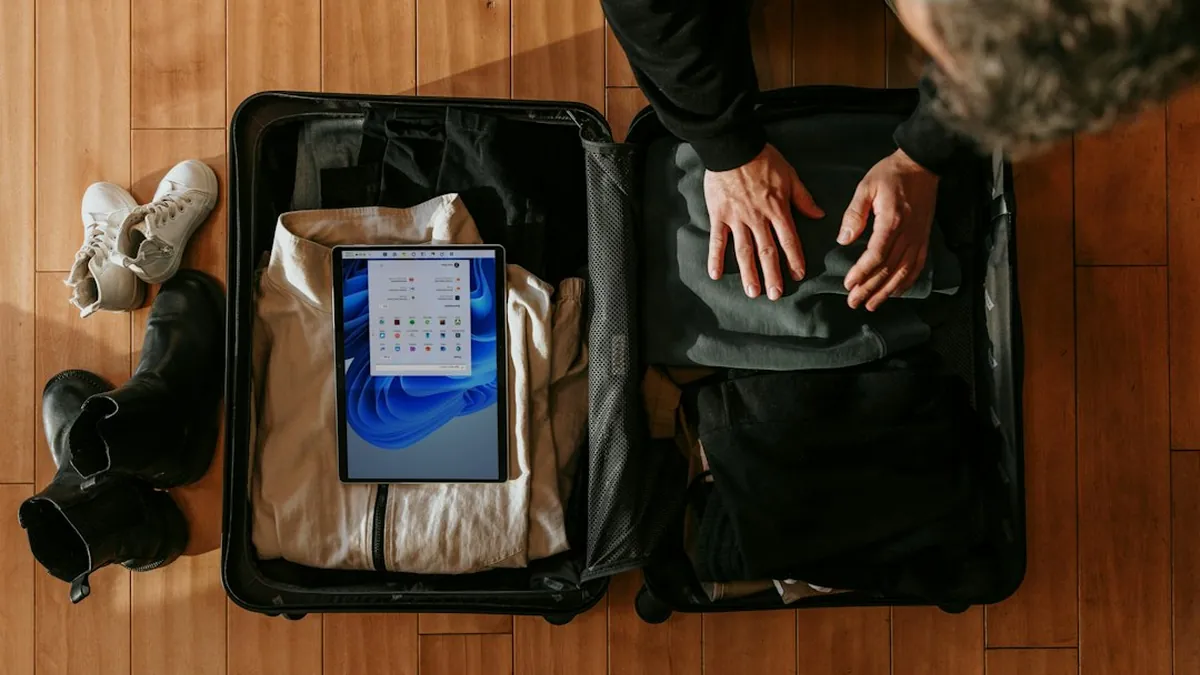
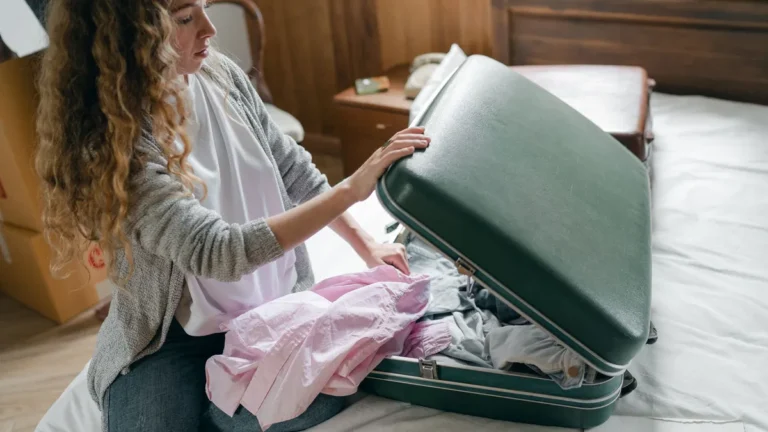
Sleeper compartments are engineered for sleeping, not for storing 28-inch hard-shell suitcases — the overhead racks and under-berth storage are genuinely compact. A standard 6-berth couchette shared among strangers with bulky luggage becomes a claustrophobic obstacle course by midnight. Packing a soft-sided bag under 20 liters for overnight access and checking larger bags into luggage storage at your destination city is the move seasoned rail travelers make without hesitation.
- Key Reality: Most European sleeper trains have no formal luggage limit, but physical compartment dimensions make anything over 23 inches genuinely problematic.
Avoiding these European overnight sleeper trains mistakes isn’t about being an expert — it’s about respecting the unique environment of rail travel, which rewards preparation far more than airports or highways ever do. The sleeper train experience is genuinely one of travel’s great pleasures when you arrive knowing what you’re stepping into, so drop your own tips or hard-learned lessons in the comments below.