How to Tell if a Hotel Balcony Door Lock Has Been Tampered With
As participants in Amazon Associates and other programs, we earn from qualifying purchases. This comes at no additional cost to you. For more details, see our Affiliate Disclosure.
Hotel rooms are sold on the promise of comfort, privacy, and safety — and most travelers accept that promise without question. Checking in, dropping luggage, and stepping onto a balcony to admire a view feels like a ritual of relaxation, not a moment that demands scrutiny. Yet that balcony door separating your room from an exterior ledge is 1 of the most frequently overlooked security vulnerabilities in the entire hotel industry.
The uncomfortable reality is that a hotel balcony door lock tampered by a previous occupant, opportunistic intruder, or even a negligent maintenance crew can appear completely normal at a glance. Balcony-level intrusions are a documented concern in tourist-heavy destinations, with TripAdvisor community threads detailing balcony theft incidents on 2nd and 3rd floor rooms where guests assumed height alone provided protection. Knowing what to look for the moment you enter your room could be the difference between a safe stay and a serious incident.
Visual Indicators of Lock Damage Reveal What the Eye Easily Dismisses
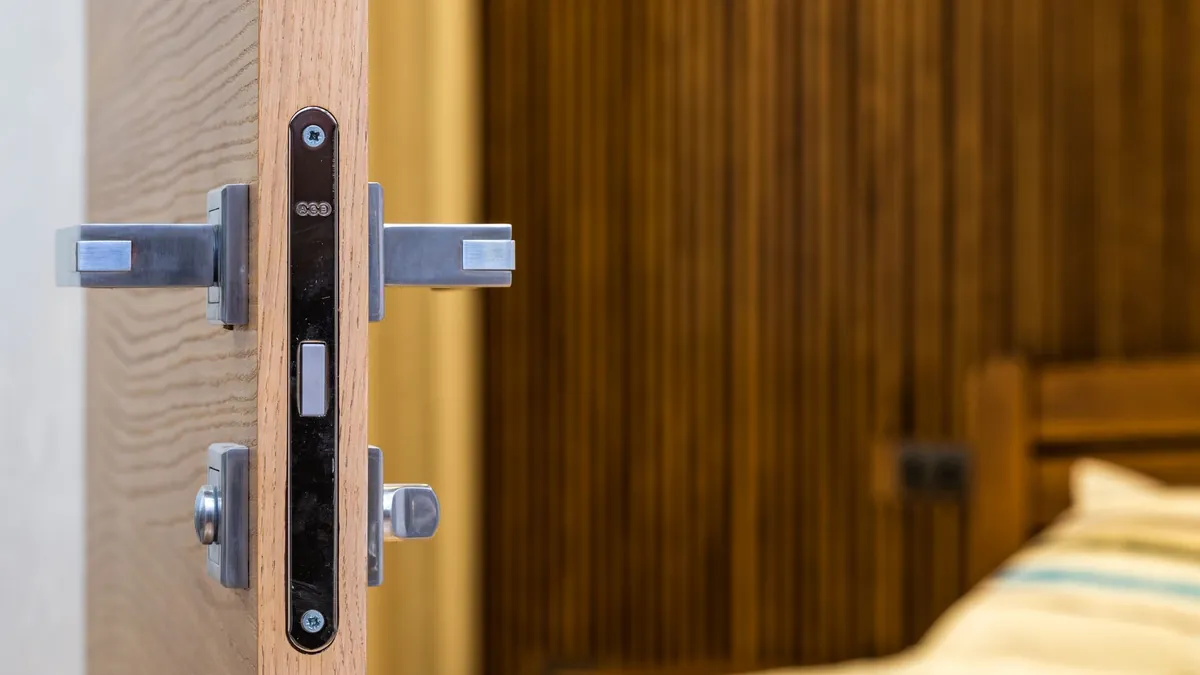
The first inspection should be purely visual, conducted before you touch the lock at all. Look for scratch marks, chipped paint, or metal shavings around the locking mechanism, the door frame, and the strike plate — these are classic signs of forced or repeated unauthorized manipulation. A thumb turn lock that sits at an unusual angle, or a sliding bolt that doesn’t sit flush within its bracket, signals that the hardware has been stressed beyond normal use.
According to Tactical Playground’s security guidance, a sliding bolt lock is among the most effective mechanisms for balcony doors precisely because its bolt slides into a fixed bracket — meaning any forced displacement leaves a visible gap or deformation in that bracket. If the bracket appears bent, loosened, or re-mounted with mismatched screws, treat it as a red flag requiring immediate attention from hotel management.
Testing Resistance and Frame Alignment Exposes Hidden Compromise
After the visual pass, physically test the lock by engaging and disengaging it several times while applying lateral pressure to the door. A compromised lock will feel loose, skip its catch point, or fail to create firm resistance against outward push — behaviors that a functioning mechanism should never exhibit. Also check the door’s alignment within its frame: a door that sits unevenly or drags along the track may indicate the frame itself has been forced and imperfectly reset.
Savvy travelers who already know to spot misleading hotel reviews understand that a property’s curated image rarely reflects its actual maintenance standards. Luxury properties face stricter premises liability expectations, with courts weighing advertising claims and premium pricing when determining negligence — meaning a high-end hotel has even less legal cover when a compromised balcony lock leads to guest harm, according to Scranton Law Firm’s premises liability analysis.
If tampering is confirmed or strongly suspected, document everything immediately — photograph the lock, frame, and any visible damage before reporting to the front desk and requesting a room change. Smart travelers also carry a portable door security bar or door alarm as a backup layer, since hotel hardware alone cannot always be trusted. Balcony security is a non-negotiable part of travel safety, and your awareness is the most powerful tool you have — share your own hotel security experiences in the comments below.