Why Hotel Wi-Fi Throttles Your Speed (Unless You Pay)

As participants in Amazon Associates and other programs, we earn from qualifying purchases. This comes at no additional cost to you. For more details, see our Affiliate Disclosure.
There are few travel frustrations more universally relatable than settling into a hotel room, opening your laptop, and watching a video buffer into oblivion at 11pm. Most guests assume the problem is a weak signal, a crowded network, or simply bad luck — and they move on, frustrated but resigned. What very few travelers realize is that the slowdown is often entirely intentional.
Hotels have quietly built throttling systems into their networks for years, and the mechanics behind them are far more sophisticated than most guests would ever suspect. Just like understanding the hotel room upgrade pitfalls that seem like perks but aren’t, knowing how your Wi-Fi is being managed can save you real time and real money on the road.
Hotel Networks Are Engineered to Limit You by Design
Hotel Wi-Fi throttling is the deliberate restriction of a guest’s internet bandwidth, typically enforced through a technology called Quality of Service, or QoS. According to Palo Alto Networks, QoS uses traffic shaping and scheduling algorithms to allocate bandwidth across specific traffic flows, prioritizing certain users or service tiers over others. In plain terms, the hotel’s network is actively deciding how much speed you deserve — and that decision is often tied directly to how much you paid.
Without QoS rules in place, network data becomes disorganized and congests the entire system, degrading the experience for every guest simultaneously. Hotels use these controls to prevent any single user from consuming too much bandwidth during peak hours, which sounds reasonable until you realize the same system is used to enforce paid upgrade tiers. Guests on the complimentary plan are frequently capped at speeds that make streaming or video calls nearly impossible.
Aging Infrastructure and VPNs Make a Throttled Connection Even Worse
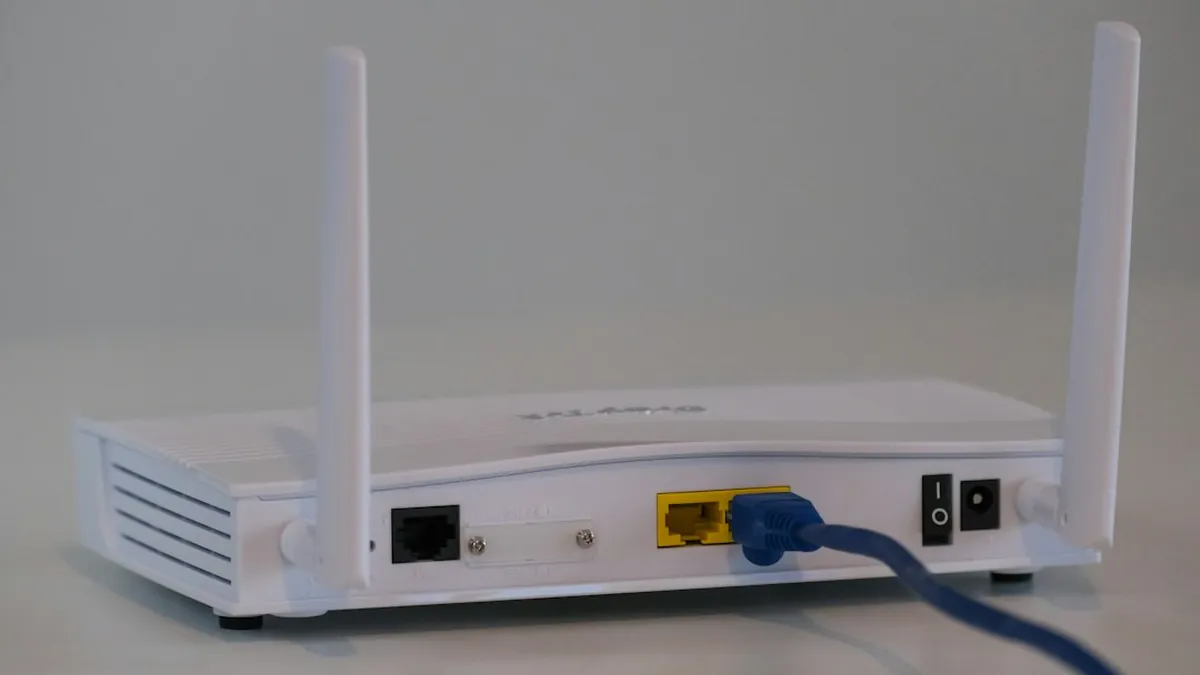
Many hotel properties, particularly independent and mid-range brands, are still running Wi-Fi infrastructure built on older standards that simply cannot handle the data demands of modern travelers. When dozens of guests in a single corridor are simultaneously streaming, video conferencing, and uploading content, even a well-managed network buckles under the load. This legacy hardware problem compounds the throttling issue, making it nearly impossible to distinguish a policy cap from a genuine infrastructure failure.
A common traveler workaround — using a VPN to bypass throttling — comes with its own speed penalty that many people don’t anticipate. As Cloudflare explains, the most secure VPN encryption protocols are also the most latency-heavy, meaning the added security layer can slow your connection further rather than restore it. The smartest move is to request the hotel’s network specifications before check-in, negotiate a premium tier as part of your booking rate, or tether to a mobile data plan during bandwidth-critical tasks — much like how smart travelers avoid hidden costs by researching tourist zone ATM fees before they arrive.
Hotel Wi-Fi throttling is a deliberate, structured business decision dressed up as a technical inconvenience, and travelers who understand that distinction are far better equipped to push back or plan around it. Knowledge is the only real leverage guests have in a system specifically designed to extract more spending from them. If you’ve dealt with throttled hotel Wi-Fi or found a workaround that actually works, share your experience in the comments below.