ATM Surcharge Fees in Tourist Zones: How to Avoid Them
As participants in Amazon Associates and other programs, we earn from qualifying purchases. This comes at no additional cost to you. For more details, see our Affiliate Disclosure.
There’s a particular kind of sting that hits when you’re standing at a sun-drenched ATM in Sydney or Fiji, finally on vacation, and a screen politely informs you of a fee you never budgeted for. Most travelers assume that a globally recognized bank card is all the armor they need against unnecessary charges abroad. That assumption costs real money, every single trip.
The uncomfortable truth is that ATM surcharge fees during international travel operate through 3 distinct layers simultaneously — your home bank’s foreign transaction fee, the local ATM operator’s surcharge, and a currency conversion markup that can quietly add 3%–8% on top of everything else. Understanding just 1 of those layers while ignoring the other 2 is precisely how tourists leave hundreds of dollars on the table each year. Just as resort hidden charges catch vacationers off guard, ATM fees thrive in the same blind spot.
The 3-Layer Fee Structure Draining Your Travel Budget at Every Withdrawal
According to the ATM Fee Saver Travel Index 2026, the regional picture is strikingly uneven — Australia charges between 0.15% and 1.88% of the ATM’s maximum transaction limit across every major bank, with virtually no fee-free options available despite being one of the world’s top travel destinations. Fiji presents 2 entirely different realities at different machines: 1 operator charges $4.58 per withdrawal, while another charges nothing at all. The geography of fees is far less predictable than most travelers expect.
Dynamic Currency Conversion (DCC) is the fee layer that operates most deceptively, because the ATM machine actively offers it as a convenience — letting you see the charge in your home currency. Declining DCC and always choosing to be charged in the local currency is non-negotiable; accepting it typically means surrendering an additional 3%–5% to the machine’s operator rather than your own bank’s exchange rate.
Partner Networks, Fee Reimbursement Programs, and Smarter Payment Alternatives
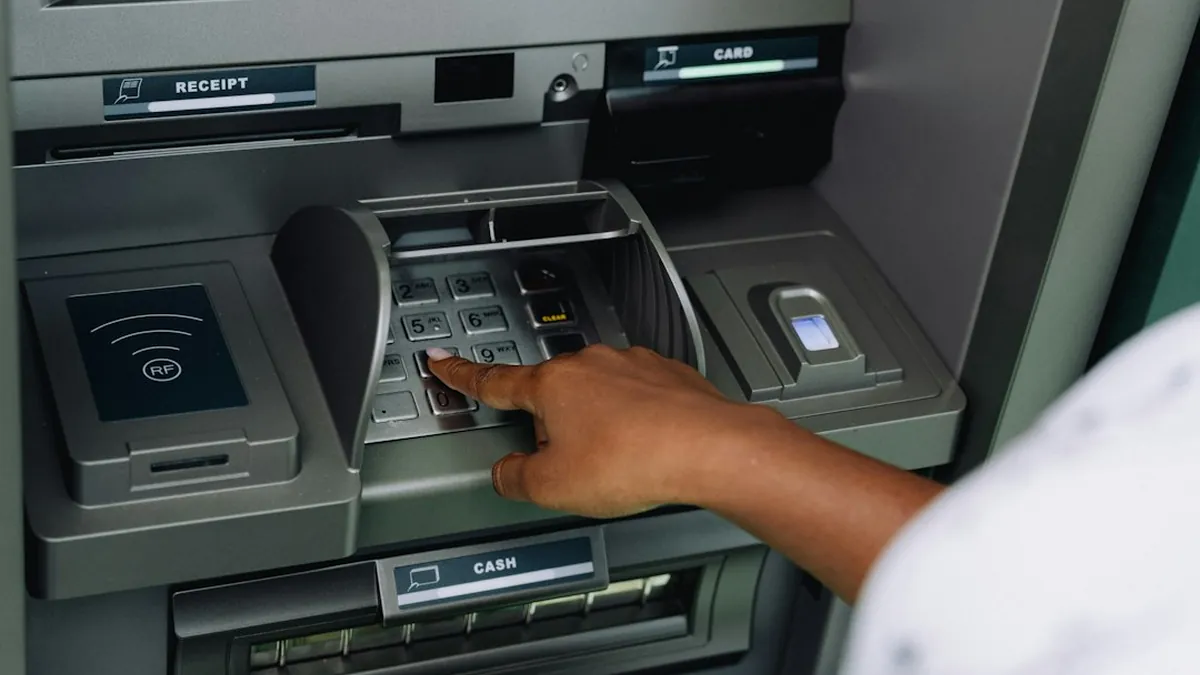
Major banks like Bank of America participate in the Global ATM Alliance, a network that allows fee-free withdrawals at partner machines in dozens of countries — but the list of partner banks is specific, and using a non-partner machine in the same city still triggers the full surcharge stack. Researching your bank’s exact partner network before departure, not at the airport, is the single highest-leverage preparation move available to any international traveler.
Beyond traditional ATM strategy, alternative payment methods like Apple Pay and Google Pay offer a meaningful security upgrade alongside potential fee savings — tapping your phone at an ATM eliminates magnetic stripe exposure entirely, shutting out card skimming at the hardware level. Fintech travel cards from providers like Wise or Revolut also reimburse ATM fees up to a monthly threshold, making them a practical complement to any primary bank card on long international trips.
ATM surcharge fees on international travel are not random misfortune — they are a predictable system that rewards travelers who map it before they land. A 20-minute pre-trip audit of your bank’s partner network, a firm habit of declining DCC, and a backup fintech card can collectively eliminate the majority of fees most tourists pay without ever questioning them. If you’ve discovered a fee-free ATM strategy that actually works in a specific country, share it in the comments below.