5 Hidden Fees Cruise Lines Charge to Your Account
As participants in Amazon Associates and other programs, we earn from qualifying purchases. This comes at no additional cost to you. For more details, see our Affiliate Disclosure.
Cruise vacations are marketed as the ultimate all-inclusive escape — a single ticket price promising sun, sea, and endless entertainment. That glossy promise has made cruising one of the fastest-growing travel segments in 2026, with millions of first-time passengers boarding ships each year fully convinced the hard part of budgeting is already done.
The reality, however, is far more expensive than the brochure suggests. While California’s Honest Pricing Law — effective July 1, 2024 — forced major operators including Carnival, Royal Caribbean, Norwegian, Holland America, and MSC to bundle mandatory taxes and port fees into advertised prices, a sprawling ecosystem of hidden cruise line fees still quietly accumulates on your onboard account long after you set sail.
1. Automatic Gratuities and Daily Service Charges That Add Up Quickly
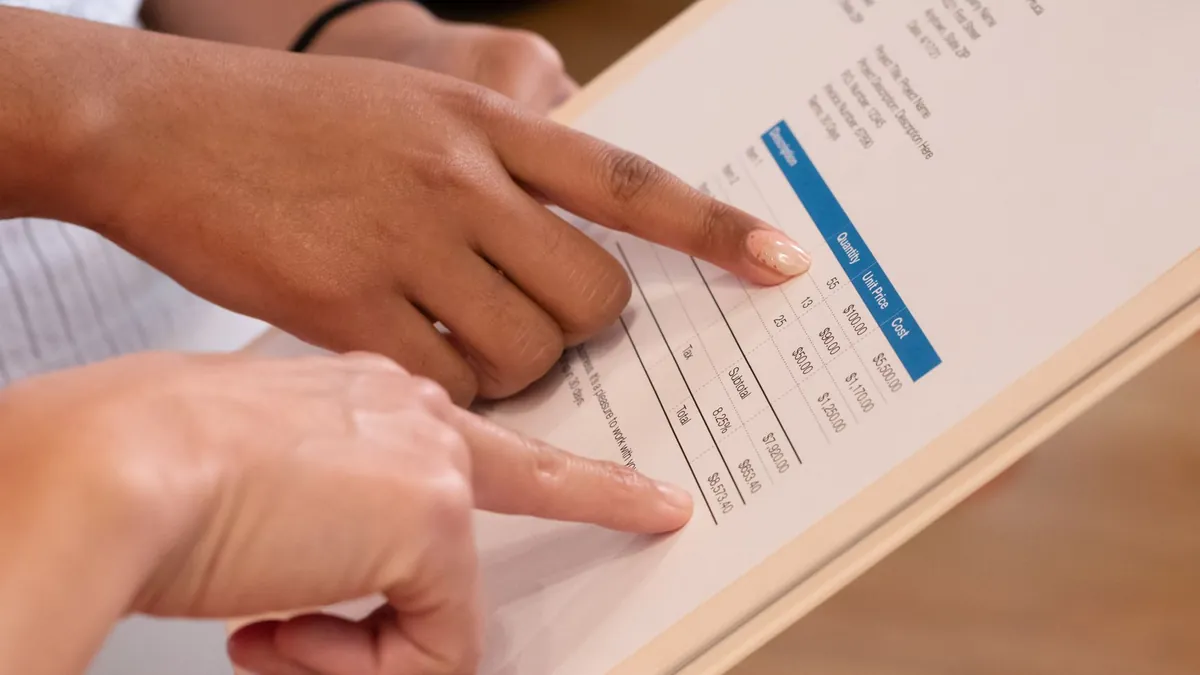
Most cruise lines automatically apply a daily gratuity charge — typically ranging from 18 to 22 dollars per person, per day — directly to every passenger’s onboard account. On a 7-night sailing for 2 passengers, that translates to a surprise bill of up to 308 dollars before you’ve tipped a single person voluntarily. As detailed by FinanceBuzz, these charges are rarely emphasized during the booking process.
- Key Reality: Automatic gratuities are adjustable at guest services, but most passengers never realize they can request modifications.
2. Beverage Package Upsells for Alcoholic Drinks, Specialty Coffee, and Premium Soft Drinks

The base cruise fare almost never includes beverages beyond basic water, juice, and coffee at the buffet — meaning every cocktail, glass of wine, or specialty latte is a separate charge. Beverage packages are aggressively upsold at embarkation, often priced between 65 and 110 dollars per person, per day. A thorough cruise beverage package analysis reveals that casual drinkers rarely break even on these bundles.
- Key Reality: Premium packages often exclude minibar items, certain branded spirits, and fresh-squeezed juices — read the fine print carefully.
3. Specialty Dining Surcharges for Alternative Restaurants Beyond Main Dining

Modern cruise ships operate like floating resort complexes, hosting 8 to 20 specialty restaurants charging per-person cover fees ranging from 30 to 75 dollars per meal. The main dining room is technically included, but cruise lines invest heavily in steering passengers toward premium venues through targeted promotions and onboard advertising. Understanding how cruise lines engineer spending makes these upsell tactics far easier to recognize and resist.
- Key Reality: Specialty dining packages booked before sailing can save 20 to 30% compared to onboard walk-in pricing.
4. WiFi and Internet Access Packages for Onboard Connectivity
Satellite internet at sea remains expensive infrastructure, and cruise lines pass that cost directly to passengers through tiered connectivity packages priced between 15 and 35 dollars per device, per day. Basic plans often throttle streaming and video calls, nudging passengers toward premium tiers at a significant markup. Travelers who rely on connectivity for remote work or family communication consistently rank WiFi fees among the most frustrating hidden cruise line fees they encounter.
- Key Reality: Booking a WiFi package online before departure typically saves 10 to 20% versus purchasing it after boarding.
5. Spa, Wellness, and Fitness Class Fees for Premium Health and Relaxation Services

Cruise ship spas and wellness centers operate as entirely separate, for-profit businesses — a model strikingly similar to how onboard medical facilities function, where passengers are billed directly for every consultation, treatment, and diagnostic test, as confirmed by reporting from Travel Binger. Fitness classes, thermal suite access, and specialty wellness treatments carry individual fees ranging from 20 to 200 dollars per session. Port days often bring aggressive spa promotions designed to fill treatment rooms while passengers are tempted to stay onboard.
- Key Reality: Thermal suite day passes — typically 40 to 60 dollars — are frequently offered as a discounted bundle on embarkation day only.
Hidden cruise line fees are not accidental oversights — they are deliberate revenue architecture built into every sailing, designed to extract spending well beyond the base ticket price. Arriving informed, budgeting for these 5 categories specifically, and pre-purchasing packages online are the most reliable defenses a savvy traveler has. If you’ve been caught off guard by unexpected charges on a cruise, drop your experience in the comments below — your insight could save another traveler hundreds of dollars.