How to Avoid High Foreign Transaction Fees When Traveling
As participants in Amazon Associates and other programs, we earn from qualifying purchases. This comes at no additional cost to you. For more details, see our Affiliate Disclosure.
Foreign transaction fees quietly drain your travel budget — often 1% to 3% per purchase — and most travelers never see them coming until they review their statement at home.
Understanding Foreign Transaction Fees and Their Impact on Your Travel Budget
A foreign transaction fee is charged by your card issuer every time you make a purchase in a foreign currency or through a non-U.S. bank. On top of that, your processor adds a markup, and this is where pricing can vary significantly from provider to provider.
Many travelers don’t realize how much they’re paying beyond the headline rate because these extra charges are often presented in ways that are difficult to interpret. Knowing what to look for before you travel puts you in control.
Selecting Credit and Debit Cards with Zero Foreign Transaction Fees
The most effective way to avoid foreign transaction fees is to carry a card that waives them entirely. Cards like the Chase Sapphire Preferred, Capital One Venture, and Charles Schwab debit card all charge zero foreign transaction fees.
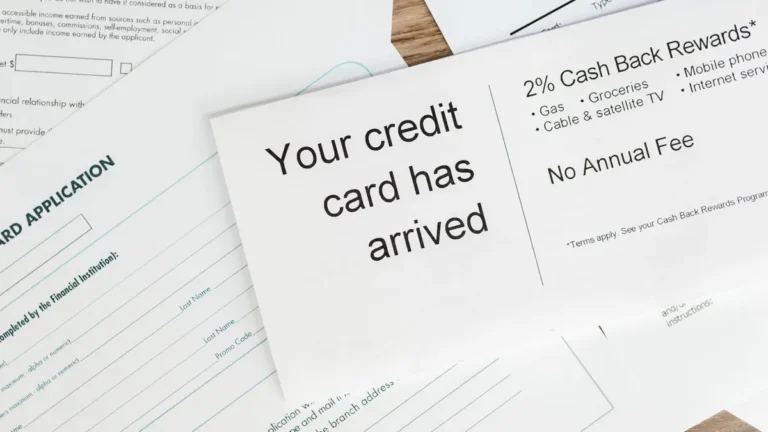
A card’s annual fee is the yearly cost of keeping the account open, and it’s typically disclosed in both the credit card application and the cardholder agreement — always read the fine print carefully before applying. If you’re weighing options, check whether Mastercard suits your travel needs based on global acceptance and fee structures.
Strategic Currency Conversion and Exchange Rate Optimization
Always pay in the local currency when abroad — never accept dynamic currency conversion (DCC), which lets merchants convert the charge to your home currency at unfavorable rates. For destination-specific guidance, resources like navigating currency in Australia break down exactly when cash beats card.
Use ATMs affiliated with global networks like Visa or Mastercard and withdraw larger amounts less frequently to minimize per-transaction fees.
Alternative Payment Methods and Dynamic Currency Conversion Avoidance
Digital wallets like Apple Pay and Google Pay often process at the interbank exchange rate with no added markup. Some newer airport payment systems, such as stablecoin-based options, are also emerging globally as low-fee alternatives.
Watch for undisclosed fees added without upfront disclosure — these may be disputable under state consumer protection law and the FTC’s 2024 Junk Fees Rule, as outlined in recent consumer fee dispute guidance. Staying informed is your strongest defense against unnecessary charges abroad.