Why Shoulder Season Travel Isn’t Always Cheap

As participants in Amazon Associates and other programs, we earn from qualifying purchases. This comes at no additional cost to you. For more details, see our Affiliate Disclosure.
Shoulder season travel deals attract budget travelers for good reason — crowds thin out and base prices drop. But several overlooked expenses can quietly cancel out those savings.
Hidden Costs That Offset Shoulder Season Savings
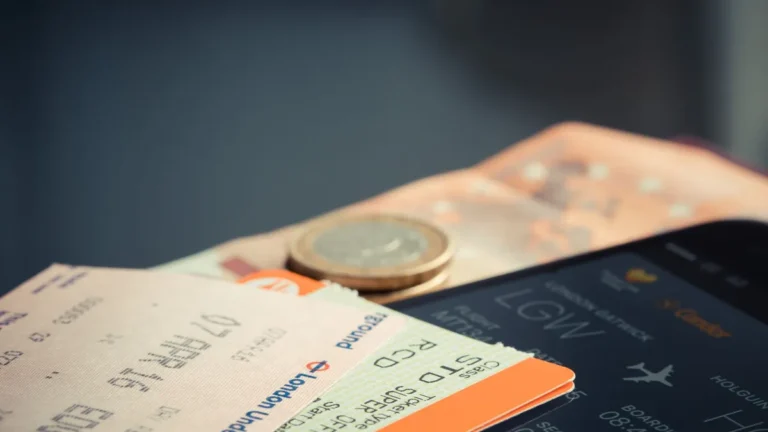
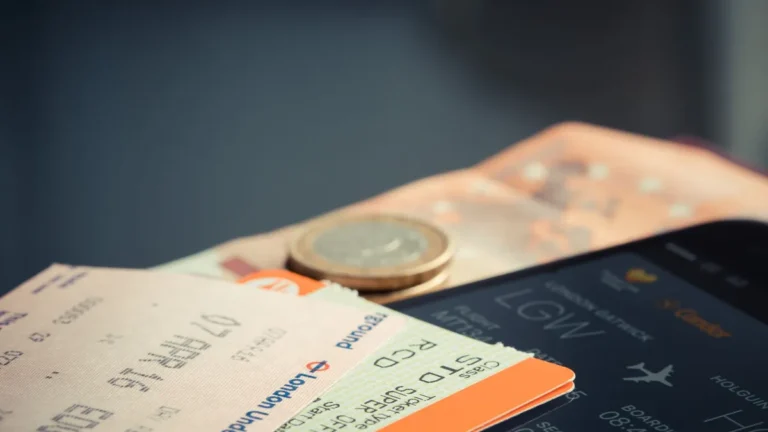
Flights during transitional months often carry unpredictable pricing, especially on routes with limited frequency. Learning how to find cheap flights strategically makes a real difference here.
If you’re traveling with a pet, shoulder season doesn’t reduce transport costs. Ground transport, air cargo, and flight nanny services each carry distinct fees — airline charges, crate costs, handling, and documentation all add up regardless of the travel season, as detailed by pet transport cost experts.
Destination-Specific Pricing Variations During Transitional Months
Not every destination drops in price during shoulder months. Hawaii, for example, has nuanced pricing windows — understanding the best time to visit Hawaii helps you avoid paying peak rates in disguise.
Some regions actually raise accommodation prices during shoulder season to compensate for lower occupancy periods. Always compare nightly rates across a full month before assuming you’re getting a deal.

Weather-Related Expenses and Travel Disruptions
Shoulder season often overlaps with hurricane season across the U.S. East Coast, Mexico, and the Caribbean. Even a connecting flight through one of these regions puts your entire itinerary at risk if weather turns severe.
Travel insurance becomes non-negotiable in these windows — hurricane season travel insurance guidance explains exactly what coverage you need before booking. Disruptions mean rebooking fees, hotel extensions, and lost prepaid reservations.
Strategic Booking Timing to Maximize Shoulder Season Value
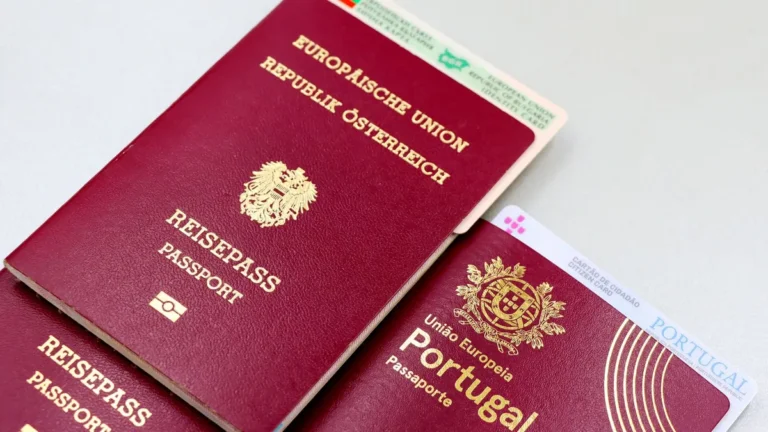
Separate your essential entry documents from supporting records so you can access each item quickly during disruptions. Keep your passport, visa, and any required travel authorizations in one dedicated, accessible location.
Book refundable rates where possible and set fare alerts at least 60 days out. True shoulder season travel deals exist — but only when you account for every cost layer before hitting confirm.