Best Time to Visit Hawaii
As participants in Amazon Associates and other programs, we earn from qualifying purchases. This comes at no additional cost to you. For more details, see our Affiliate Disclosure.
Hawaii’s endless summer vibe makes it a year-round escape, but the best time to visit Hawaii is spring (April to May) or fall (September to October). These months bring warm weather, fewer crowds, and lower prices compared to peak seasons. Spring offers lush greenery and calm beaches, while fall has clear skies and ideal conditions for hiking or snorkeling. Both seasons balance affordability and comfort, letting you soak in the islands’ aloha spirit without the hustle of winter or summer rushes.
Picking the right time depends on what you want—surfing big waves, spotting humpback whales, or just lounging on golden sands. Each island, from Oahu to Maui to the Big Island, has its own flavor, and the weather stays inviting no matter when you go. Let’s dive into what makes each season shine, so you can find the perfect moment to explore Hawaii’s islands.

Spring: Mild Weather and Blooming Trails
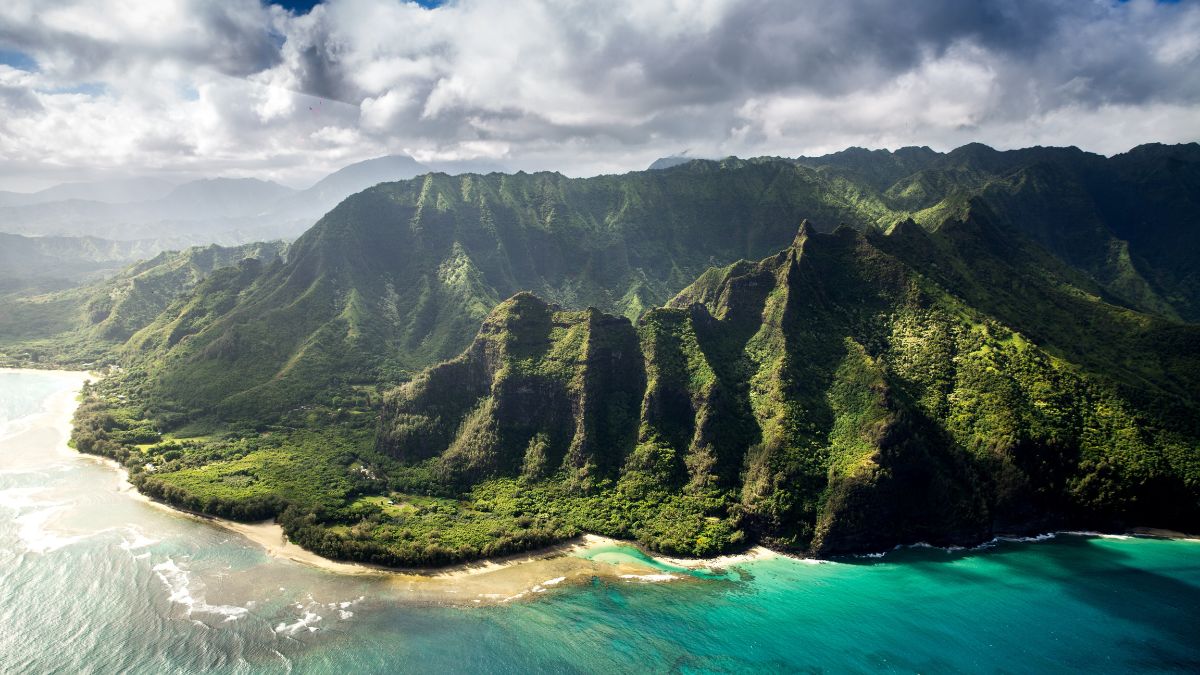
Spring in Hawaii feels like a sweet spot, with temperatures hovering between 24-29°C and less rain than winter. Beaches like Oahu’s ‘Waikiki’ or Maui’s ‘Kaanapali’ are less packed, giving you space to surf or swim in peace. The islands’ trails, like Kauai’s ‘Na Pali Coast,’ burst with green hills and waterfalls, perfect for hikers.
Festivals add a local touch—Maui’s ‘Celebration of the Arts’ in April showcases Hawaiian culture through music and hula. You’ll also find deals on flights and hotels, as spring sits outside the peak tourist waves. Farmers’ markets, like those in Hilo, brim with fresh mangoes and papayas, making it a foodie’s dream.
The only downside? Occasional showers, especially on windward coasts like Kauai’s north shore. Pack a light rain jacket, but don’t worry—rain in Hawaii often passes quickly, leaving rainbows behind. Spring’s balance of cost, weather, and quiet charm makes it hard to beat.
Fall: Clear Skies and Ocean Adventures
Fall brings some of Hawaii’s best weather—warm days around 27-30°C, low humidity, and minimal rain. It’s prime time for water activities, like snorkeling at Molokini Crater off Maui or kayaking along Kauai’s ‘Wailua River.’ The ocean is calm, and visibility is stellar for spotting tropical fish or even sea turtles.
Cultural events light up the season, like Oahu’s ‘Aloha Festivals’ in September, with parades and live music celebrating Hawaiian heritage. Fall also means smaller crowds at spots like the Big Island’s ‘Volcanoes National Park,’ where you can explore lava fields without elbowing through tour groups.
Prices for accommodations drop compared to summer or winter, especially on less touristy islands like Lanai. Just watch for early bookings if you’re eyeing popular resorts—fall’s growing reputation as a prime season means savvy travelers snap up deals fast.
Summer: Family Fun and Big Waves
Summer, from June to August, is Hawaii’s high season, buzzing with families and warm weather around 29-32°C. Beaches like Oahu’s ‘North Shore’ draw surfers chasing big swells, while calmer spots like Maui’s ‘Wailea’ are great for kids. The long days mean more time for exploring, whether it’s zip-lining on Kauai or stargazing at Mauna Kea.
Events like the ‘King Kamehameha Day’ parade in June celebrate Hawaiian history with vibrant floats and music. You’ll also find lively ‘bon’ dance festivals, where locals honor ancestors with traditional performances. Food trucks and shave ice stands are everywhere, serving up plate lunches and cooling treats.
The catch is the crowds—popular spots like ‘Pearl Harbor’ or ‘Hanauma Bay’ get busy, and hotel prices climb. Book early and consider quieter islands like Molokai for a more laid-back vibe. Summer’s energy is infectious, but it’s best for those who don’t mind sharing the sand.
Winter: Whale Watching and Lush Scenery
Winter, from December to March, brings cooler temps (22-27°C) and more rain, especially on the Big Island’s Hilo side or Kauai’s ‘Hanalei.’ But it’s also peak season for humpback whales, which migrate to Hawaii’s warm waters. Boat tours from Maui’s ‘Lahaina’ or Oahu’s ‘Waianae’ offer front-row seats to breaching whales, a bucket-list experience.
The rain keeps the islands green, making winter ideal for exploring rainforests or waterfalls like ‘Akaka Falls.’ Surfing peaks on Oahu’s ‘North Shore,’ where pros compete at events like the ‘Vans Triple Crown.’ Cozy coffee shops in Kona serve up local brews to warm you up after a day out.
Winter’s popularity means higher costs and crowded hotspots, especially around Christmas and New Year’s. For fewer people, visit in January or early February, and stick to leeward coasts for drier weather. The whale sightings alone make winter worth it.
Planning Your Perfect Trip
Hawaii’s islands vary in climate—Kauai’s north shore is wetter, while the Big Island’s Kona side stays dry. Check island-specific forecasts to match your plans, whether you’re hiking volcanoes or lounging on beaches. Apps like Hawaii Weather can give you real-time updates.
Peak seasons (winter and summer) mean booking flights and rentals months ahead, especially for spots like Maui’s ‘Road to Hana’ or Oahu’s ‘Diamond Head.’ Shoulder seasons—spring and fall—offer better deals and shorter lines at places like ‘Iolani Palace.’ Renting a car is a must for exploring beyond resorts, as public transport is limited.
Local events can shape your trip. Time your visit for Maui’s ‘Whale Festival’ in February or the Big Island’s ‘Merrie Monarch’ hula competition in April for a cultural boost. A quick peek at island event calendars can help you catch these gems without much effort.