How to Avoid Baggage Fees on Transatlantic Flights
As participants in Amazon Associates and other programs, we earn from qualifying purchases. This comes at no additional cost to you. For more details, see our Affiliate Disclosure.
Transatlantic baggage fees can quietly add $60–$200 to your round-trip cost before you even board. Here’s exactly how to avoid them.
Leverage Airline Credit Cards and Elite Status for Baggage Waivers
Co-branded airline credit cards from carriers like Delta, United, and American routinely waive the first checked bag fee for cardholders. That single perk pays the annual fee on most cards within one round trip.
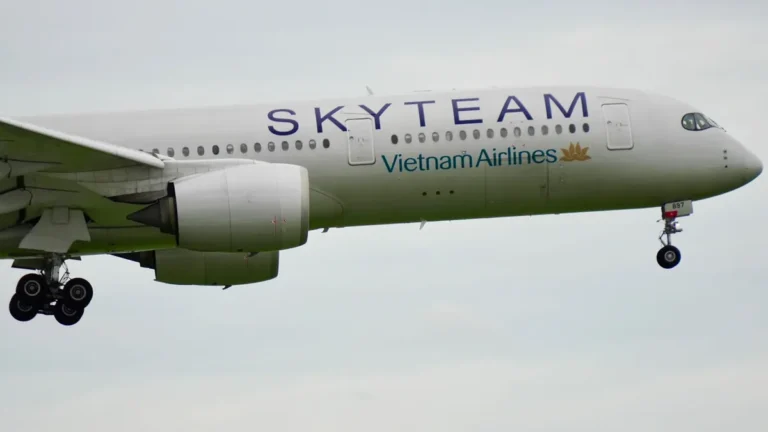
Elite status unlocks even more. As explained by airline alliance tier guides, SkyTeam Elite Plus members receive priority baggage and SkyPriority services, while top-tier oneworld members gain First Class priority check-in benefits across partner airlines.
Even mid-tier status on a single alliance carrier can waive fees on partner-operated transatlantic routes.
Master Carry-On Packing Across Transatlantic Carriers
Most transatlantic carriers allow one carry-on bag plus one personal item in standard economy. Packing everything into those two pieces is the most reliable way to avoid fees entirely.
Efficient packing is a skill worth developing — if you’re wondering whether packing cubes add weight to your bag, the short answer is minimal impact for maximum organization. Staying under the weight limit matters as much as bag count on international routes.

Compare Basic Economy vs. Main Cabin Fare Classes
Basic Economy fares on transatlantic routes from carriers like Lufthansa, British Airways, and Delta often exclude even carry-on bags above personal item size. Main Cabin fares typically include one carry-on and sometimes one checked bag.
Always calculate the total trip cost — base fare plus bag fees — before assuming Basic Economy is cheaper. The difference is frequently $20 or less after fees.
Prepay Bags and Use Gate-Check Tactics Strategically
Prepaying for checked baggage online is almost always cheaper than paying at the airport counter. Most airlines charge a $10–$25 premium for bags added at check-in or the gate.
If your bag is delayed or lost, travel insurance coverage for lost luggage can reimburse both your belongings and any baggage fees paid. File that claim immediately with documentation in hand.
Gate-checking a carry-on is free on most airlines — if overhead bins fill up, volunteers are asked before the gate agent mandates it, giving you a no-cost checked bag.