European Dining Taxes Explained for American Tourists
As participants in Amazon Associates and other programs, we earn from qualifying purchases. This comes at no additional cost to you. For more details, see our Affiliate Disclosure.
Getting a restaurant bill in Europe can feel like decoding a foreign language — because sometimes, it literally is.
Understanding VAT and Service Charges Across European Restaurants
European dining taxes start with VAT (Value-Added Tax), which is already baked into menu prices across the EU. Unlike American sales tax added at the register, VAT is included upfront — so the price you see is the price you pay.
VAT rates on food and beverages vary by country. France charges around 10% for restaurant meals, while Germany applies 19% to dine-in orders.
Some restaurants also add a separate service charge, typically ranging from 10% to 15%. This is distinct from VAT and doesn’t always go directly to your server.
Regional Variations in Dining Fees and Cover Charges
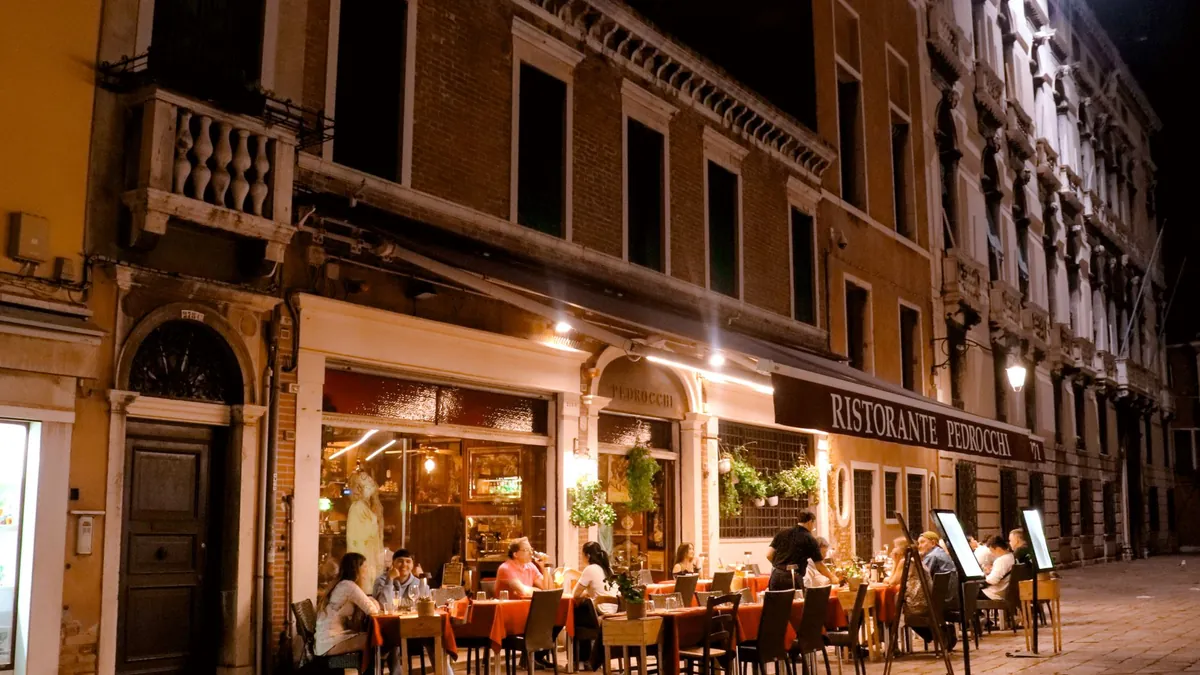
Italy is famous for the coperto — a cover charge per person that covers bread and table setup, usually €1–€3. As discussed in detail on this breakdown of Italian restaurant charges, it’s entirely legal and widely practiced.
If you’re planning to visit multiple cities, understanding local fee structures matters. Whether you’re choosing between Rome, London, or Paris dining scenes, each city has its own billing norms.

Mandatory Versus Optional Service Charges
A mandatory service charge must be clearly stated on the menu — it’s non-negotiable. An optional gratuity line, however, is your choice to fill in or leave blank.
Never assume a service charge means tipping is covered. In many countries, staff still expect a small additional cash tip on top of any listed charge.
Legal Transparency and Disputing Unauthorized Charges
EU consumer protection law requires restaurants to disclose all charges before you order. The Consumer Rights Directive mandates full price transparency so diners aren’t blindsided.
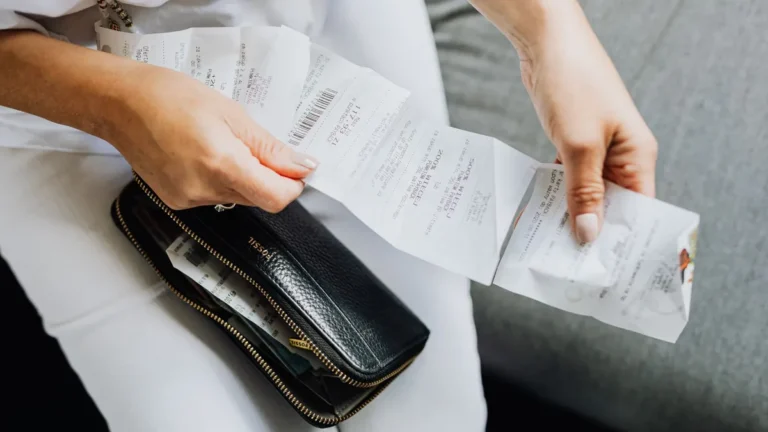
If a charge appears on your bill without prior disclosure, you have the right to dispute it. Ask for an itemized receipt and request clarification before paying.
Always photograph your bill — it’s your strongest evidence if a dispute escalates with local consumer authorities.