9 States Retirees Say They Regret Moving To

As participants in Amazon Associates and other programs, we earn from qualifying purchases. This comes at no additional cost to you. For more details, see our Affiliate Disclosure.
Retirement relocation can backfire fast — and thousands of retirees are speaking up about the states that didn’t deliver on their promise.
These are the 9 states retirees regret moving to, backed by real financial, healthcare, and lifestyle data.
1. Florida: Hurricane Risk and Escalating Insurance Premiums Outpace Retirement Savings
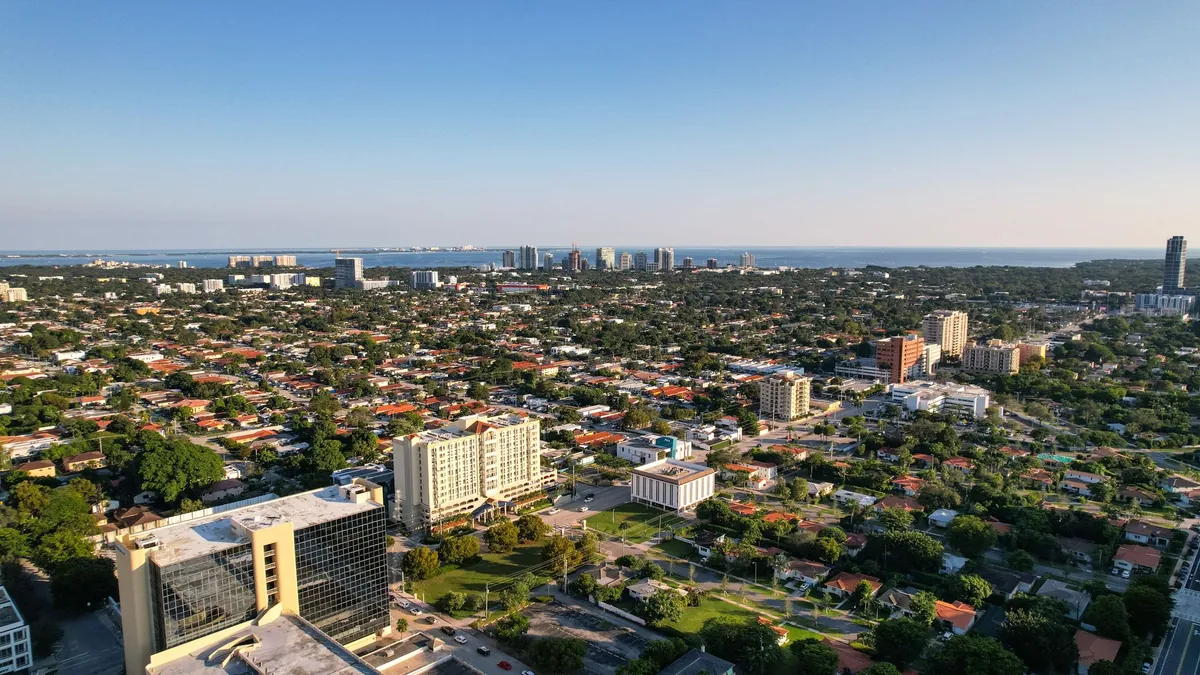
Florida’s sunny appeal fades quickly when homeowners insurance premiums spike after every hurricane season. According to U.S. Census Bureau property insurance data, coastal states like Florida face some of the steepest insurance cost increases in the nation, cutting deep into fixed retirement incomes.
- Key Takeaway: Skyrocketing property insurance costs are the top financial regret for Florida retirees.
2. Arizona: Extreme Heat, Water Scarcity, and Rising Healthcare Costs Challenge Long-Term Residents

Summers in Arizona now regularly exceed 115°F, creating dangerous conditions for older adults with cardiovascular or respiratory conditions. Water restrictions are tightening statewide, adding long-term uncertainty for retirees who planned to settle permanently.
- Key Takeaway: Extreme heat and water scarcity make Arizona increasingly unsustainable for retirees long-term.
3. California: High State Income Tax and Soaring Cost of Living Erode Retirement Nest Eggs

California taxes retirement income at rates up to 13.3%, one of the highest in the country. Combined with housing costs and everyday expenses, many retirees find their savings depleted far faster than projected.
- Key Takeaway: California’s steep income tax directly reduces retirement purchasing power year after year.
4. Texas: Property Tax Burden and Rapid Urban Sprawl Diminish Quality of Life

Texas has no state income tax, but property taxes average well above 1.6% — among the highest nationally. Rapid development has also transformed once-quiet retirement communities into congested, noisy urban corridors.
- Key Takeaway: Texas property taxes often offset the income tax savings retirees expected to enjoy.
5. North Carolina: Healthcare Accessibility Gaps and Limited Specialist Availability in Rural Areas

Rural North Carolina suffers from serious shortages of licensed health professionals, including physicians, nurse practitioners, and licensed practical nurses. Retirees who moved for affordability often find themselves driving hours for specialist care.
- Key Takeaway: Rural healthcare deserts in North Carolina are a critical and underreported retirement risk.
6. Louisiana: Natural Disaster Vulnerability and Elevated Homeowners Insurance Rates Create Financial Strain

Louisiana consistently ranks among the most disaster-prone states, with flooding and hurricane damage driving insurance costs to extreme levels. Many retirees find that long-term care facilities — ideally fully sprinklered per NFPA 13 standards — are scarce and expensive in high-risk zones.
- Key Takeaway: Louisiana’s disaster exposure creates compounding financial risks that catch retirees off guard.
7. Nevada: Lack of State Income Tax Offset by Rising Property Values and Housing Costs

Nevada’s zero income tax draws retirees in, but Las Vegas and Reno housing costs have surged dramatically since 2022. If you’re planning travel or extended stays to evaluate a relocation, understanding hotel deposit policies can help manage costs during your scouting trips.
- Key Takeaway: Nevada’s housing inflation has largely erased the tax savings that originally attracted retirees.
8. Colorado: Altitude-Related Health Issues and Expensive Healthcare Services Surprise New Retirees

Colorado’s high altitude triggers serious health complications for retirees with heart or lung conditions, often requiring immediate medical intervention. Nationally, pet healthcare quality data shows Colorado also ranks poorly for veterinary access — a concern for the 55.3% of retiree households that own pets.
- Key Takeaway: Altitude health risks in Colorado are frequently underestimated until serious symptoms emerge post-move.
9. South Carolina: Coastal Property Tax Increases and Hurricane Season Frequency Exceed Retirement Expectations

South Carolina’s coastal counties have seen property tax reassessments spike following rapid in-migration and rising home values. Hurricane season now delivers more frequent and intense storms, pushing insurance premiums well beyond what most retirees budgeted for.
- Key Takeaway: South Carolina’s coastal charm comes with escalating storm and tax costs that strain retirement budgets.
Choosing where to retire is one of the most consequential financial decisions you’ll make — research every cost layer before committing to a state that could drain your savings faster than expected.