6 Times You Should Buy Extra Rental Car Coverage

As participants in Amazon Associates and other programs, we earn from qualifying purchases. This comes at no additional cost to you. For more details, see our Affiliate Disclosure.
Most travelers approach the rental car counter with the same breezy confidence — a credit card in one hand and the assumption that they’re already covered in the other. It’s a mindset that feels reasonable until a fender bender in a foreign city or a stolen vehicle turns a vacation into a financial catastrophe. The rental car coverage conversation is one of the most misunderstood in all of travel finance.
The truth is that navigating rental car protection requires a clear understanding of your personal auto policy, your credit card’s fine print, and the rental contract itself — and major companies like Enterprise, Hertz, Avis, and Budget design those contracts specifically to protect their assets, not yours. Assuming your existing coverage is airtight is a gamble that millions of drivers lose every year. These are the 6 situations where buying extra rental car coverage is not just smart — it’s essential.
1. You’re Traveling Internationally and Your Domestic Policy Won’t Apply

Most U.S. personal auto insurance policies terminate at the border, leaving drivers completely exposed the moment they pick up a rental in Mexico, Europe, or beyond. International rental agreements carry their own liability structures, and a gap in coverage can mean paying out of pocket for damages, third-party injuries, and legal fees in a foreign jurisdiction. Buying the rental company’s local coverage isn’t an upsell in this scenario — it’s a necessity.
- Key Reality: Even comprehensive domestic policies typically exclude international territory, making supplemental rental car coverage abroad non-negotiable.
2. Your Personal Auto Insurance Has High Deductibles That Could Drain Your Wallet

Carrying a 1,500 or 2,000 dollar deductible on your personal policy might keep your monthly premiums manageable, but it creates a painful exposure when a rental is involved. If you’re at fault in an accident, that deductible comes due immediately — and rental companies can also bill you for loss-of-use fees while the vehicle is being repaired. A Collision Damage Waiver from the rental company can eliminate that entire financial hit for as little as 15 to 30 dollars per day.
- Key Reality: High-deductible policyholders often save more by purchasing the rental’s CDW than by filing a claim through their personal insurer.
3. You’re Renting a Luxury or High-Value Vehicle Beyond Your Standard Coverage Limits

Standard personal auto policies are calibrated around average vehicle values, which means a luxury SUV or premium sedan rental can quickly exceed what your insurer will actually pay out. Repair costs on high-end vehicles — think Mercedes, BMW, or Tesla fleet rentals — can run into tens of thousands of dollars for even moderate damage. As outlined by BigInsured, major rental companies structure their contracts to recover the full market value of their assets, not just repair costs.
- Key Reality: Your personal policy’s coverage ceiling may fall well short of a luxury rental’s actual replacement value.
4. Your Credit Card Rental Car Benefits Have Exclusions or Limited Liability Protection
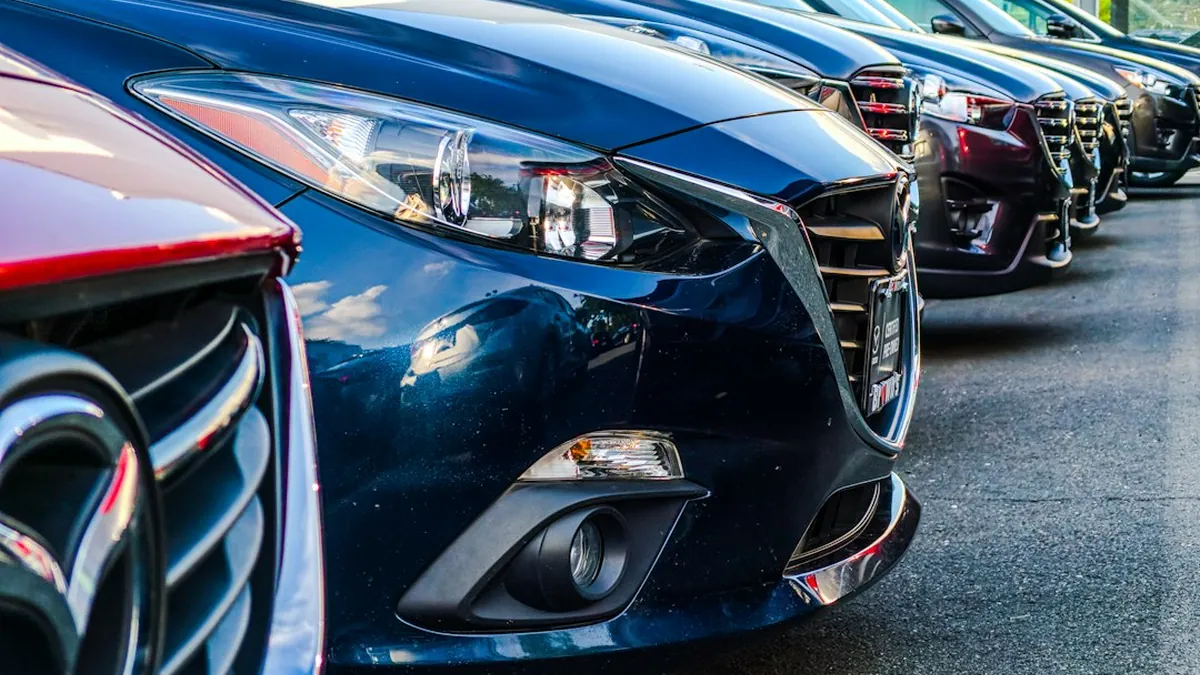
Credit card rental benefits are frequently misrepresented as full coverage when they are almost always secondary, collision-only protections with significant exclusions. Many cards exclude trucks, vans, exotic cars, and rentals exceeding a certain number of days — and virtually none of them cover third-party liability, meaning injuries to other people or damage to other vehicles. Before you rely on plastic alone, understanding personal credit card limitations for rentals could save you from a devastating gap in protection.
- Key Reality: Most credit card rental benefits are secondary coverage only and exclude liability — the most financially dangerous exposure of all.
5. You’re Driving in High-Risk Areas With Elevated Accident or Theft Rates

Certain urban corridors, tourist-heavy destinations, and international cities carry statistically higher rates of vehicle theft, vandalism, and collision — and rental companies know exactly which markets those are. Driving in those environments without supplemental coverage means absorbing a risk that professional actuaries have already priced as elevated. Even savvy travelers who typically decline the desk upsell should reconsider when the destination itself is a risk factor, and those exploring rental car upgrade decisions should apply the same scrutiny to their coverage choices.
- Key Reality: Theft and vandalism claims in high-risk zones can include loss-of-use fees that your personal policy may not cover at all.
6. You Have a Poor Driving Record and Face Significant Out-of-Pocket Liability Exposure

Drivers with prior at-fault accidents, DUIs, or moving violations often carry personal policies with reduced liability limits — or face insurers who may dispute claims aggressively to protect their own bottom line. State minimums, like Mercury Insurance’s state-by-state breakdown confirms, are designed as legal floors, not financial safety nets — Oklahoma’s 25/50/25 minimums, for example, can be exhausted in a single serious accident. For high-risk drivers, supplemental liability coverage from the rental company isn’t optional — it’s the only realistic buffer between a fender bender and financial ruin.
- Key Reality: Drivers with spotty records face the highest liability exposure and the least insurer goodwill when a rental claim is filed.
Rental car coverage is never a one-size-fits-all decision — it’s a layered calculation that depends on your destination, your policy, your credit card, and your personal risk profile. Getting it wrong can turn a 30-dollar-a-day rental into a 10,000-dollar lesson in fine print. Drop a comment below and tell us whether you typically buy the extra coverage or take your chances at the counter.