How to Detect Hidden Cameras & Two-Way Mirrors
As participants in Amazon Associates and other programs, we earn from qualifying purchases. This comes at no additional cost to you. For more details, see our Affiliate Disclosure.
Hidden cameras in hotel rooms are a real threat — and knowing how to spot them before unpacking could protect your privacy, dignity, and safety.
Visual Inspection Techniques for Identifying Concealed Surveillance Devices
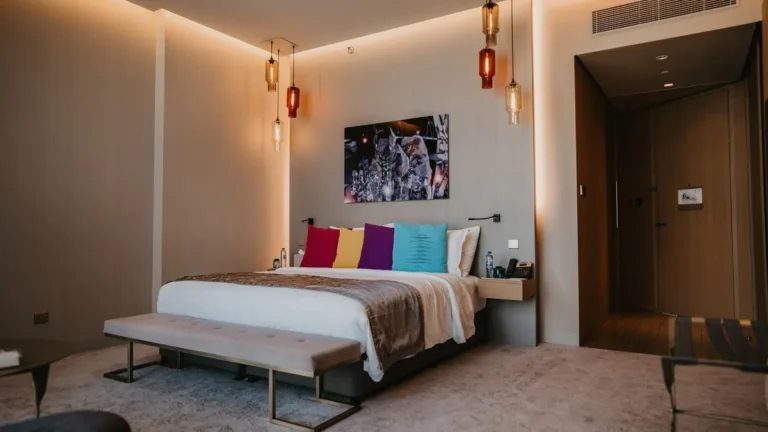
Start by scanning the room with the lights off and look for any faint LED indicator lights blinking in dark corners. Check smoke detectors, alarm clocks, picture frames, air purifiers, and USB chargers — these are common disguise points for spy cameras.
For two-way mirrors, press your fingernail directly against the glass surface. A real mirror has a gap between your fingertip and its reflection; a two-way mirror shows no gap at all.
RF Detection Tools and Smartphone Camera Methods for Camera Discovery
RF (radio frequency) detectors scan for wireless signals transmitted by hidden cameras and are affordable enough to include in your travel security gear. Most models cost under $30 and fit easily in a carry-on bag.
Your smartphone’s front-facing camera can detect infrared light invisible to the naked eye. Open the camera app, point it at suspected devices, and look for a pinkish-white glow on screen — that’s an IR emitter.
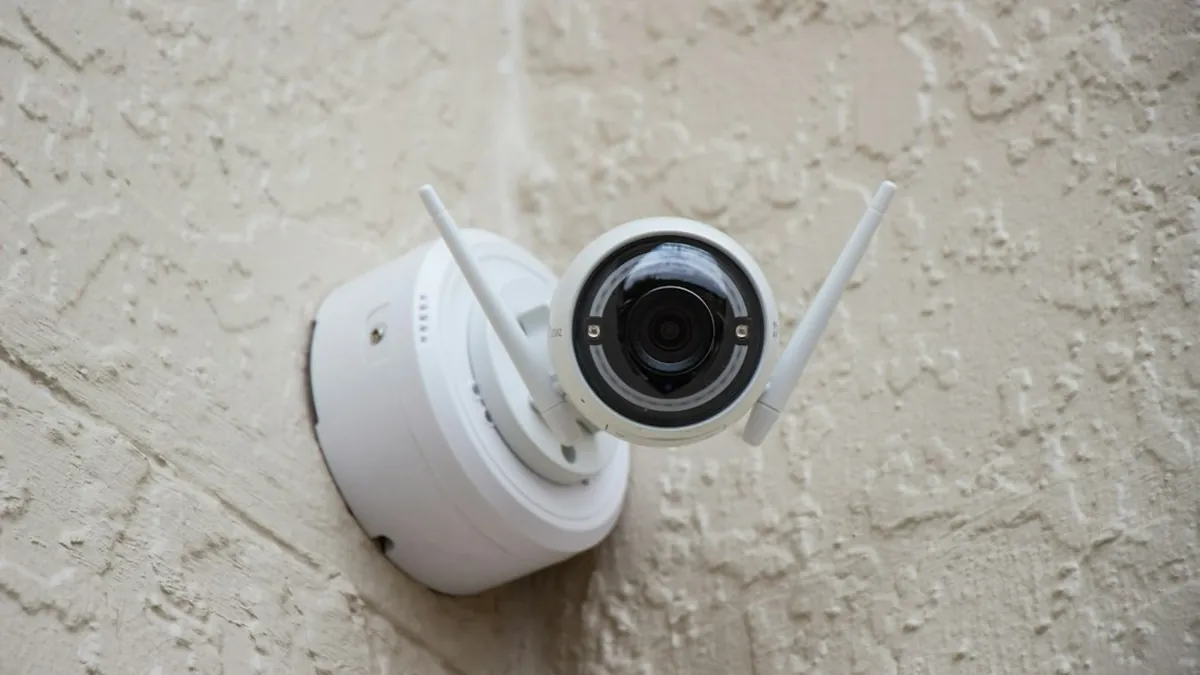
Common Hidden Camera Locations in Hotel Rooms and Guest Spaces
Bathrooms, bedside tables, and areas facing the bed are the highest-risk zones. According to SafeHome.org’s hidden camera research, cameras are frequently found inside functional everyday objects to avoid detection.
Understanding hotel camera laws and legality helps you recognize what’s permitted versus what’s a criminal violation. Any camera placed in a private space without consent is illegal in virtually every jurisdiction.
Legal Implications and Proper Response Procedures for Suspected Surveillance
Do not move or unplug any device you suspect is a camera — preserving evidence matters. Call local law enforcement immediately and ask them who handles surveillance or voyeurism cases in your area.
Hotels can be held legally responsible under the innkeeper’s duty standard, which requires them to protect guests from harm and theft. Voyeurism can cause depression, anxiety, difficulty sleeping, and PTSD, as noted by StrongHeartsHelpLine’s voyeurism impact resource — so reporting it is never optional.