13 Unexpected Items TSA Will Confiscate From Carry-On
As participants in Amazon Associates and other programs, we earn from qualifying purchases. This comes at no additional cost to you. For more details, see our Affiliate Disclosure.
Every seasoned traveler has a packing ritual — the careful folding, the strategic layering, the quiet confidence of someone who has done this a hundred times. Yet even the most experienced flyers get stopped at the security checkpoint, staring in disbelief as an agent pulls something completely ordinary from their bag.
The TSA confiscate carry-on luggage items that most passengers would never suspect, and the rules governing what qualifies as a threat are far more nuanced than a simple “sharp objects and liquids” checklist. Understanding exactly what gets flagged — and why — can save you serious time, money, and frustration at the gate.
1. Gel-Based Shoe Inserts and Orthotic Insoles

Those comfort insoles you tucked into your carry-on for a long travel day? TSA agents can flag gel-based inserts because gel is classified under the same liquid/gel rules that govern toiletries. If the insoles are not already inside your shoes during screening, they may be subject to the 3.4-ounce rule interpretation.
- Key Reality: Wearing your insoles through the checkpoint is the safest workaround to avoid confiscation.
2. Aerosol Sunscreen and Spray Deodorant
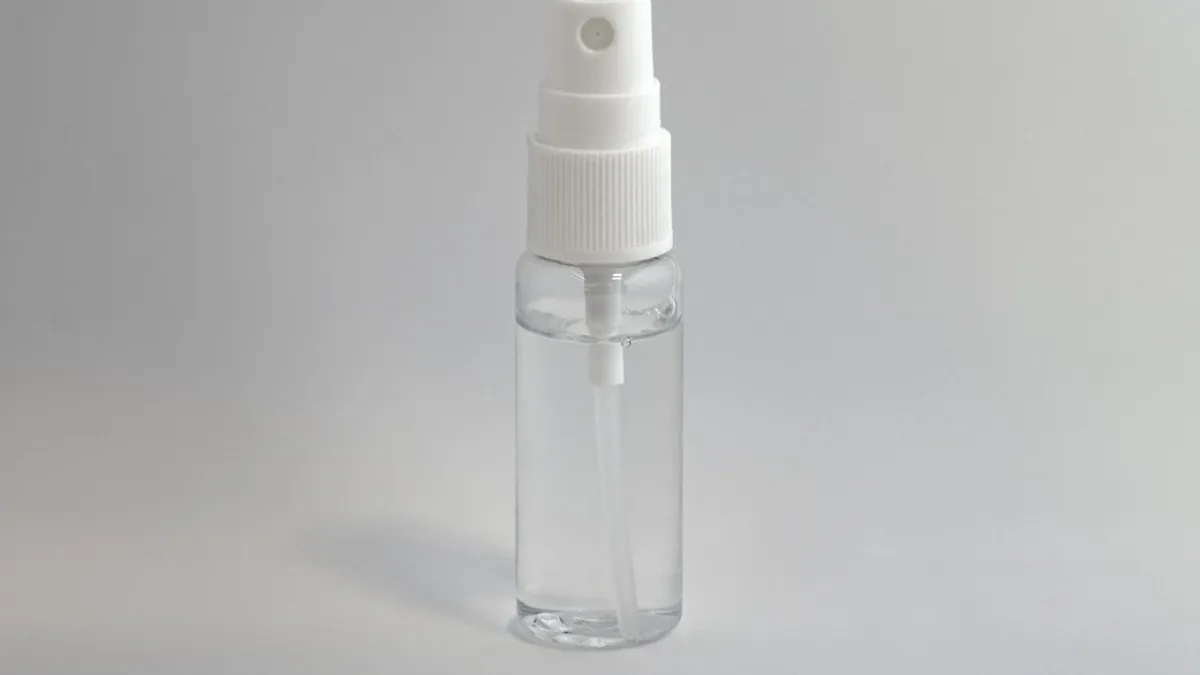
Aerosol products are a dual threat at security — they fall under both the liquid rule and the pressurized container restrictions. Containers exceeding 3.4 ounces are automatically confiscated, regardless of how much product remains inside.
- Key Reality: Travel-sized aerosols under 3.4 ounces are permitted, but must fit within your single quart-sized bag.
3. Peanut Butter and Other Thick Spreads
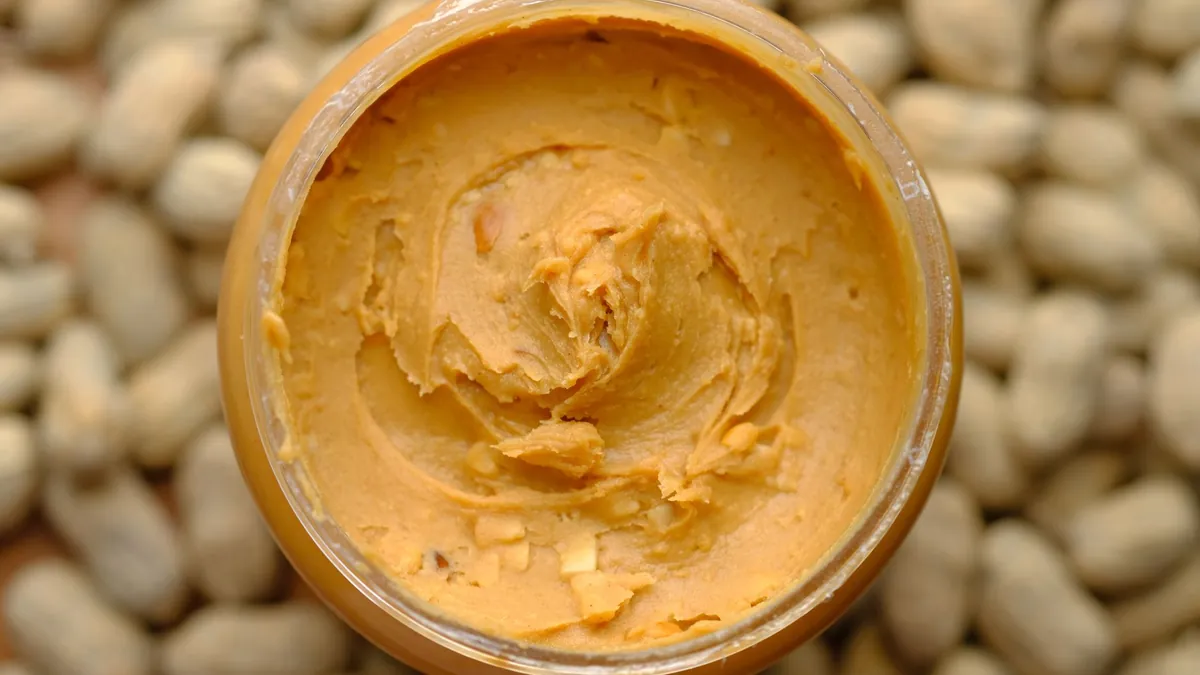
Peanut butter is classified as a liquid by TSA standards because of its spreadable, semi-fluid consistency — a fact that shocks travelers every single day. Any jar exceeding 3.4 ounces will be pulled from your bag without exception.
- Key Reality: Hummus, jam, Nutella, and soft cheeses fall under the same liquid classification.
4. Nail Clippers and Metal Cuticle Tools
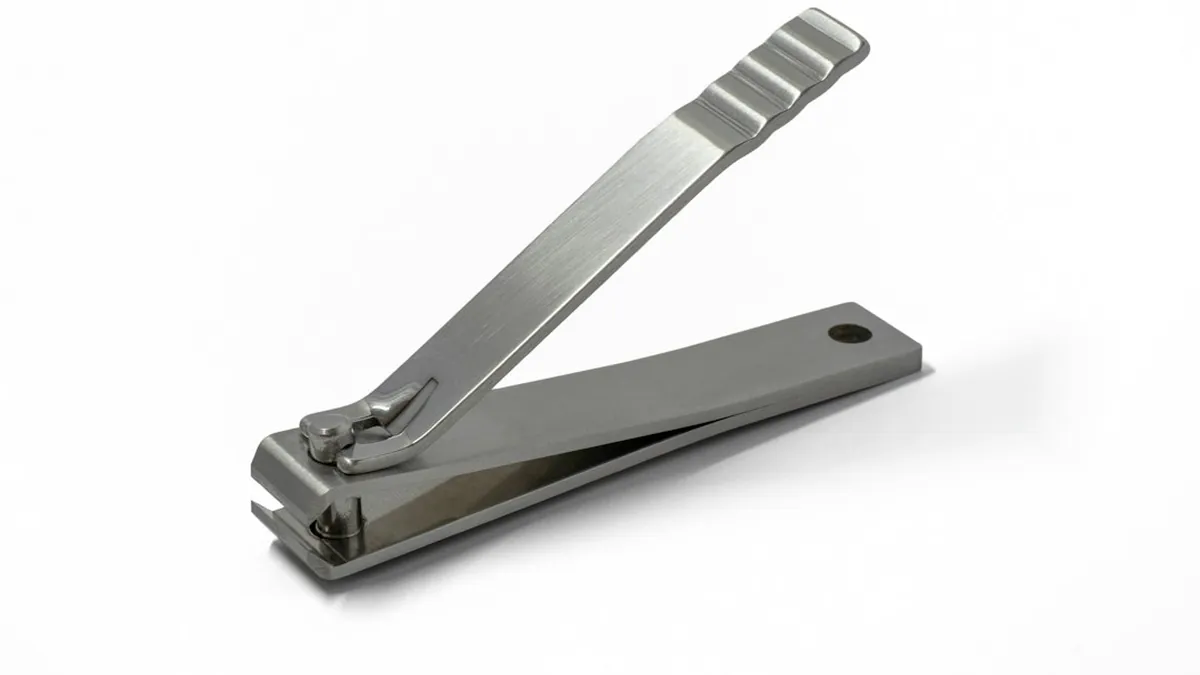
Standard nail clippers are generally allowed, but metal cuticle pushers, nail files with sharp edges, and cuticle nippers with blade lengths that concern agents can absolutely be confiscated at the officer’s discretion. TSA agents have broad authority to make judgment calls on sharp metal grooming tools.
- Key Reality: Pack professional-grade nail tools in checked luggage to eliminate any risk.
5. Lighters and Lighter Fluid Cartridges
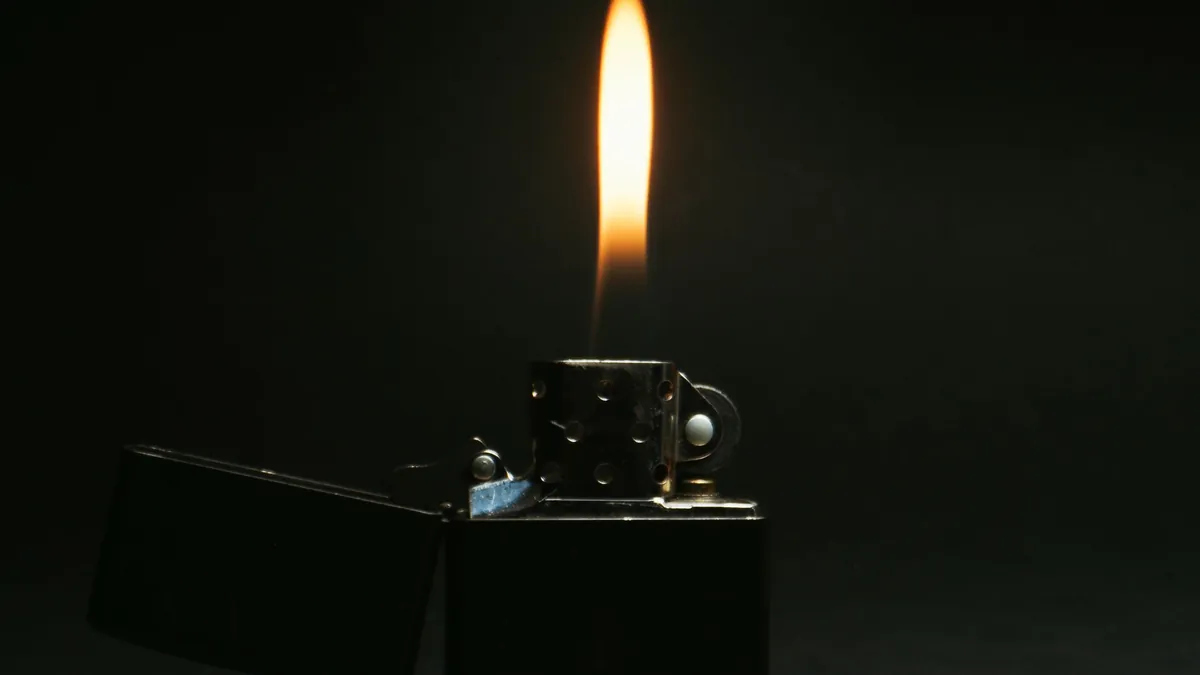
A single common lighter is technically permitted in carry-on bags, but torch lighters, arc lighters, and any separate lighter fluid cartridges are strictly prohibited. Passengers frequently confuse the rule, assuming all lighters travel the same way.
- Key Reality: Lighter fluid cartridges are banned entirely from both carry-on and checked baggage.
6. Scissors with Blades Longer Than 4 Inches
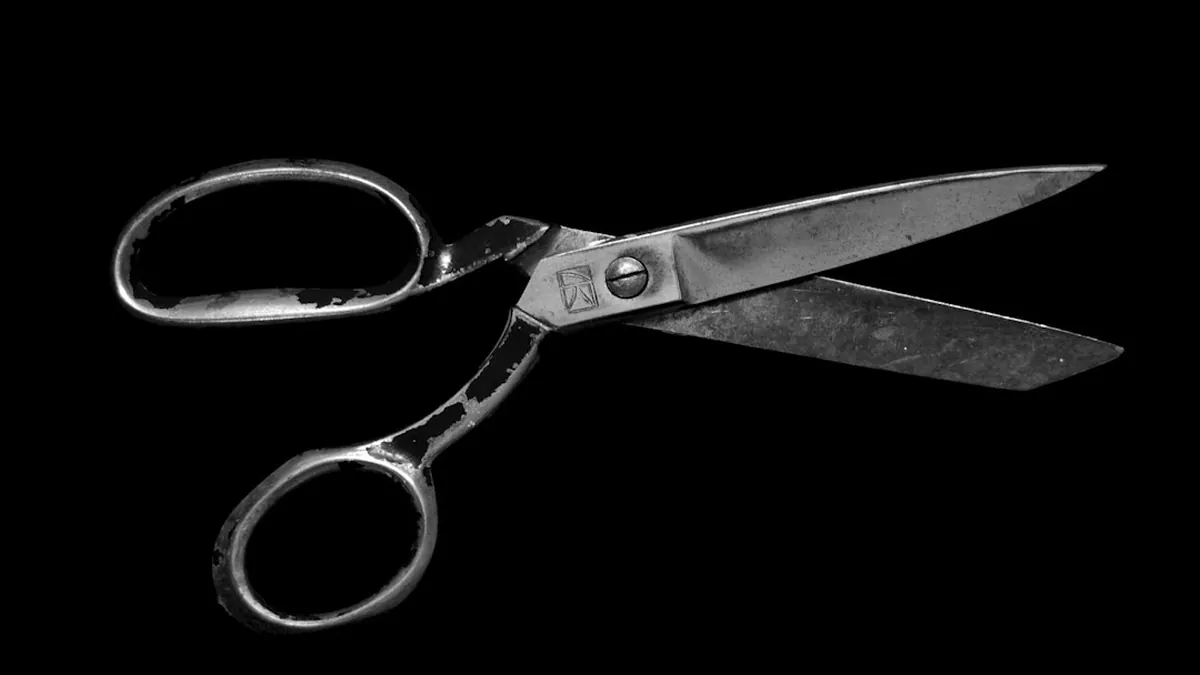
Small scissors with blades under 4 inches are allowed, but anything exceeding that measurement is an automatic confiscation. If you’re unsure about your sharp objects packing rules, the blade length measurement refers to the cutting edge only, not the total scissor length.
- Key Reality: Fabric scissors, kitchen shears, and craft scissors almost always exceed the 4-inch limit.
7. Gel Eye Masks and Cooling Face Patches

Gel-filled eye masks and hydrogel cooling patches are increasingly popular for long-haul flights, but TSA classifies the gel filling under liquid rules. Agents have confiscated these items when the gel content appears to exceed the 3.4-ounce threshold.
- Key Reality: Frozen or partially frozen gel masks may face additional scrutiny at the checkpoint.
8. Liquefied Petroleum Gas Cartridges for Camping Stoves
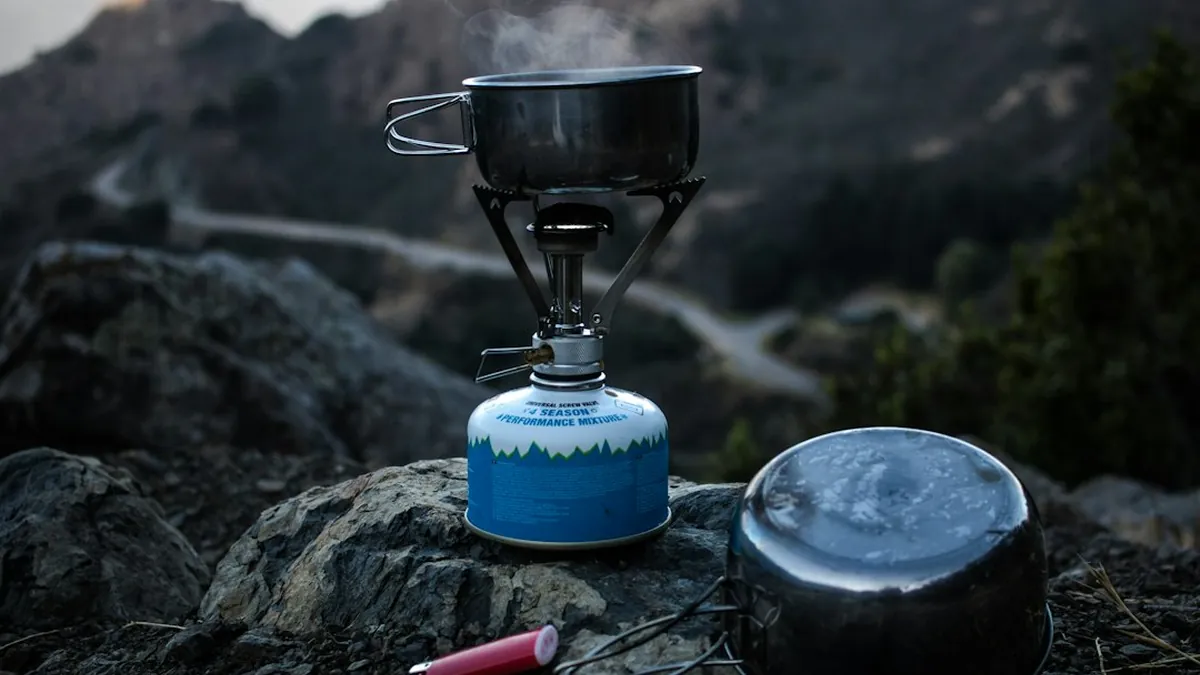
Camping enthusiasts frequently make this costly mistake — fuel cartridges for portable stoves are completely prohibited in both carry-on and checked baggage. According to TSA security screening guidelines, flammable compressed gases represent one of the highest-risk prohibited item categories.
- Key Reality: Purchase fuel cartridges at your destination rather than attempting to travel with them.
9. Certain Medications in Liquid or Gel Form
Liquid medications are generally exempt from the 3.4-ounce rule when declared to agents, but gel-form medications — including certain topical pain relievers and gel capsules in large quantities — can trigger additional screening. Failing to declare them proactively significantly increases the chance of confiscation.
- Key Reality: Always declare liquid or gel medications separately before placing bags on the X-ray belt.
10. Hobby Knife Blades and Craft Cutting Tools

Box cutters, X-Acto knives, and replacement hobby blades are explicitly prohibited in carry-on luggage regardless of blade size. Crafters and artists traveling with supplies are among the most frequently surprised passengers when these everyday carry-on packing mistakes get flagged at security.
- Key Reality: All box cutters and utility knife blades must travel exclusively in checked baggage.
11. Aerosol Cooking Spray and Cooking Oils in Spray Bottles
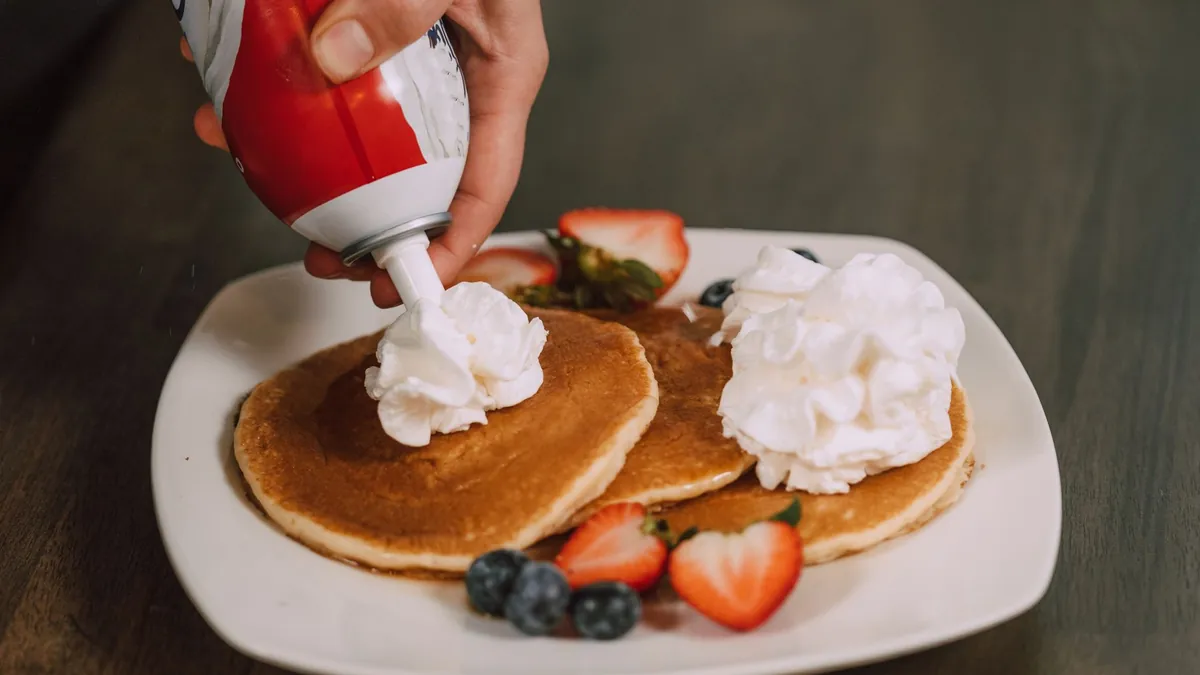
Travelers heading to vacation rentals or long-term stays often pack cooking essentials, but aerosol cooking sprays are treated identically to any other pressurized aerosol container. Even refillable oil spray bottles can be flagged if the liquid volume exceeds 3.4 ounces.
- Key Reality: Non-aerosol cooking oils in containers under 3.4 ounces are the only permitted carry-on option.
12. Dental Floss Containers with Built-In Cutting Blades
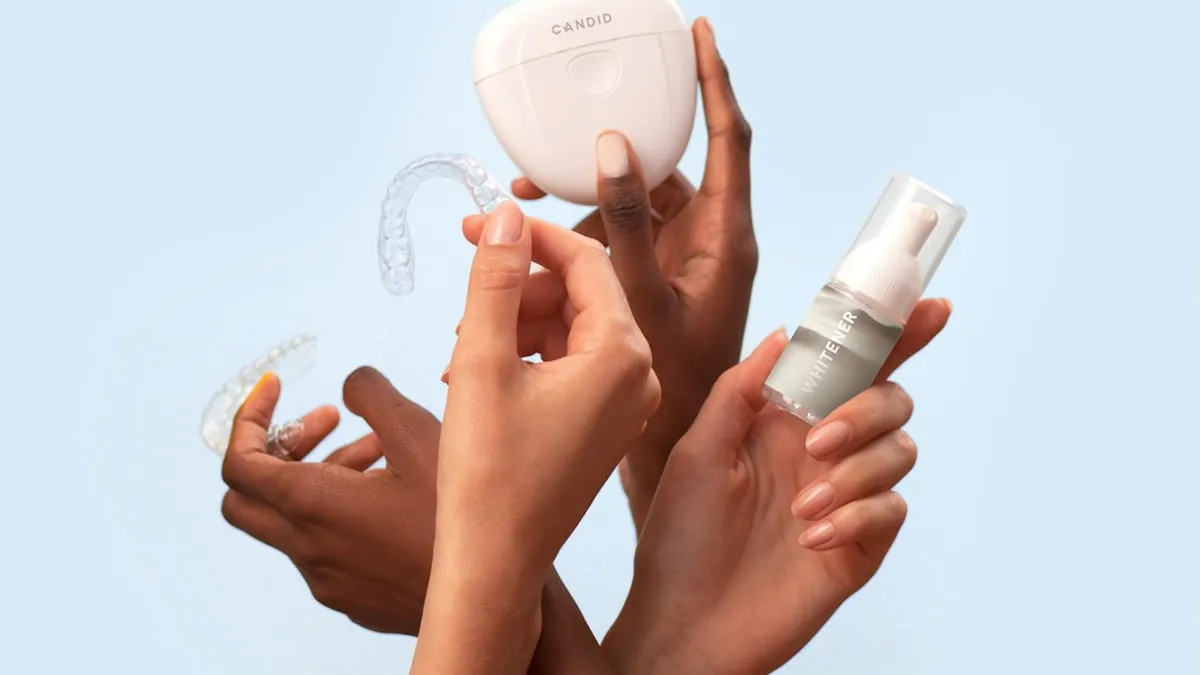
Most standard dental floss dispensers include a small serrated metal cutting blade, which technically qualifies as a sharp object under TSA guidelines. While agents rarely flag these, the decision is entirely at the officer’s discretion — and some travelers have lost them.
- Key Reality: Blade-free or plastic-cutter floss dispensers eliminate any ambiguity at the checkpoint.
13. Certain Types of Powders Exceeding 12 Ounces
[IMG_ITEM_13