7 Packing Mistakes for Europe in Late September

As participants in Amazon Associates and other programs, we earn from qualifying purchases. This comes at no additional cost to you. For more details, see our Affiliate Disclosure.
Late September in Europe carries a seductive promise — golden light, thinner crowds, and vacation rental deals that summer travelers never see. Yet thousands of visitors arrive each year dramatically underprepared, their suitcases packed for the wrong version of autumn entirely.
The core problem is that “September in Europe” is not a single climate — it’s a spectrum stretching from Lisbon’s lingering warmth to Copenhagen’s sharp, wet chill. The packing mistakes Europe September travelers repeat most often stem from treating the continent as one monolithic destination rather than a mosaic of microclimates and cultural expectations.
1. Ignoring Regional Temperature Fluctuations Across European Destinations
Barcelona can still hit 28°C in late September while Prague dips to 10°C at night — sometimes within the same week of your itinerary. Packing for 1 climate when you’re crossing 3 countries is a guaranteed recipe for discomfort. Research each destination individually and build your packing list around the coldest stop.
- Key Reality: A 15-degree swing between cities is entirely normal across a 2-week multi-country European itinerary in September.
2. Overpacking Heavy Winter Coats When Layering Suffices for Transitional Weather

A bulky parka consumes roughly 40% of a carry-on’s usable volume — space that 3 versatile layers could occupy far more efficiently. September’s transitional temperatures rarely demand true winter insulation; they demand smart stacking of breathable, packable pieces. Leave the heavy coat at home and invest in a quality down gilet instead.
- Key Reality: A packable down gilet weighs under 300 grams and replaces the thermal function of a coat that weighs 10 times as much.
3. Neglecting Waterproof Outerwear During Europe’s Autumn Rain Season

September marks the beginning of Atlantic weather systems pushing rain across Ireland, France, and northern Spain with increasing regularity. A lightweight, packable rain shell is arguably the single highest-value item in your September bag. Skipping it means buying an overpriced tourist-district umbrella within 48 hours of landing.
- Key Reality: Rain shells weighing under 200 grams are widely available and compress to the size of a water bottle.
4. Selecting Inappropriate Footwear for Mixed Urban and Rural Terrain

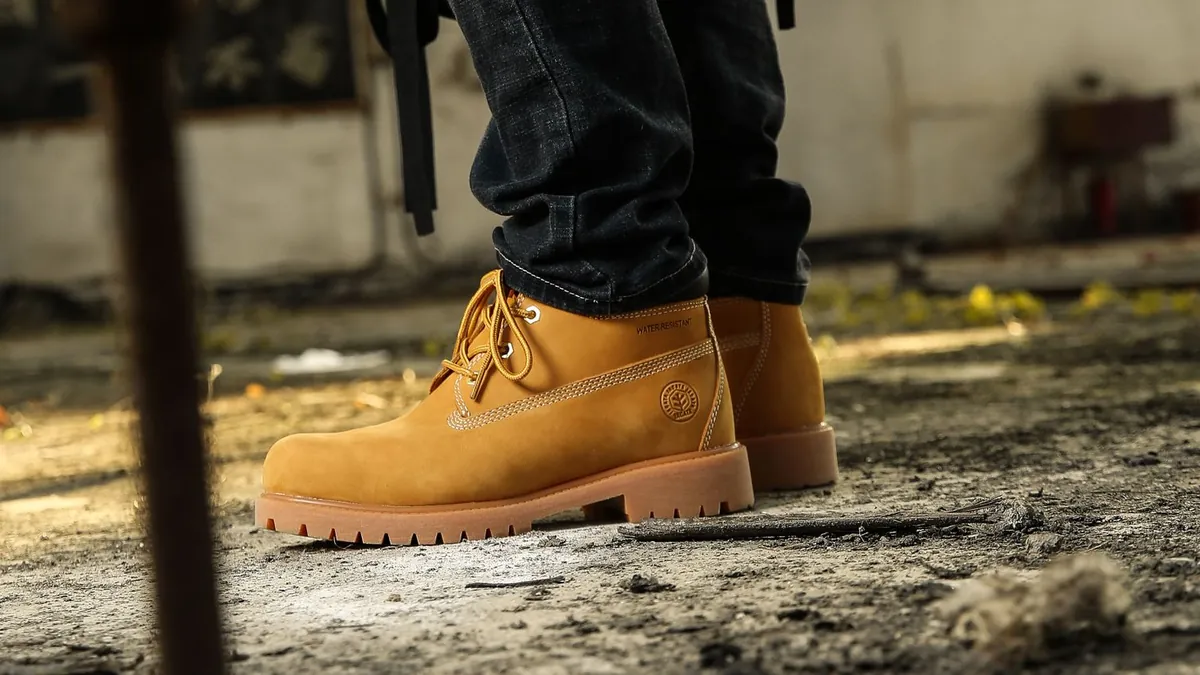
Cobblestone streets in Rome, muddy vineyard paths in European wine valleys, and cathedral marble floors demand entirely different footwear logic. Packing only fashion sneakers or, worse, flip-flops creates both physical pain and cultural friction. A waterproof walking shoe with ankle support handles all 3 environments without compromise.
- Key Reality: Blisters are the #1 trip-disrupting physical complaint among first-time European travelers, according to travel health professionals.
5. Forgetting Universal Power Adapters for Diverse European Electrical Standards
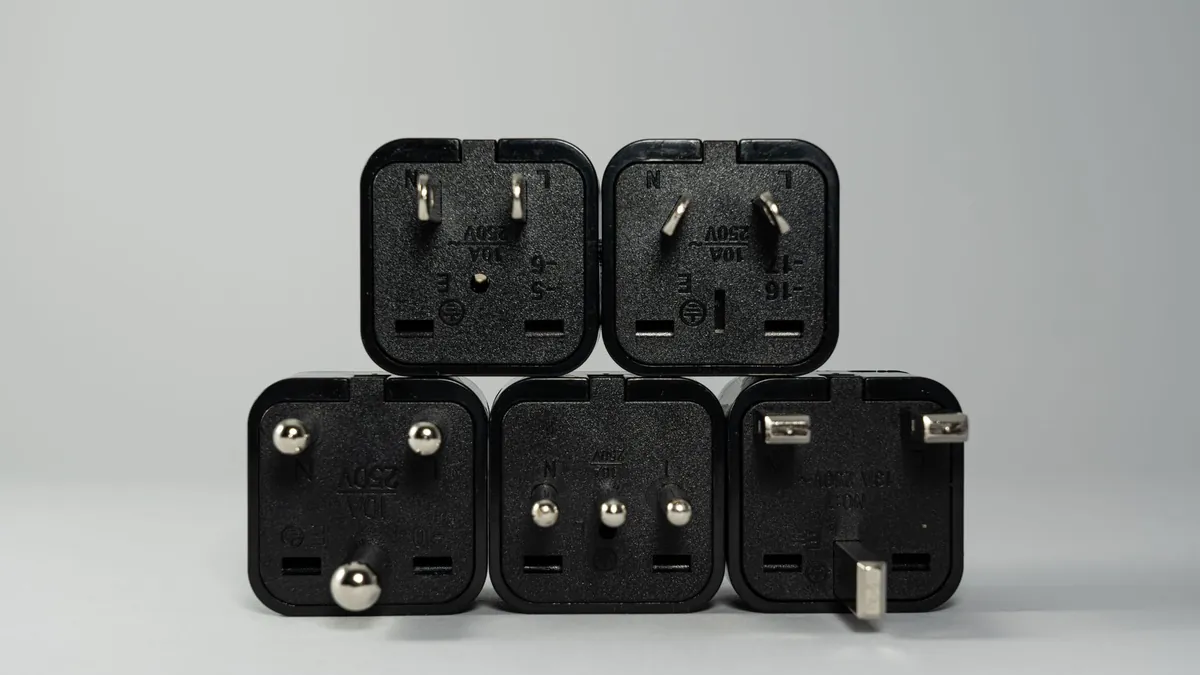
Europe operates on 220-240V systems using Type C, E, F, G, and K plugs depending on the country — and your North American devices will not survive a direct connection. A single universal adapter with USB-C ports handles every scenario across all 27 EU member states. Buying one at an airport kiosk typically costs 3 times the retail price.
- Key Reality: Airport adapter prices average 35 to 50 dollars versus 12 to 18 dollars ordered in advance online.
6. Packing Excessive Clothing Without Considering Laundry Facilities and Travel Duration

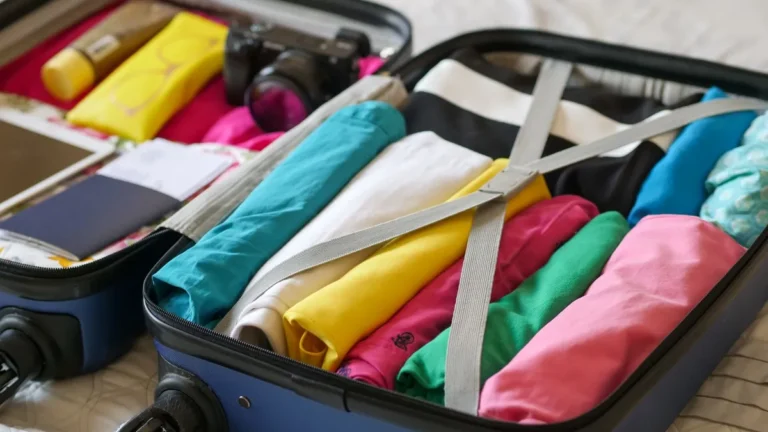
Most European accommodations — from budget hostels to boutique hotels — offer coin laundry or laundry service, making a 14-outfit suitcase for a 10-day trip completely unnecessary. Overpacking clothing is the leading cause of checked-bag fees that quietly inflate travel budgets by 80 to 120 dollars per round trip. Plan for 5 to 6 outfits maximum and build in 1 laundry day mid-trip.
- Key Reality: Self-service laundromats across Europe typically cost 4 to 8 euros per full wash-and-dry cycle.
7. Underestimating the Need for Versatile Mid-Layer Pieces in Unpredictable September Conditions
According to Pieter on Tour’s guide to European sacred spaces, supervisory personnel at Berlin Cathedral are authorized to deny entry to guests wearing off-the-shoulder or overly revealing clothing — making a lightweight cardigan or scarf a cultural necessity, not just a warmth strategy. Mid-layers also address the most common health risks for travelers in Europe, which AXA Schengen identifies as foodborne illnesses, insect bites, and seasonal flu — all worsened by temperature mismanagement. Pack at least 2 versatile mid-layers that can dress up for cathedrals and layer down for afternoon café terraces.
- Key Reality: A merino wool cardigan serves as a church cover-up, evening layer, and light insulator — replacing 3 single-purpose garments in 1 item.
The most costly packing mistakes Europe September travelers make aren’t about forgetting items — they’re about misjudging the continent’s diversity and September’s deceptive in-between character. Pack with intentional versatility and you’ll move lighter, dress appropriately, and spend your euros on experiences instead of emergency gear. Drop your own September packing wins or disasters in the comments below — the community wants to hear what actually worked for you.