10 Everyday Items Never to Pack in Checked Luggage
As participants in Amazon Associates and other programs, we earn from qualifying purchases. This comes at no additional cost to you. For more details, see our Affiliate Disclosure.
Knowing what not to pack in checked luggage can save you from fines, confiscated items, and serious safety consequences at 35,000 feet.
Air transport dangerous goods prohibitions exist because the margin for error at altitude is effectively zero. These 10 items are the most commonly mishandled — and the most dangerous.
1. Lighters and Lighter Fluid
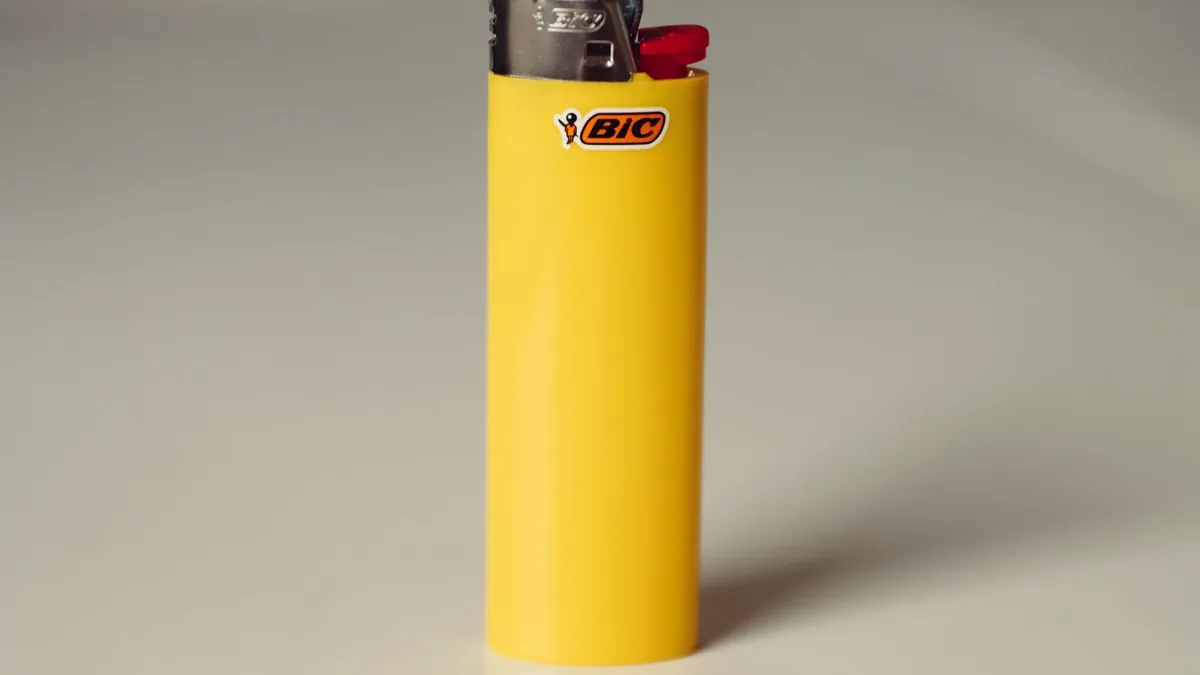
Lighters are allowed in carry-on bags but strictly banned in checked luggage due to pressurization risks. Lighter fluid is prohibited entirely on all flights per TSA’s official prohibited items list.
- Key Takeaway: One disposable lighter is permitted in your carry-on only — never in checked bags.
2. Aerosol Sprays and Deodorants
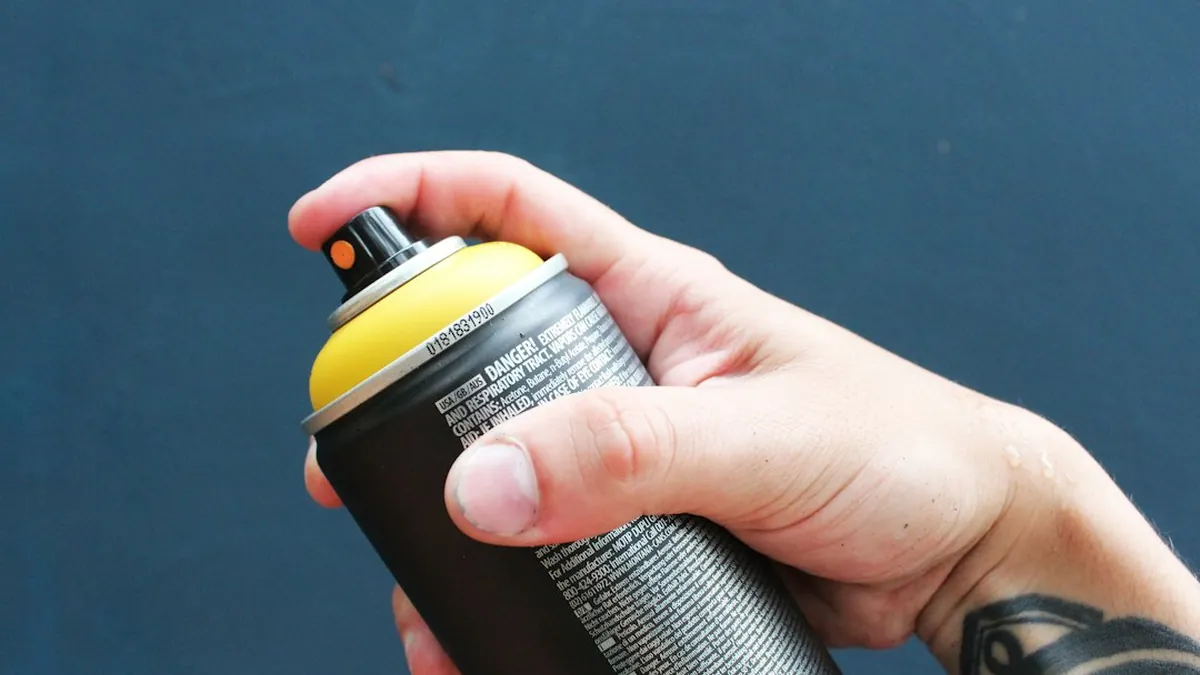
Most aerosols are flammable and pressurized, making them a hazard in cargo holds. Non-flammable toiletry aerosols under 100ml may be allowed in carry-on bags with restrictions.
- Key Takeaway: Stick or roll-on deodorants are the safest travel alternative to aerosol sprays.
3. Sharp Objects Including Knives and Scissors
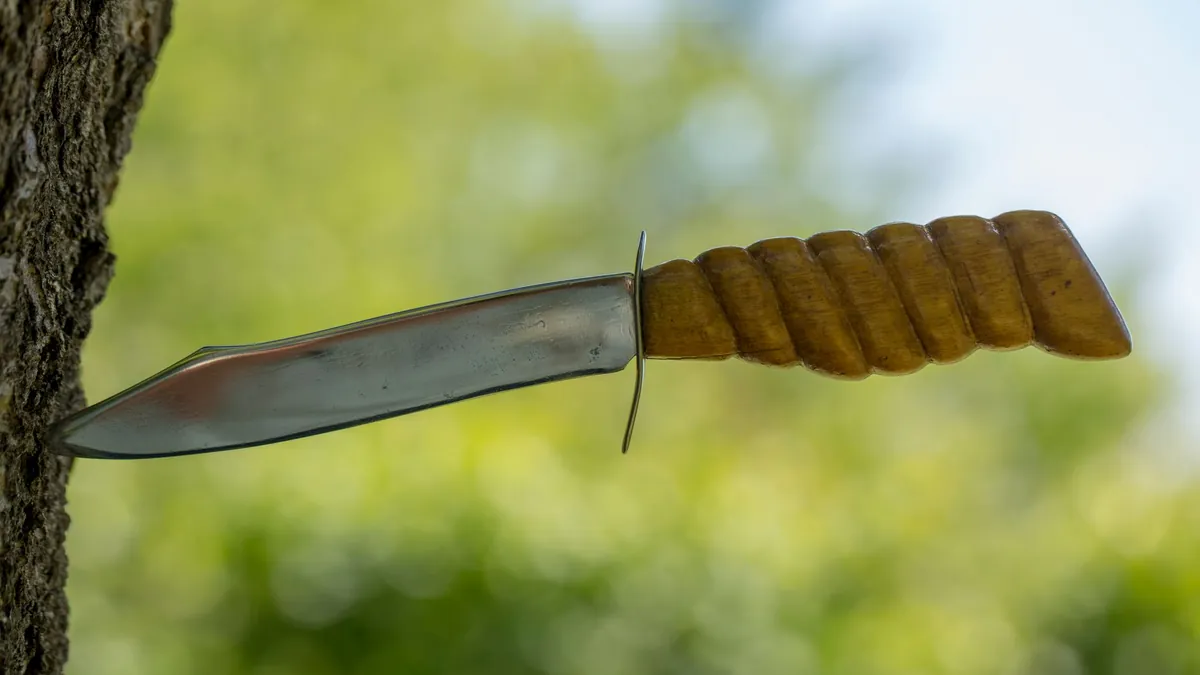
Sharp objects like knives are actually permitted in checked luggage but must be sheathed or wrapped securely. Blades in carry-on bags are confiscated immediately at security screening.
- Key Takeaway: Always sheath sharp items and declare them properly when checking your bag.
4. Lithium-Ion Batteries and Power Banks

Lithium-ion batteries can short-circuit and ignite fires in unpressurized cargo holds where crew cannot respond. Power banks and spare batteries must travel in your carry-on bag only.
- Key Takeaway: Batteries installed in devices may go in checked bags; loose spare batteries cannot.
5. Prescription Medications and Inhalers
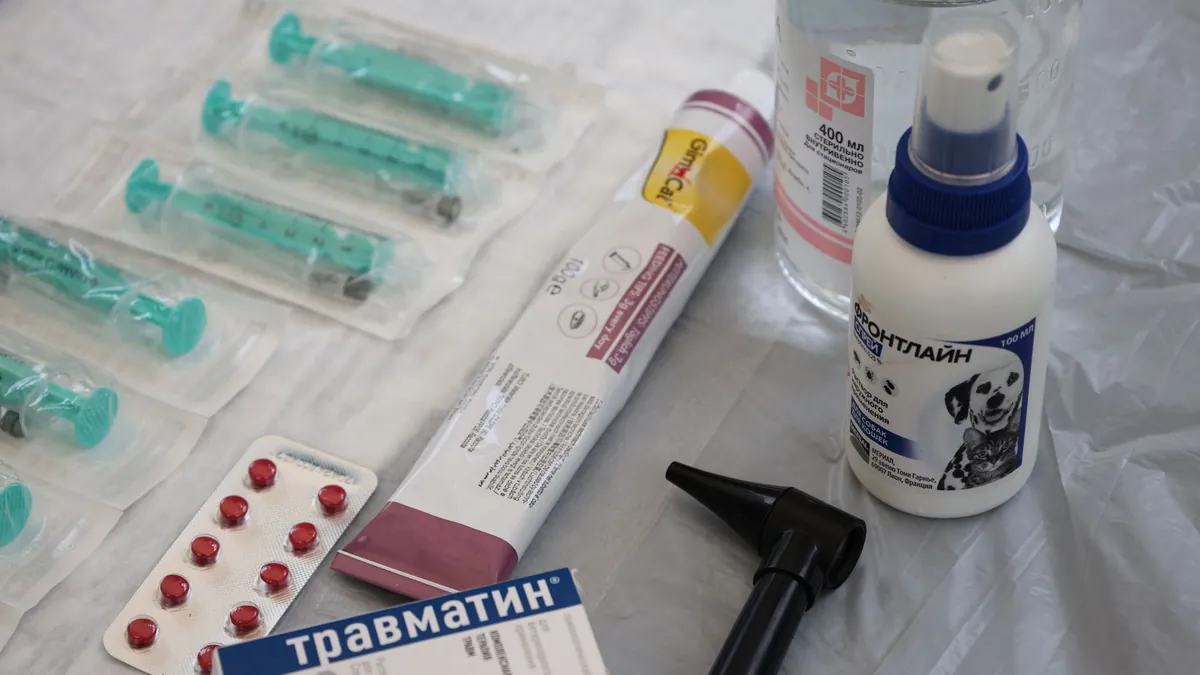
Checked bags get lost or delayed — if your medication is inside, you could face a medical emergency. Always keep prescriptions, inhalers, and critical medications in your personal carry-on bag.
- Key Takeaway: Carry a minimum 2-day supply of all medications on your person at all times.
6. Jewelry and Valuable Electronics

Checked baggage theft is a documented reality, and airlines offer minimal liability for valuables. If you’re packing for an extended trip, review what to pack for two weeks abroad to prioritize smartly.
- Key Takeaway: Airlines typically cap liability for lost valuables well below their actual market value.
7. Fireworks and Explosive Materials

Fireworks are completely banned in both checked and carry-on luggage on all commercial flights globally. According to air transport dangerous goods guidelines, explosive materials represent the highest risk category for aviation safety.
- Key Takeaway: Violating explosive material rules can result in federal criminal charges, not just fines.
8. Pepper Spray and Self-Defense Devices
Pepper spray is banned in carry-on bags but one small container (under 4 oz) may be allowed in checked luggage on some airlines. Stun guns and tasers are prohibited entirely on most international carriers.
- Key Takeaway: Always verify your specific airline’s self-defense item policy before you pack.
9. Flammable Liquids and Nail Polish

Nail polish and nail polish remover are classified as flammable liquids and are banned from checked luggage. Small quantities in carry-on bags may be permitted under the standard 100ml liquid rule.
- Key Takeaway: When in doubt, ship flammable beauty products to your destination ahead of your trip.
10. Firearms and Ammunition
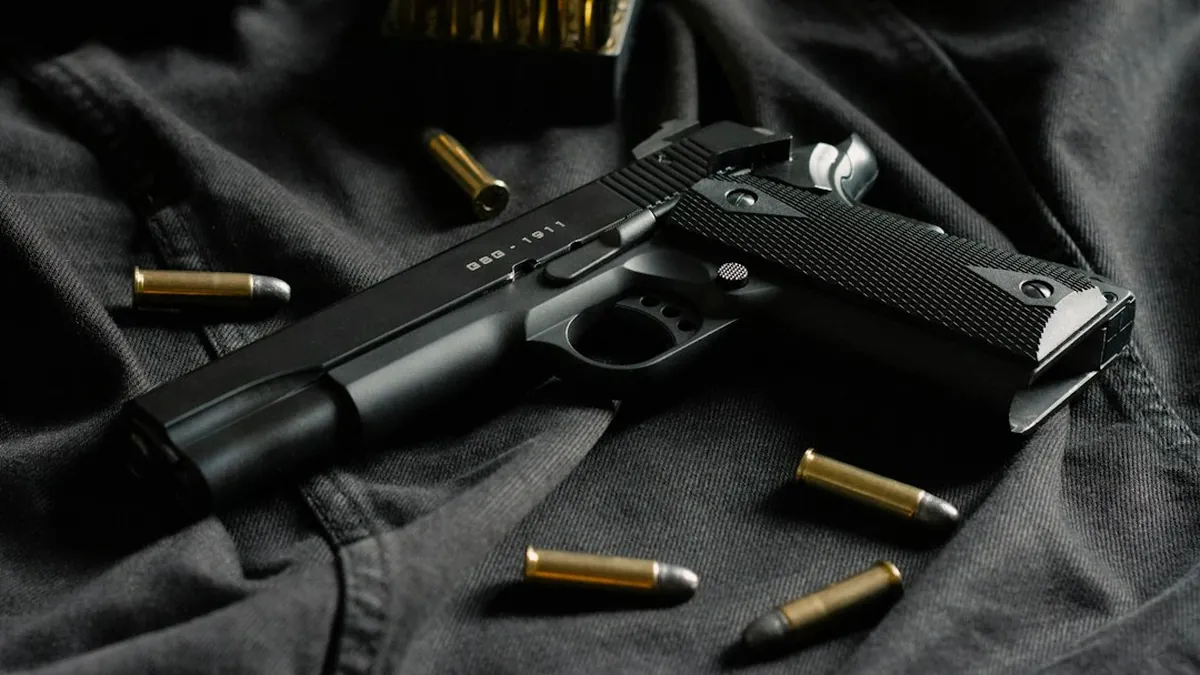
Unloaded firearms may travel in checked luggage only when declared at check-in and stored in a hard-sided locked case. International guidelines recommend checked bags not exceed 23 kg (50 lb) — a firearms case can push you over fast.
- Key Takeaway: Ammunition must be in its original packaging and declared separately alongside any firearm.