Why Flight Attendants Dim Cabin Lights During Takeoff
As participants in Amazon Associates and other programs, we earn from qualifying purchases. This comes at no additional cost to you. For more details, see our Affiliate Disclosure.
That sudden dimming of cabin lights before takeoff isn’t about ambiance—it’s a deliberate, regulation-backed safety procedure every commercial airline follows.
Emergency Evacuation Readiness and Rapid Eye Adaptation
Takeoff and landing are statistically the most dangerous phases of any flight. If an emergency occurs immediately after wheels-up, passengers need their eyes already adjusted to low-light conditions outside the aircraft.
Human eyes can take up to 30 minutes to fully adapt from bright light to darkness. Dimming the cabin early compresses that window, giving passengers a critical head start if they need to evacuate into a dark environment.
Under 14 CFR 25.803, any aircraft with more than 44 passenger seats must evacuate every passenger within 90 seconds using only half the available exits. Pre-adapted eyes make that 90-second window survivable, as aviation safety experts consistently confirm.
Enhanced Crew Situational Awareness During Critical Flight Phases
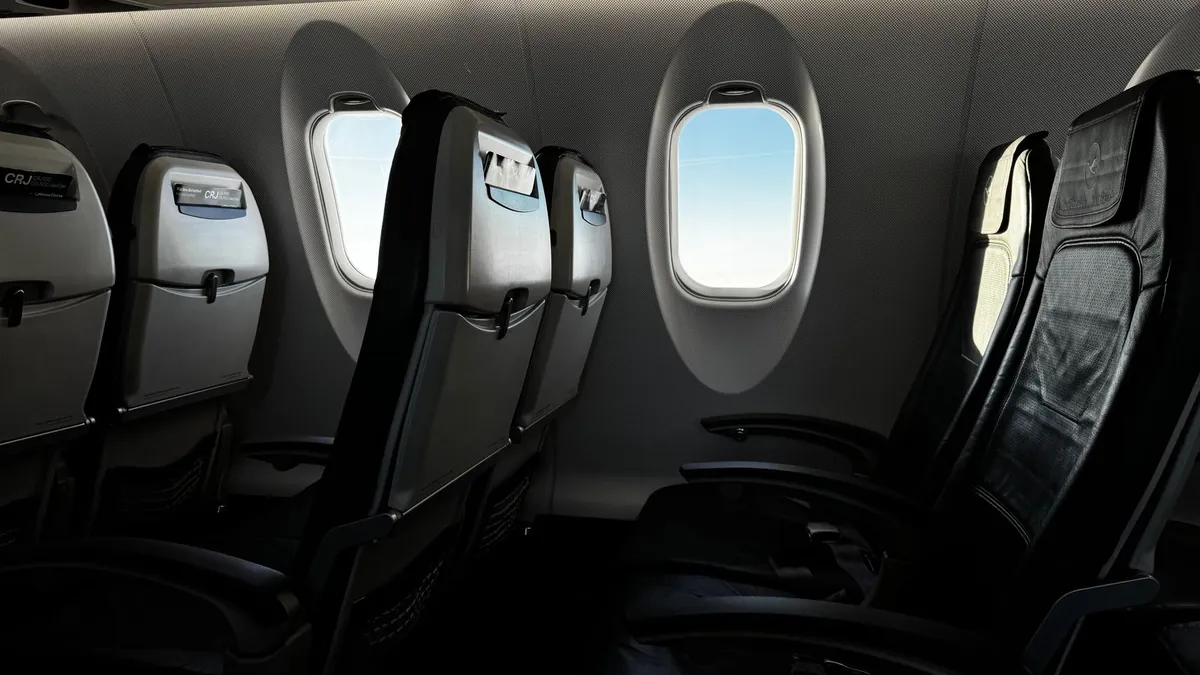
Flight attendants use the dimmed environment to assess the cabin more accurately. Bright interior lighting creates glare on windows, blocking their view of external conditions like fire or smoke on the fuselage.
Reduced cabin light lets crew members spot outside hazards instantly without moving from their jump seats. That immediate situational awareness can determine how fast an evacuation command gets issued.
Illuminated Emergency Pathway Visibility and Safety Protocols
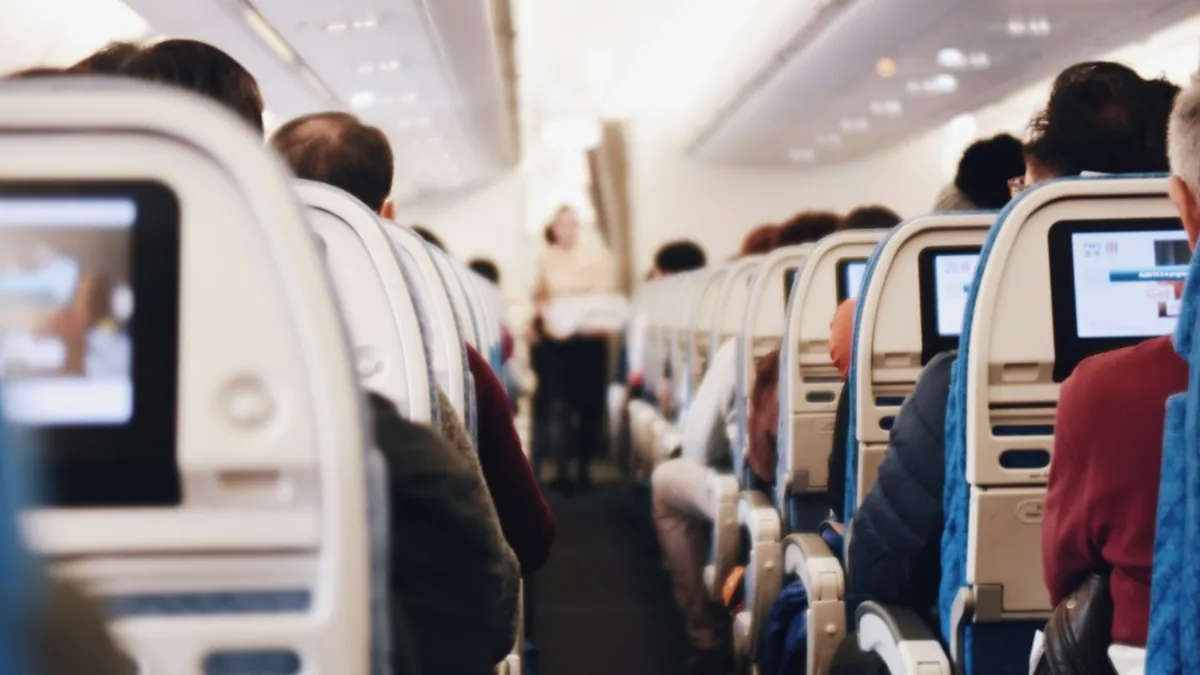
Floor-level emergency lighting must meet a minimum standard of 1 foot-candle (10.8 lux) measured at the floor surface. When overhead cabin lights are bright, those low-level pathway lights become nearly invisible by contrast.
Dimming overhead lights makes floor-path lighting dramatically more visible. Passengers instinctively follow lit floor strips during evacuations, and that visibility only works when ambient light isn’t competing with it.
Passenger Orientation and Ground Reference During Takeoff Operations
Dimmed lights also help passengers maintain spatial orientation relative to the outside environment. Bright interiors create a mirror effect on windows, making it impossible to judge aircraft attitude or outside conditions.
If you’re building smarter travel habits, reviewing flight attendant survival strategies reveals just how many in-flight procedures exist purely for passenger safety. The dim lights aren’t a minor detail—they’re one of the simplest, most effective safety tools on any commercial aircraft.