14 Flight Attendant Secrets for Surviving Red-Eye Flights
As participants in Amazon Associates and other programs, we earn from qualifying purchases. This comes at no additional cost to you. For more details, see our Affiliate Disclosure.
Flight attendants work red-eye flights every week — and they’ve mastered the art of surviving them.
These 14 red-eye flight tips are pulled straight from cabin crew experience to help you land rested, not wrecked.
1. Book the Rear Window Seat
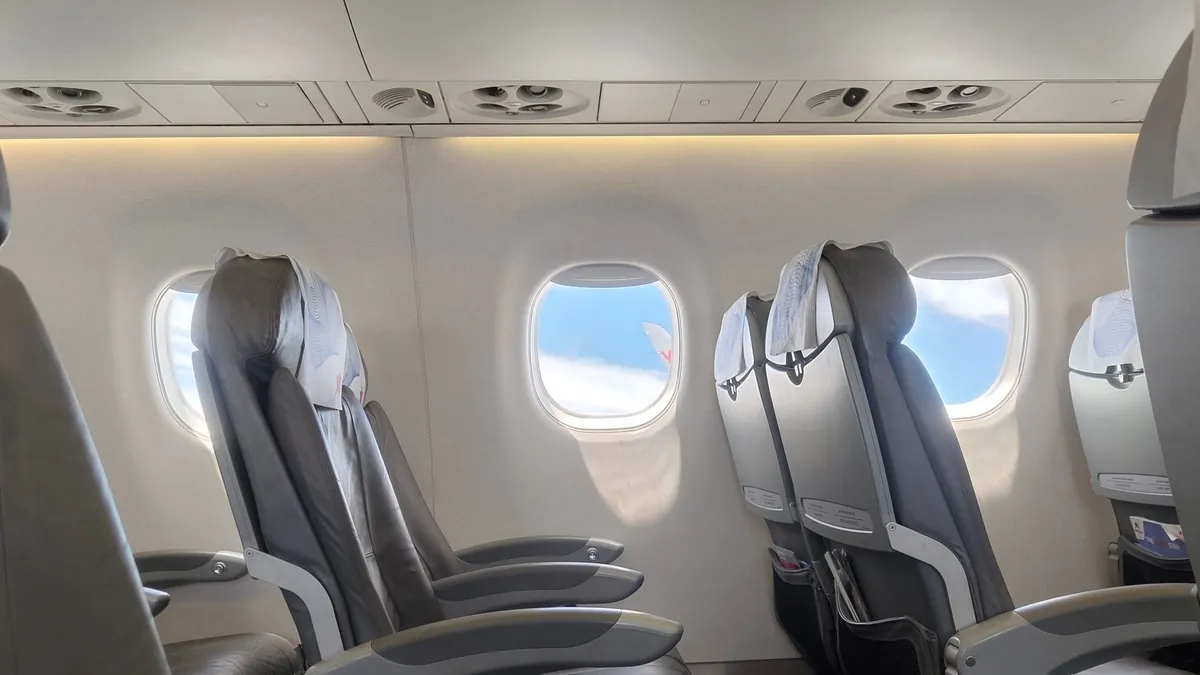
Window seats at the back of the cabin sit furthest from galley activity, reducing noise and light interruptions. Fewer disturbances means longer, unbroken sleep cycles on overnight routes.
- Key Takeaway: Rear window seats are the quietest real estate on any red-eye aircraft.
2. Shift Your Sleep Schedule Early
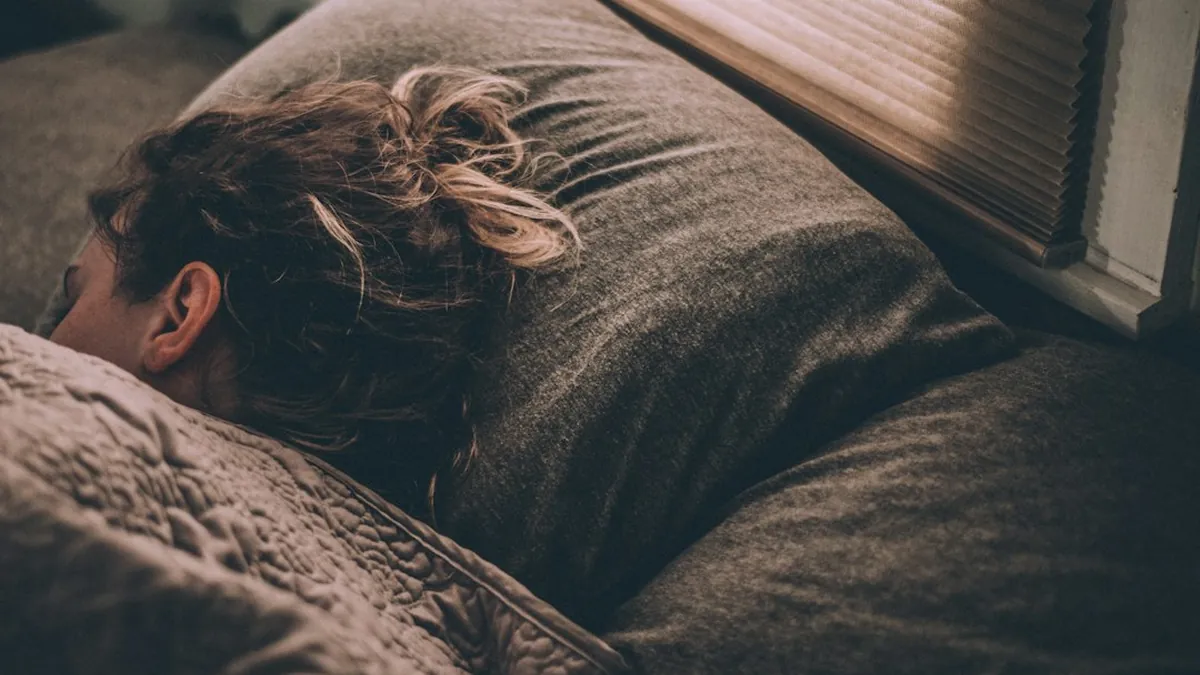
Adjust your bedtime 20–30 minutes earlier each night for 2–3 days before departure. This gradual shift aligns your body clock with the flight’s sleep window before you even board.
- Key Takeaway: Pre-adjusting your schedule dramatically reduces how long it takes to fall asleep mid-flight.
3. Wear Loose, Moisture-Wicking Layers

Cabin humidity typically sits between 10–20%, far below the 40–50% found in buildings, according to the UK Civil Aviation Authority. Moisture-wicking, breathable layers help your body regulate temperature and stay comfortable despite that dry air.
- Key Takeaway: Restrictive clothing worsens circulation and disrupts sleep — dress for comfort, not style.
4. Use a Memory Foam Neck Pillow
A quality memory foam neck pillow provides cervical support that standard travel pillows simply can’t match. It eliminates the head-bobbing that jolts you awake and ruins sleep continuity.
- Key Takeaway: Proper neck support is the single biggest physical factor in achieving deep sleep upright.
5. Apply a Contoured Sleep Mask
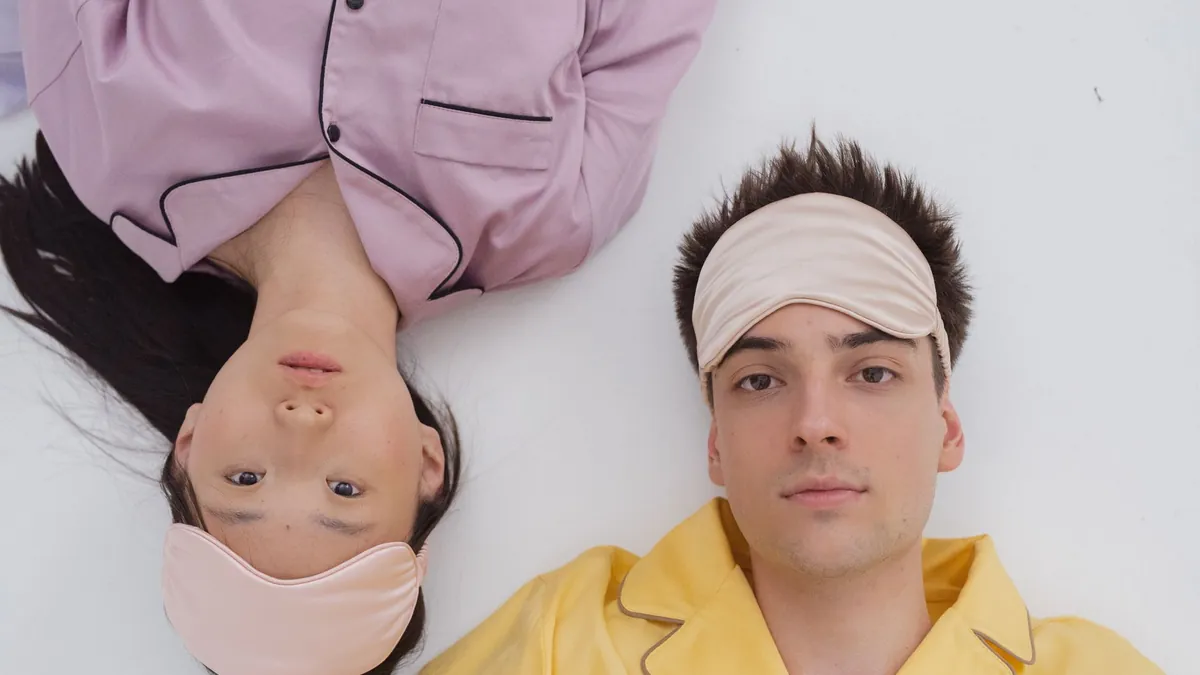
A 100% blackout sleep mask with contoured eye cups blocks all cabin light without pressing on your eyelids. This small investment dramatically improves melatonin production during the flight.
- Key Takeaway: Even dim cabin lighting suppresses melatonin — total darkness is non-negotiable for quality sleep.
6. Use Noise-Canceling Earbuds

Quality noise-canceling earbuds reduce cabin noise to 20–30 decibels, creating a near-silent sleep environment. Earplugs are a budget alternative that still cut engine roar significantly.
- Key Takeaway: Sustained cabin noise above 65 decibels actively prevents the deep sleep stages your body needs.
7. Eat Light Before You Board
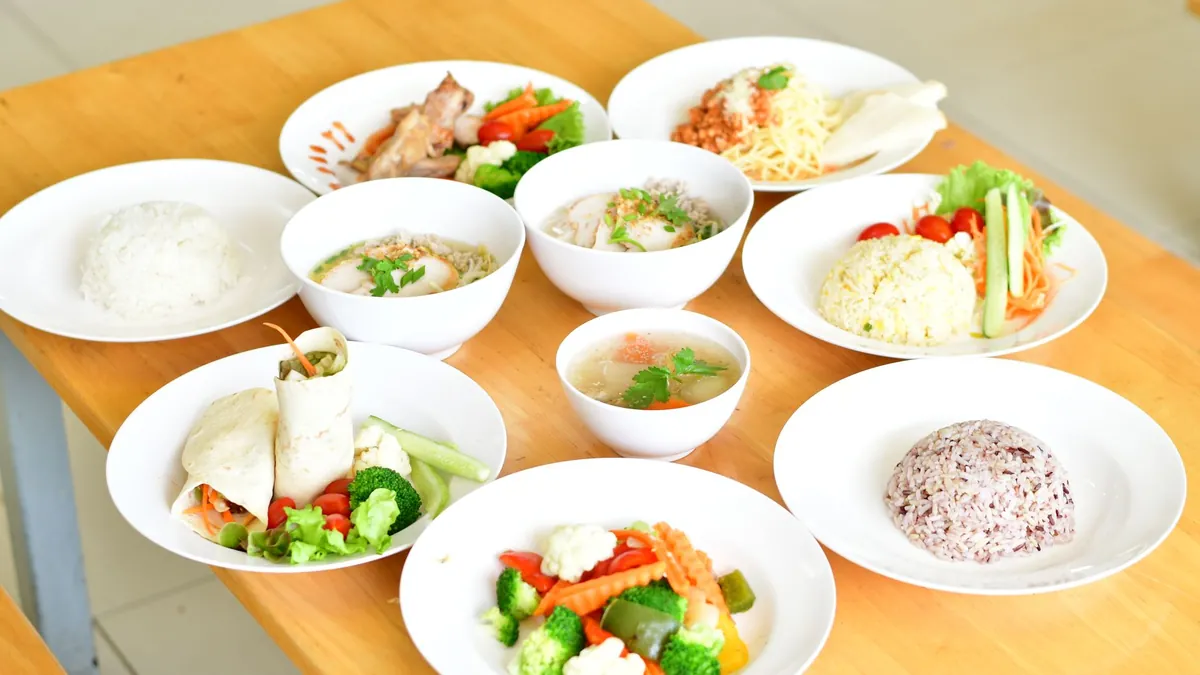
Consume a light meal 3–4 hours before your planned sleep window and skip heavy proteins and caffeine. Both interfere with melatonin production and make falling asleep at altitude significantly harder.
- Key Takeaway: A heavy pre-flight meal raises core body temperature, which actively delays sleep onset.
8. Claim Your Blanket Immediately
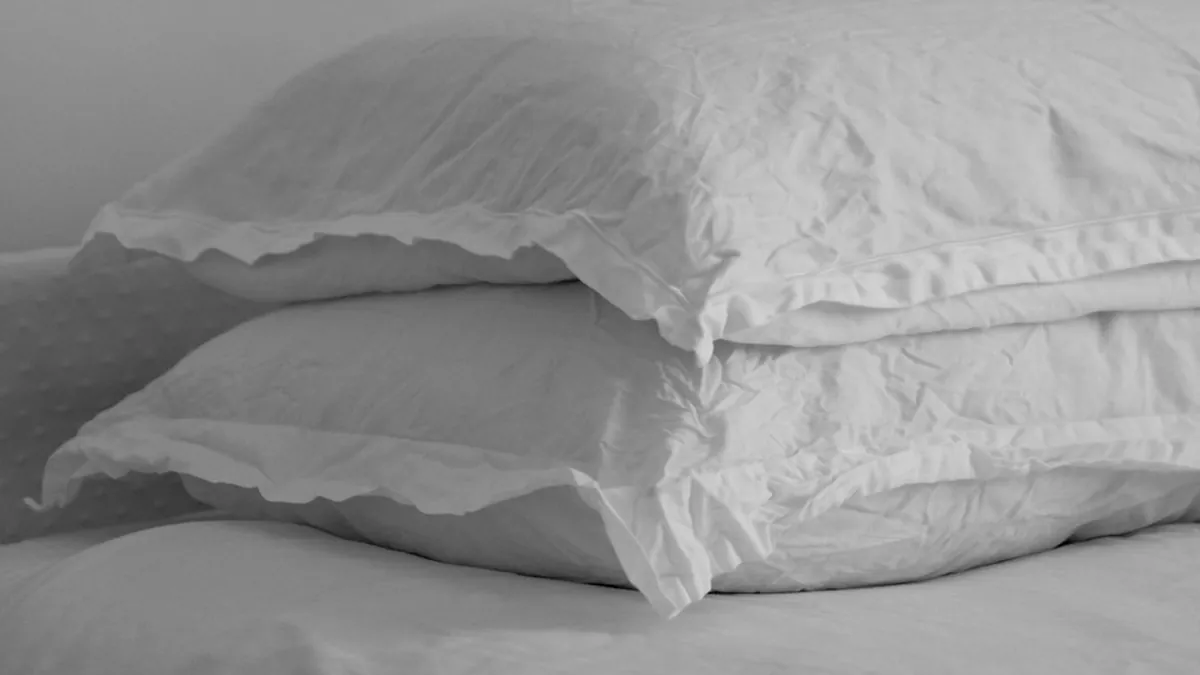
Request a blanket and pillow from flight attendants the moment you board — supplies run out fast on full flights. Setting up your sleep nest early also signals to your brain that rest is coming.
- Key Takeaway: Early boarding gives you a real advantage in securing comfort items before other passengers do.
9. Take Melatonin Strategically
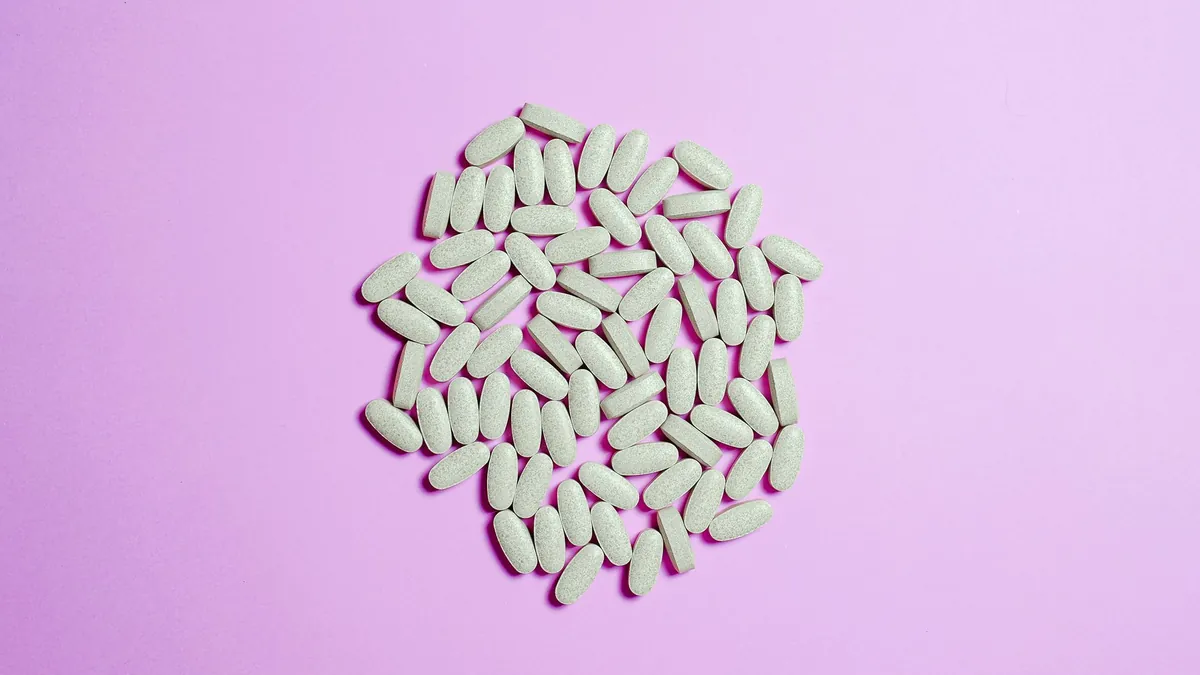
The CDC recommends melatonin for shifting the circadian clock, with a 0.5–3mg dose taken 30 minutes before your planned sleep window. Note that 5mg is the suggested initial dose for females specifically.
- Key Takeaway: Melatonin is most effective when timed precisely — random dosing produces inconsistent results.
10. Seek Bright Light Upon Arrival

Immediate bright light exposure after landing is one of the most powerful tools for resetting your internal clock. It suppresses residual melatonin and signals your body to switch into daytime mode fast.
- Key Takeaway: Morning sunlight at your destination is free, immediate, and more effective than most jet lag supplements.
11. Skip Alcohol and Sleeping Pills
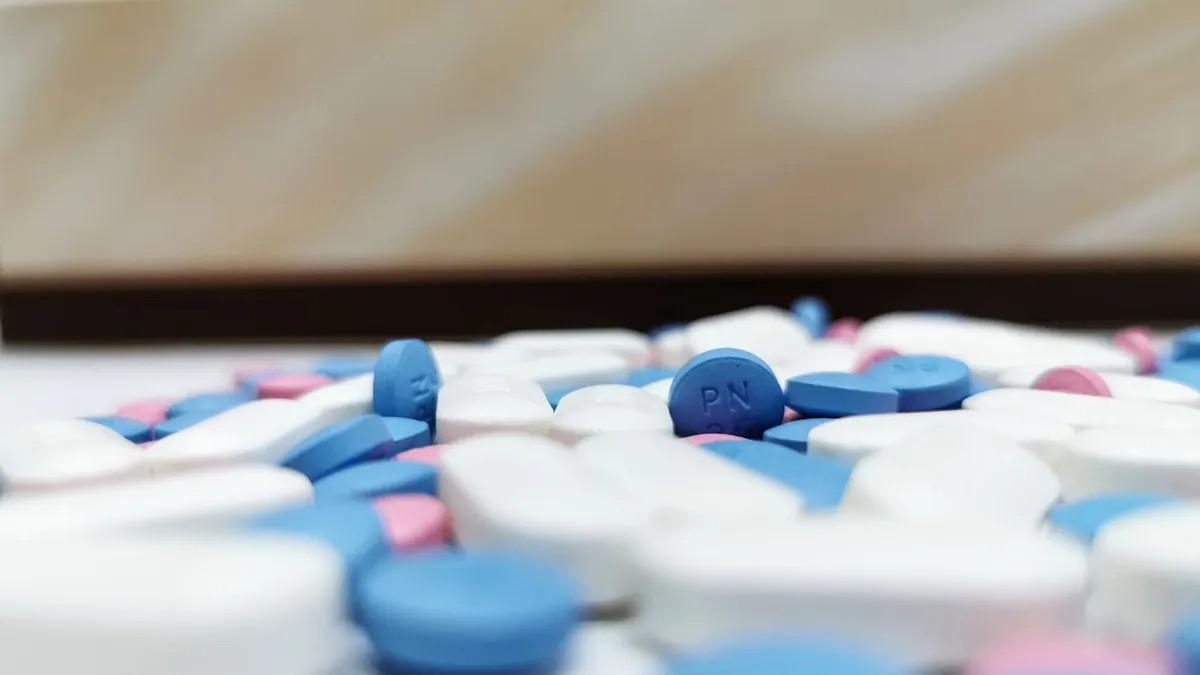
Alcohol and sleeping pills suppress REM sleep, leaving you groggy and disoriented upon landing — flight attendants see this outcome constantly. Poor sleep quality also increases blood pressure and heightens long-term heart disease risk over time.
- Key Takeaway: Sedated sleep on a plane is not restorative sleep — it’s a trap that makes jet lag worse.
12. Stretch Every Two Hours

There is a confirmed increased risk of Deep Vein Thrombosis (DVT) on red-eye flights, making movement every two hours essential. Simple isometric exercises and ankle rolls in your seat maintain circulation without disturbing fellow passengers.
- Key Takeaway: DVT risk rises sharply on flights over four hours — movement is a medical necessity, not optional comfort.
13. Pack a Portable Grooming Kit
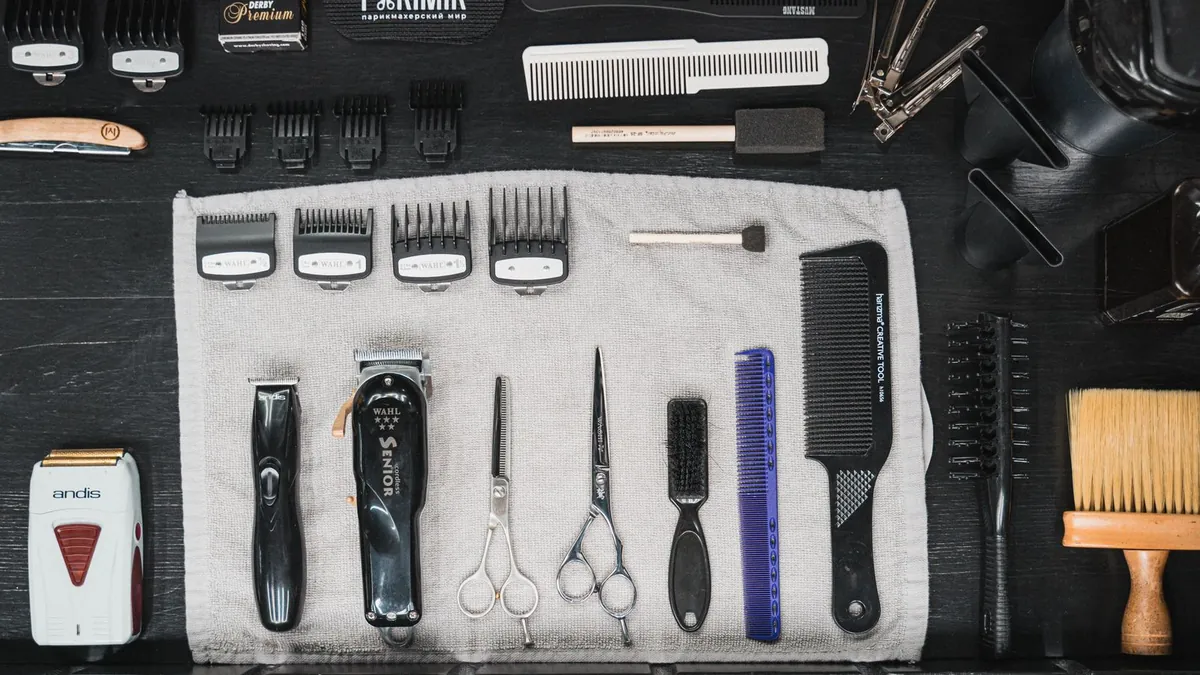
Dry shampoo, facial wipes, and mouthwash take up minimal space and transform how you feel before deplaning. Arriving refreshed matters especially when heading straight into meetings or connecting to early morning flights after a red-eye.
- Key Takeaway: A 5-minute pre-landing refresh routine dramatically improves your confidence and first impressions on arrival.
14. Choose Flights Departing Between 10 PM and Midnight
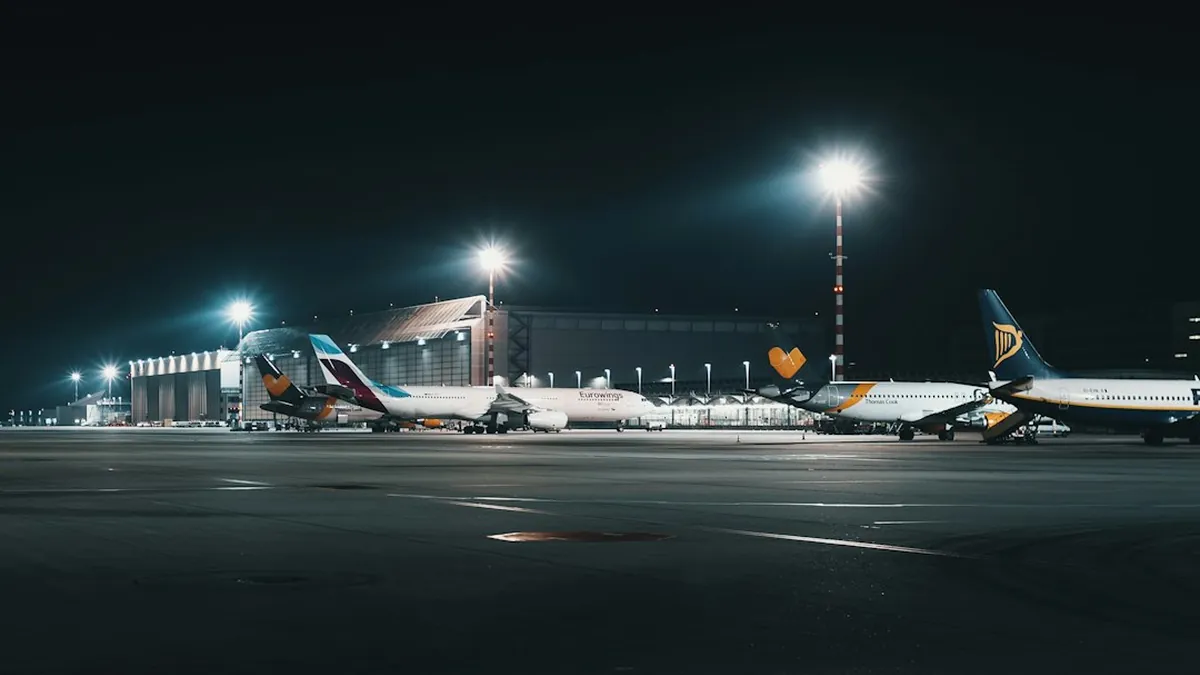
Flights departing between 10 PM and midnight align with your body