Verify Flight Changes Within 24 Hours: Why It Matters
As participants in Amazon Associates and other programs, we earn from qualifying purchases. This comes at no additional cost to you. For more details, see our Affiliate Disclosure.
Most travelers assume that booking a flight is the hardest part of planning a trip, but the real complexity begins the moment that confirmation email lands in your inbox. Airlines operate within a dense web of federal regulations, internal policies, and fare class rules that can quietly reshape your itinerary long before you ever reach the gate. Understanding what protections actually exist — and when they apply — is the difference between a smooth journey and an expensive scramble.
The widely cited “24-hour rule” is one of the most misunderstood consumer protections in commercial aviation. Many passengers believe it functions as a universal safety net, when in reality it comes with precise eligibility conditions, carrier-specific exceptions, and a ticking clock that rewards those who act fast and penalizes those who hesitate.
The DOT’s 24-Hour Rule Protects You — But Only Under Specific Conditions
Under U.S. Department of Transportation guidelines, airlines operating domestic and international flights from U.S. airports must offer either a 24-hour hold option or a full refund within 24 hours of purchase — but only when the booking is made at least 7 days before departure. This flight change cancellation window 24 hours protection is a federal standard, not a courtesy, and applies regardless of the fare type selected. Passengers who miss that 7-day threshold lose access to this protection entirely, which catches a significant number of last-minute bookers off guard.
Complications multiply when airlines undergo financial distress. As noted by the DOT’s consumer guidance, bankruptcy law is complicated and can directly affect your right to a refund — meaning that even a valid cancellation request may stall if a carrier enters insolvency proceedings. Formal complaints in these situations are governed by DOT rules contained in 14 CFR 302 subpart D, a regulatory framework most travelers have never heard of until they desperately need it.
Smart Travelers Use the Cancellation Window as a Strategic Booking Tool
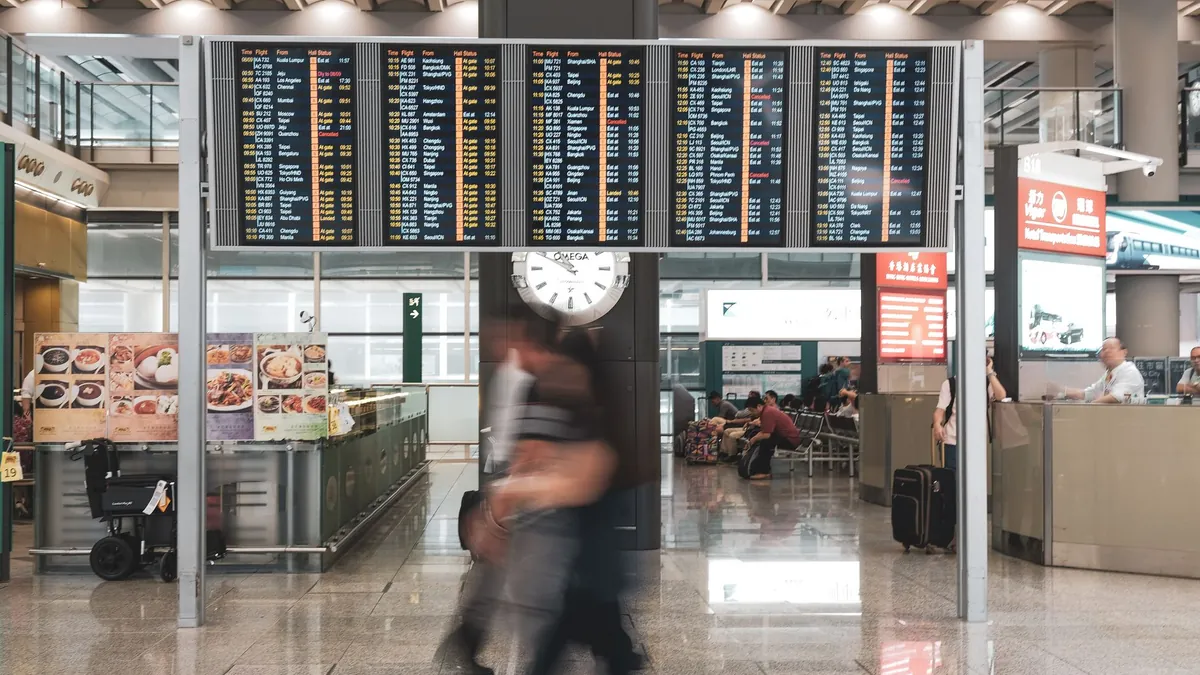
Beyond pure protection, the 24-hour window is a powerful price-monitoring tool that savvy flyers exploit deliberately. Booking a fare to lock in availability, then monitoring prices for the next 23 hours before deciding to cancel or keep the ticket, is a fully legal and increasingly common strategy — especially ahead of peak travel periods when rates shift fast. If you’re planning around high-demand dates, understanding October flight price deadlines can help you time this window with maximum financial precision.
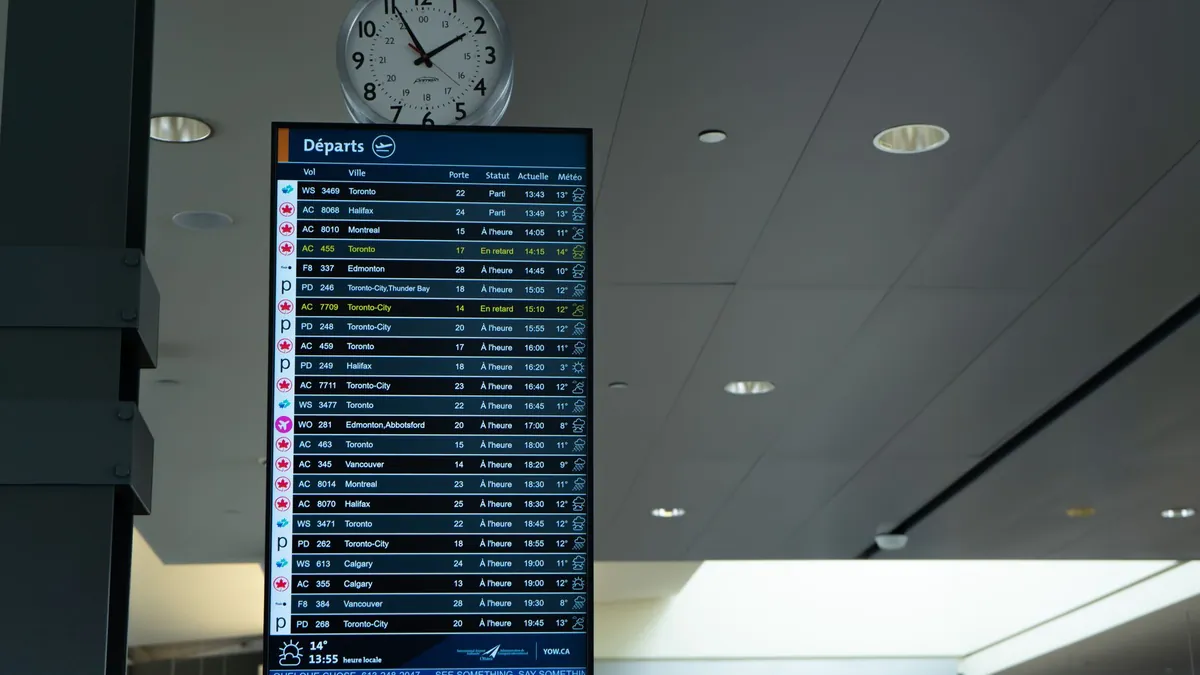
Airlines are also required to notify passengers of significant schedule changes as soon as practical, though no specific timeframe or delivery method is mandated by law for flights more than 7 days out, according to the DOT’s cancellation and delay dashboard. This gap means passengers who don’t proactively verify their itinerary before heading to the airport risk encountering changes they were never clearly informed about. If you’ve ever faced unexpected booking complications, a structured approach to airline ticket issues can prevent a minor schedule shift from becoming a full travel crisis.
The 24-hour cancellation window is one of the few genuine consumer advantages built into modern air travel, but it only delivers value to passengers who understand its boundaries and act within them deliberately. Knowing your rights before you book — not after something goes wrong — is the single most effective form of travel insurance available at zero cost. Have you ever used the 24-hour window to your advantage, or been caught off guard by a schedule change you weren’t notified about? Share your experience in the comments below.