11 Japan Etiquette Rules Every Tourist Must Know
As participants in Amazon Associates and other programs, we earn from qualifying purchases. This comes at no additional cost to you. For more details, see our Affiliate Disclosure.
Japan consistently ranks among the world’s most visited destinations, drawing millions of travelers each year with its layered culture, breathtaking temples, and legendary cuisine. Yet for all its warmth and hospitality, Japan operates on a deeply codified social framework that most Western tourists are simply never briefed on before arrival.
The gap between good intentions and genuine cultural respect is wider than most travelers realize — and small missteps can cause real offense in a society that values harmony above almost everything else. These 11 Japan etiquette rules for tourists aren’t optional suggestions; they’re the difference between being a welcomed guest and an oblivious visitor.
1. Master Chopstick Etiquette by Never Placing Them Upright in Rice
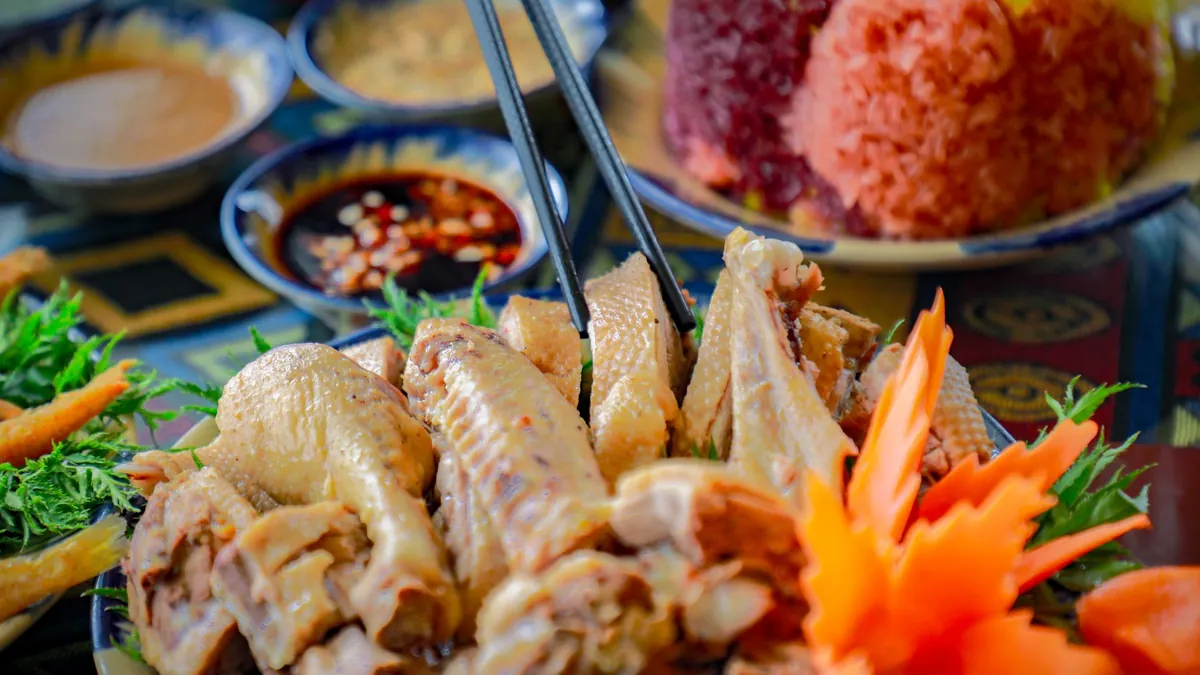
Sticking chopsticks vertically into a bowl of rice is a direct reference to Japanese funeral offerings and signals death at the dinner table. It’s 1 of the most viscerally offensive dining mistakes a tourist can make, and it happens constantly. Keep chopsticks flat on the provided rest when not in use.
- Key Reality: Most restaurants provide a ceramic chopstick rest — use it without hesitation.
2. Embrace Noodle Slurping as a Sign of Appreciation and Enjoyment
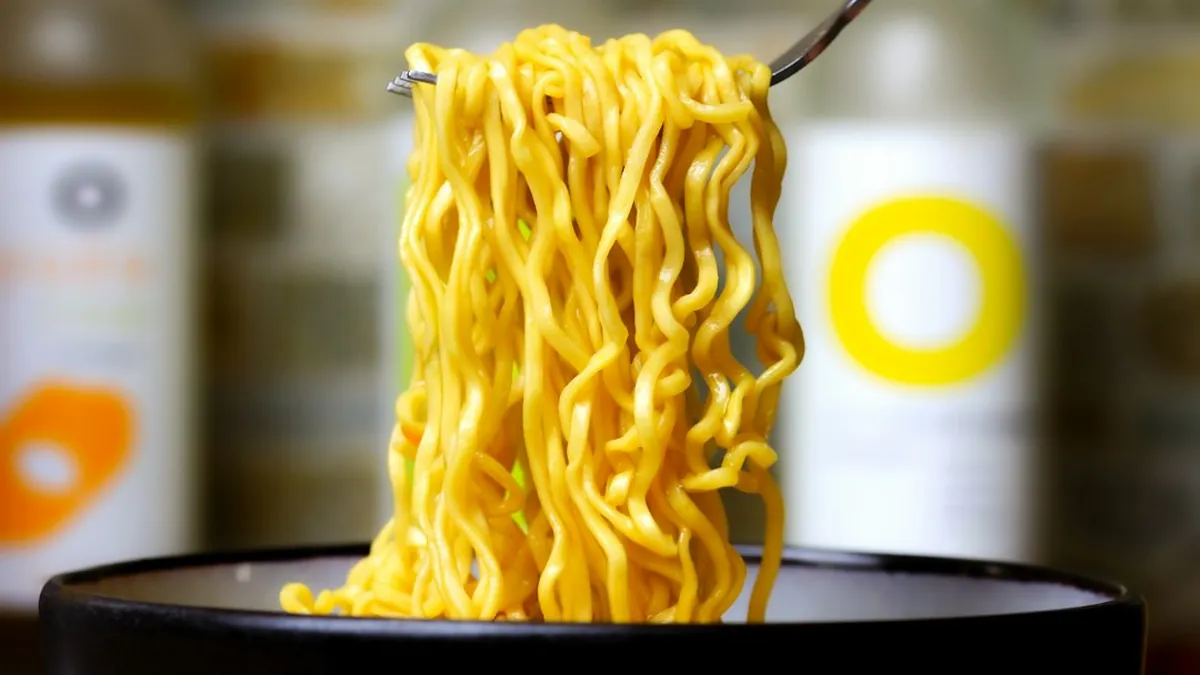
In Japan, slurping ramen or soba loudly is not rude — it’s a genuine compliment to the chef and signals you’re savoring every bite. Tourists who suppress the slurp out of Western politeness can actually appear indifferent to the meal. Lean in, and make some noise.
- Key Reality: Slurping also cools hot noodles faster, making it a practical and culturally celebrated habit.
3. Use Essential Dining Phrases Like Itadakimasu and Gochisousama
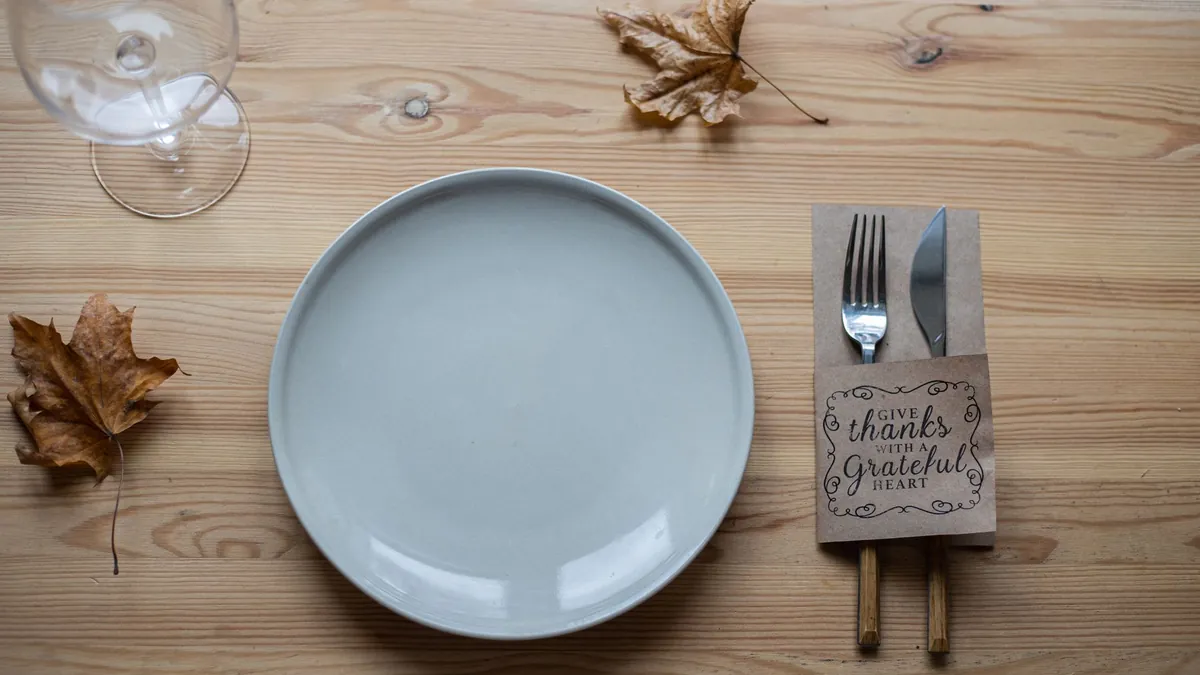
Saying “Itadakimasu” before eating and “Gochisousama deshita” after finishing are deeply embedded rituals of gratitude in Japanese dining culture. Skipping them marks you immediately as someone who hasn’t bothered to engage with the culture at even a surface level. These 2 phrases cost nothing and earn enormous goodwill.
- Key Reality: “Itadakimasu” translates roughly to “I humbly receive,” honoring everyone involved in preparing the food.
4. Respect Japan’s No-Tipping Culture Across All Service Industries
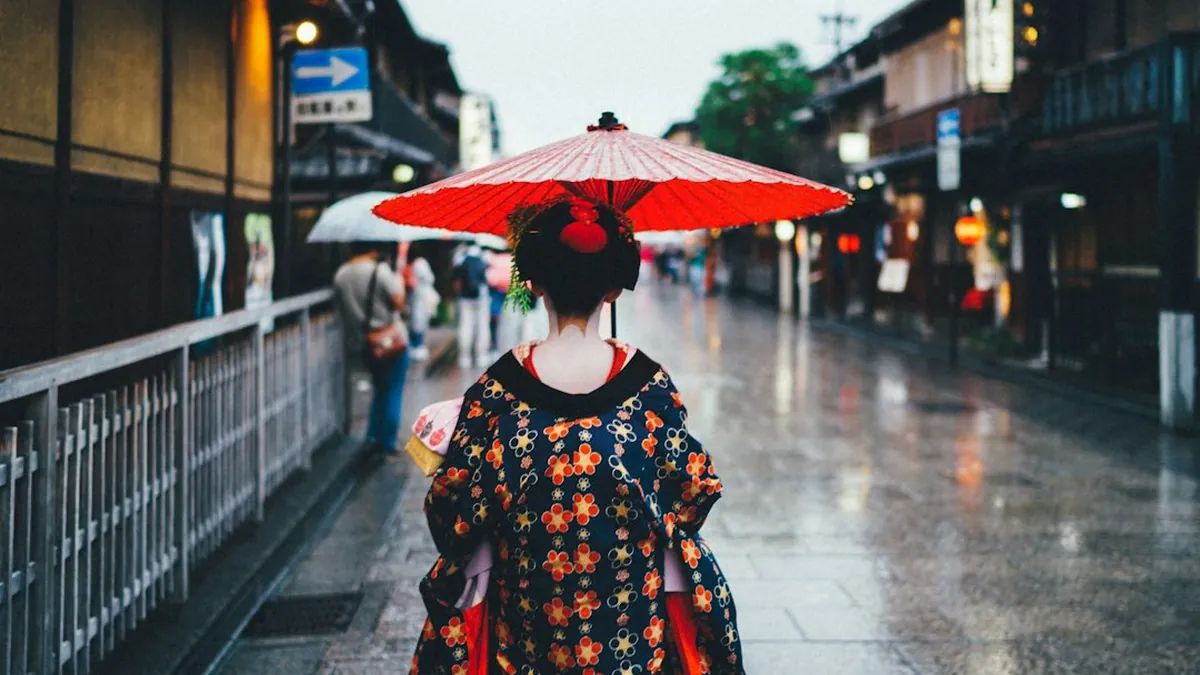
Tipping in Japan isn’t just unnecessary — it can be interpreted as condescending or even insulting, suggesting the worker needs charity. This applies to restaurants, taxis, hotels, and tour guides without exception. Before your trip, reviewing a solid travel resources guide can help you reset expectations around money etiquette abroad.
- Key Reality: Staff may chase you down the street to return money you’ve left behind — it’s that serious.
5. Maintain Silence and Avoid Phone Calls on Public Transportation
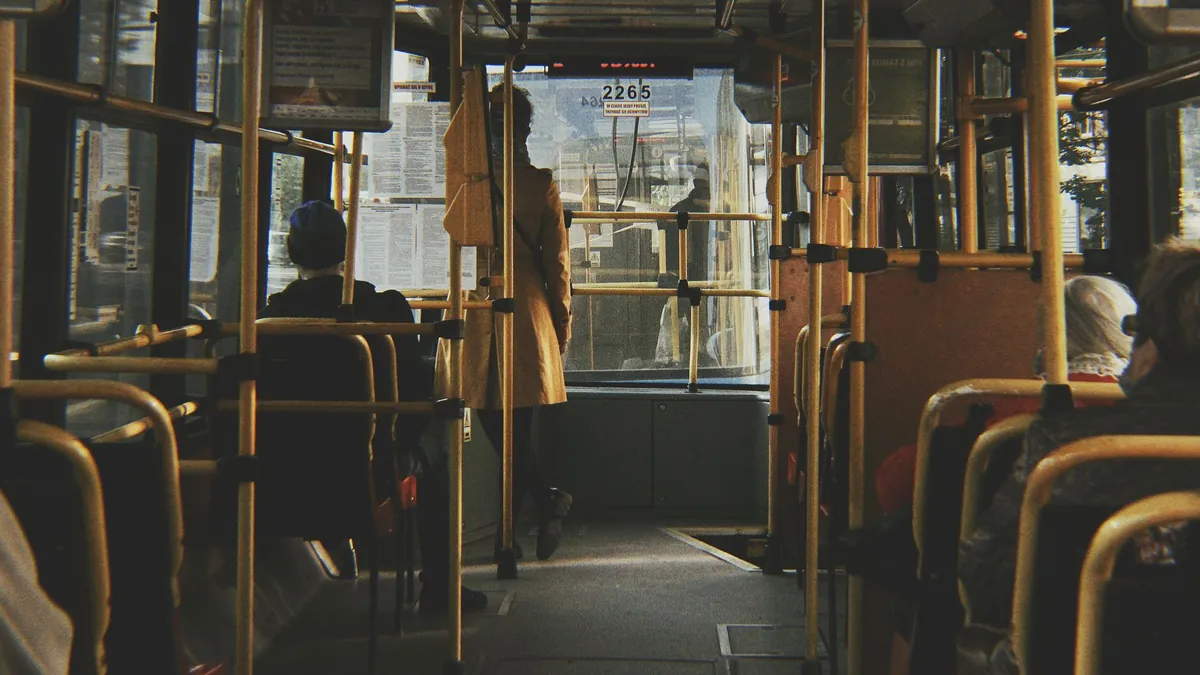
Japan’s trains and buses operate under an almost sacred code of quiet — phone calls are universally prohibited, and even conversations are kept to hushed tones. Priority seating areas near doors carry additional expectations of silence and phone-off compliance. Headphones in, volume down, and phone on silent is the only acceptable configuration.
- Key Reality: Signage on nearly every train carriage explicitly requests passengers set phones to “manner mode.”
6. Refrain From Eating While Walking Except in Designated Food Areas
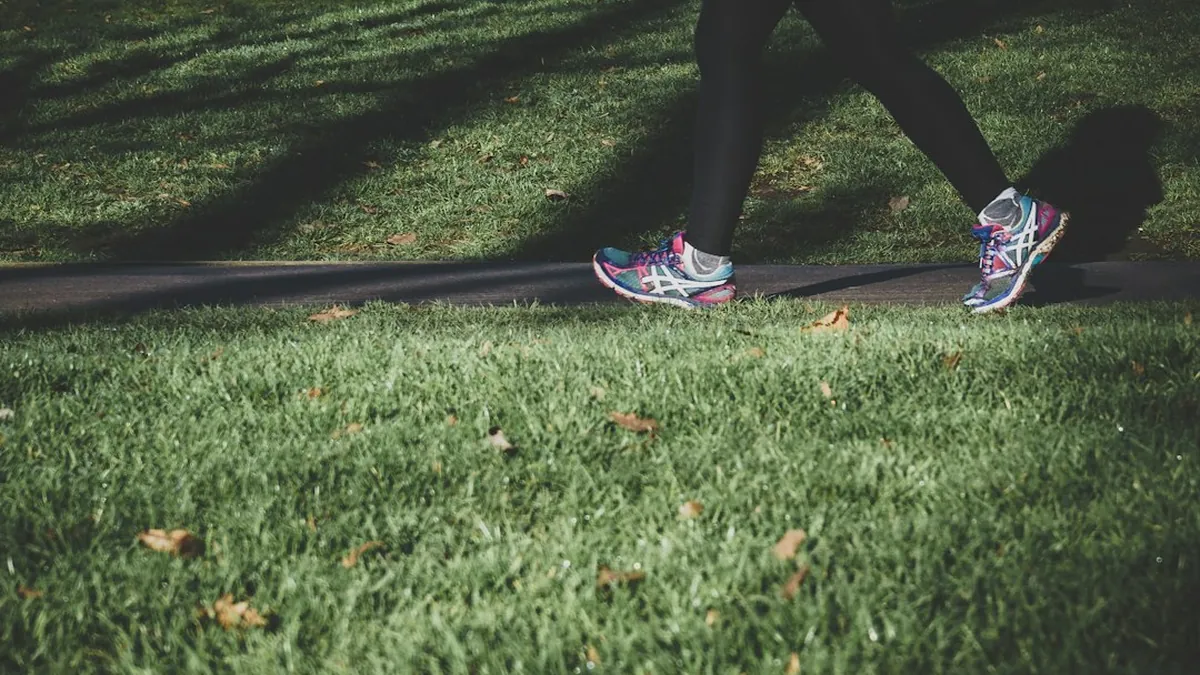
Eating on the go is considered messy and disrespectful of public spaces in most Japanese cities, even if street food stalls are everywhere. The expectation is that you stop, eat near the vendor, and then continue — not stroll through a shrine district with takoyaki in hand. Designated festival and market zones are the notable exceptions to this rule.
- Key Reality: Kyoto has introduced specific walking-and-eating restrictions in historic districts, with fines possible.
7. Dispose of Trash Responsibly Following Local Waste Management Rules
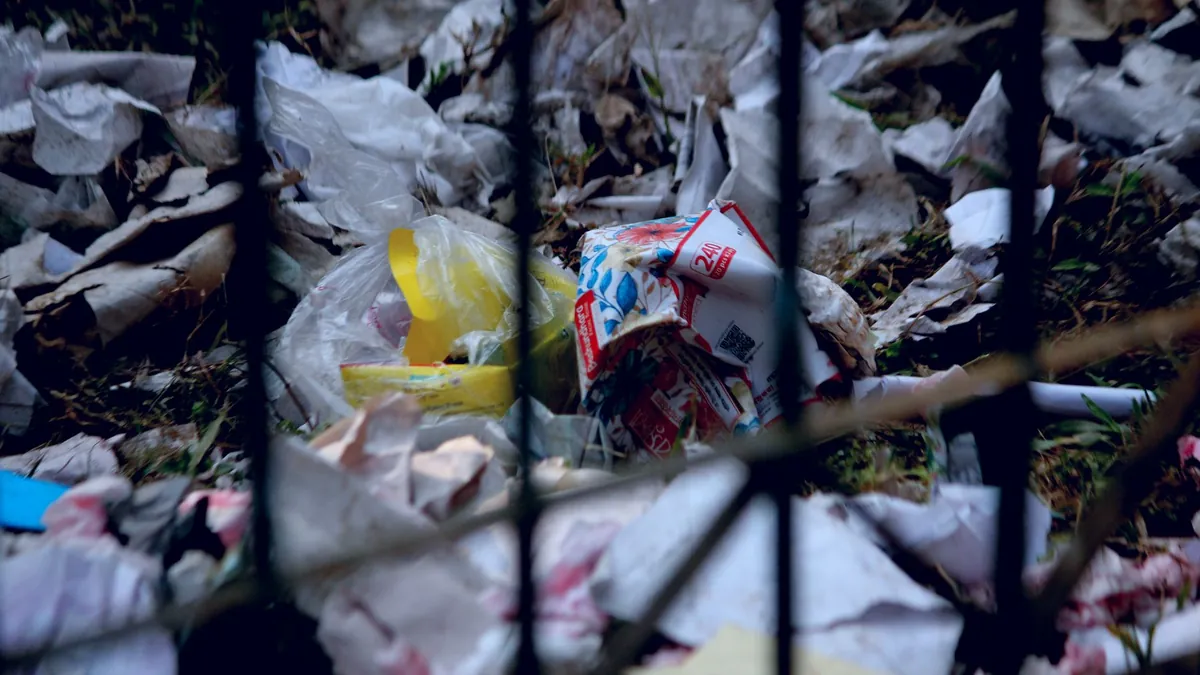
Public trash cans are remarkably scarce in Japan, yet the streets remain immaculate — because locals carry their trash home or back to the point of purchase. Tourists who drop wrappers or leave cups on benches stand out immediately and disrespect a civic pride that runs extremely deep. Carry a small bag in your daypack specifically for waste.
- Key Reality: Japan’s waste separation system uses multiple categories — burnable, non-burnable, and recyclable — and ignoring it matters.
8. Never Pass Food Between Chopsticks as It Mimics Funeral Rituals
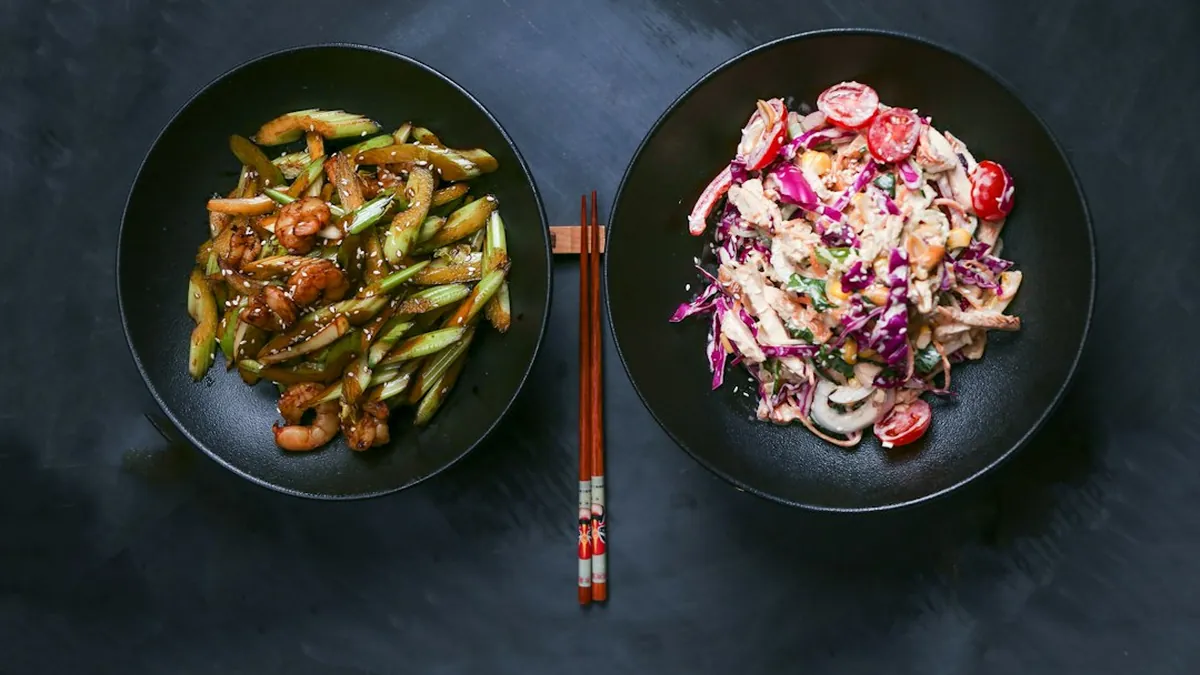
Passing food directly from 1 person’s chopsticks to another’s is a ritual performed only at funerals when handling cremated bones — doing it casually at dinner is deeply jarring to Japanese hosts. If you want to share food, place it directly on someone’s plate instead. This rule, like the upright chopstick rule, is non-negotiable in polite company.
- Key Reality: Both chopstick taboos are rooted in Buddhist funeral rites and carry genuine emotional weight for Japanese diners.
9. Always Finish Your Plate to Show Respect for the Meal and Effort
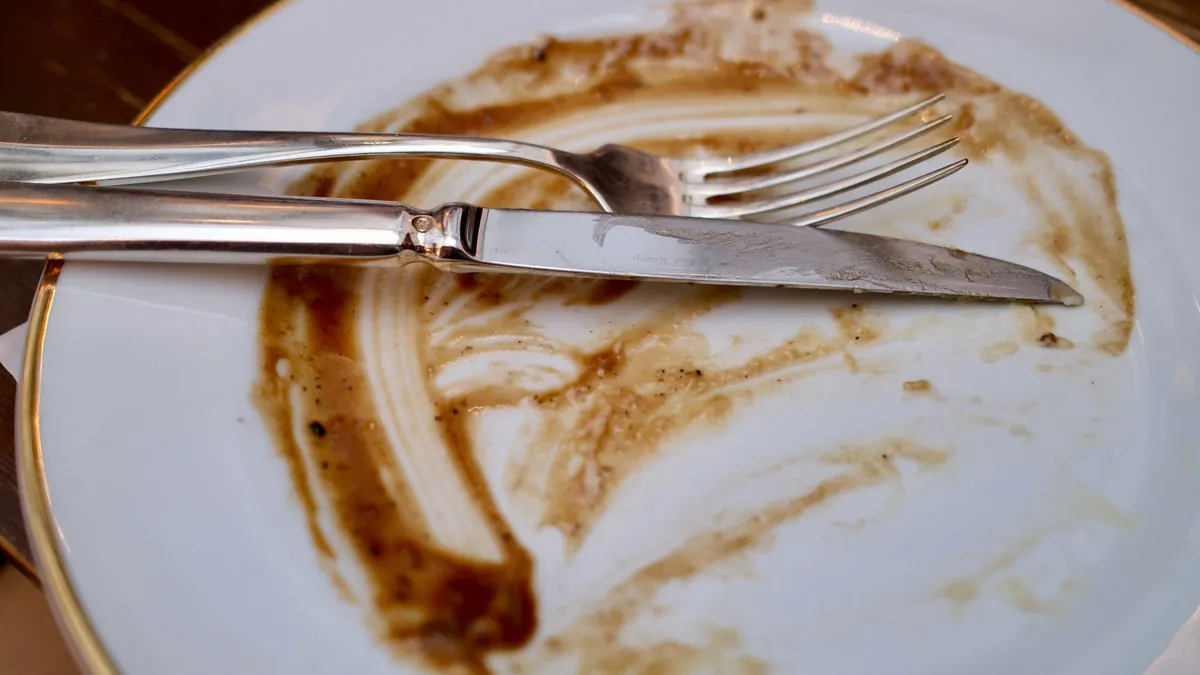
Leaving food on your plate in Japan signals dissatisfaction with the meal and disrespects the labor that went into preparing it. This is especially true in traditional ryokan settings or home-cooked meals where the host has invested significant personal effort. If portion sizes concern you, it’s perfectly acceptable to order less upfront rather than leave waste behind.
- Key Reality: In formal kaiseki dining, finishing every course is considered the highest form of compliment to the chef.
10. Observe Proper Onsen and Public Bathing Etiquette With Cleanliness First
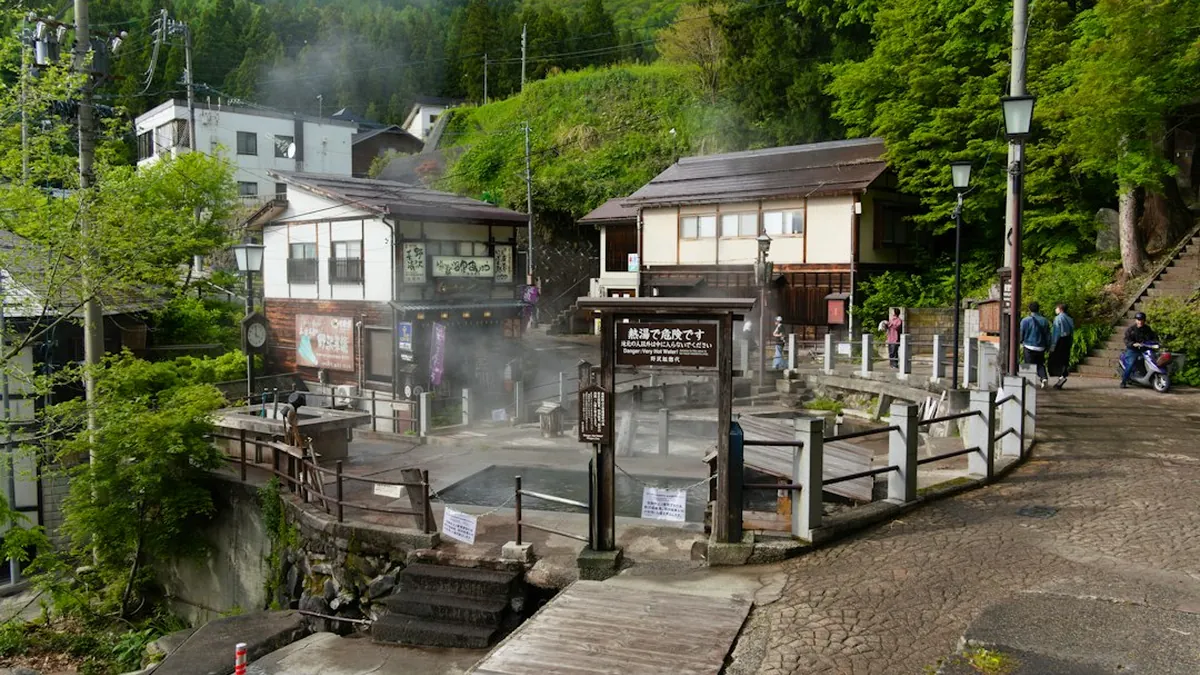
According to Mile Asia’s onsen etiquette guide, the single most important rule is to wash your entire body thoroughly at the individual shower stations before entering the communal bath — no exceptions. Entering an onsen without pre-washing is considered deeply unhygienic and disrespectful to every other bather present. Tattoos also remain prohibited at many traditional facilities, so research your chosen onsen in advance.
- Key Reality: Every onsen provides a stool, showerhead, soap, and shampoo at individual wash stations — use all of them before entering.
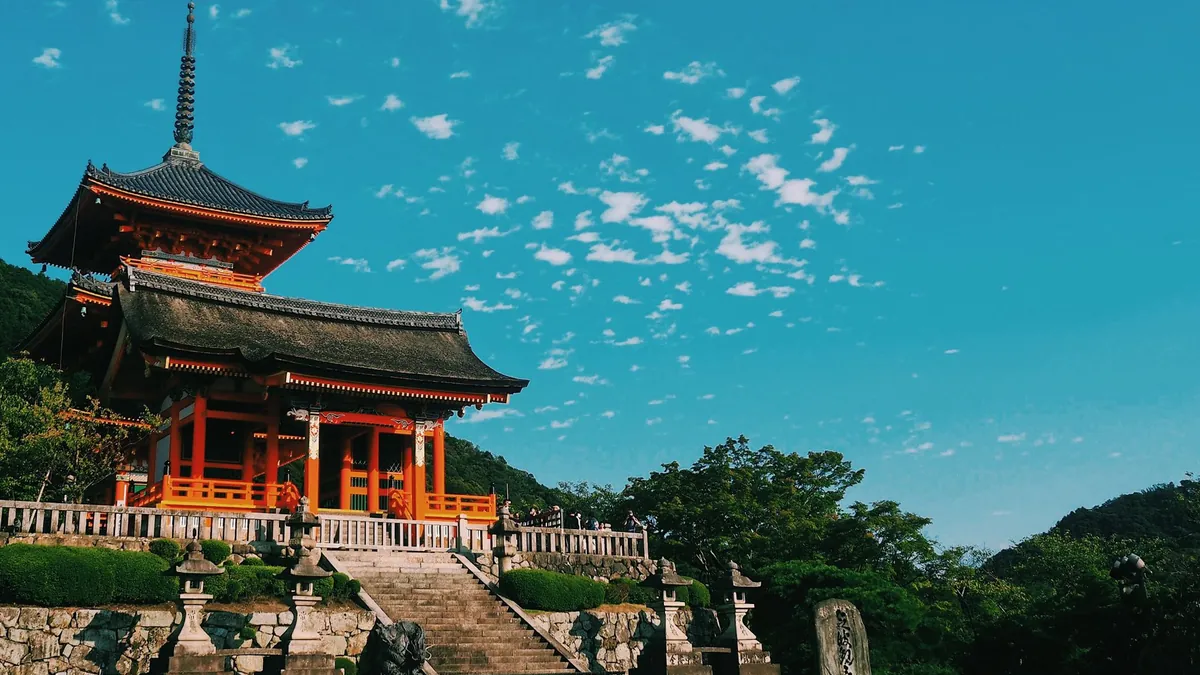
11. Follow Temple and Shrine Protocols by Removing Shoes and Bowing Respectfully
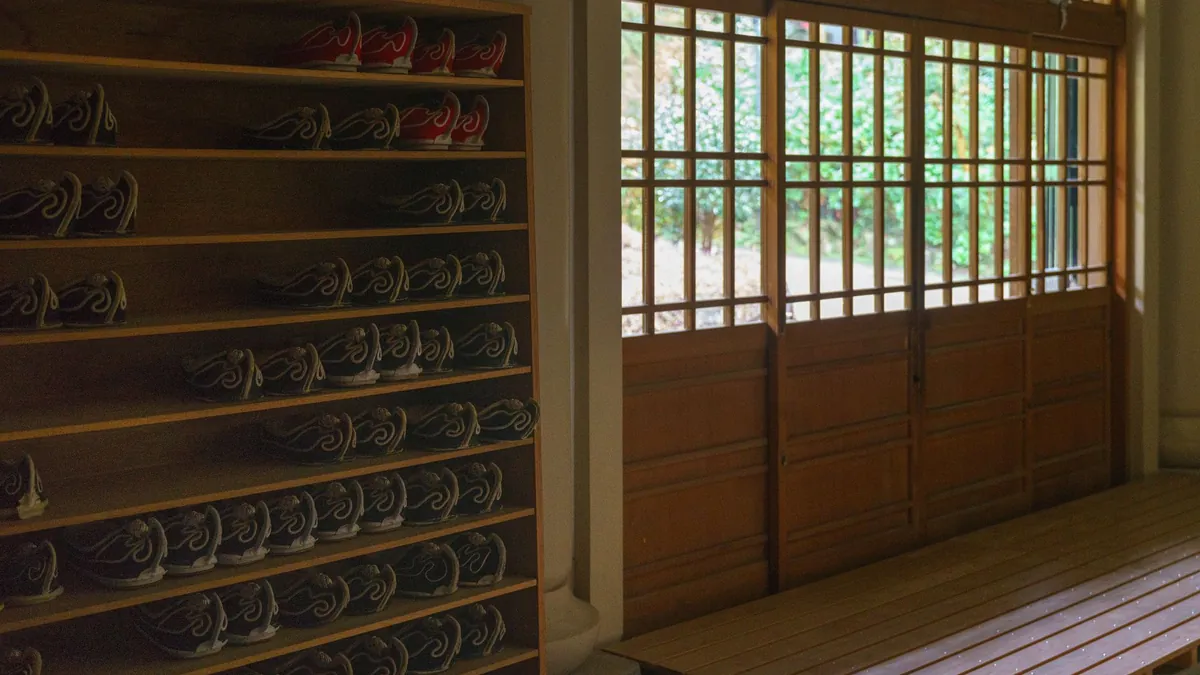
Shoes must be removed before entering most temple interiors, and photography is almost universally banned inside sacred spaces — as Japan Travel Pros confirms, no-photo signs are posted prominently and must be honored without debate. Beyond photography, never photograph geisha or maiko without explicit permission, and avoid pointing cameras at strangers or children in public. A respectful bow at shrine gates costs nothing and communicates volumes about your intentions as a guest.
- Key Reality: At Shinto shrines, the standard greeting bow is 2 claps, 2 bows, and 1 final bow — a simple sequence worth learning before