11 Smart Things Travelers Do Before Leaving Hotel
As participants in Amazon Associates and other programs, we earn from qualifying purchases. This comes at no additional cost to you. For more details, see our Affiliate Disclosure.
Every seasoned traveler has a story — the passport left on the nightstand, the charger still plugged into the wall, the safe quietly holding a wedding ring while the taxi pulls away. Checkout morning has a deceptive rhythm to it, all rushed energy and rolling luggage, that makes even careful people careless. The hotel room you’ve lived in for 3, 5, or 10 days can betray you in the final 10 minutes if you let it.
Most travelers assume a quick visual scan is enough, but the reality is that a disorganized exit costs real money and real stress. Unexpected charges, disputed damage claims, and forgotten medications are all preventable with a sharper system. These 11 smart things to do before leaving your hotel room are the habits that separate confident travelers from frantic ones.
1. Conduct a Systematic Room Sweep From Entrance to Exit
A random visual scan misses things that a structured sweep catches every time. Start at the door and move methodically toward the far wall, treating the room like a grid rather than a panorama. This single habit eliminates the panic of realizing you’ve left something 3 miles down the highway.
- Key Reality: A directional sweep takes under 4 minutes and dramatically reduces the chance of leaving personal items behind.
2. Inspect Under Beds, Behind Dressers, and Inside Furniture Crevices
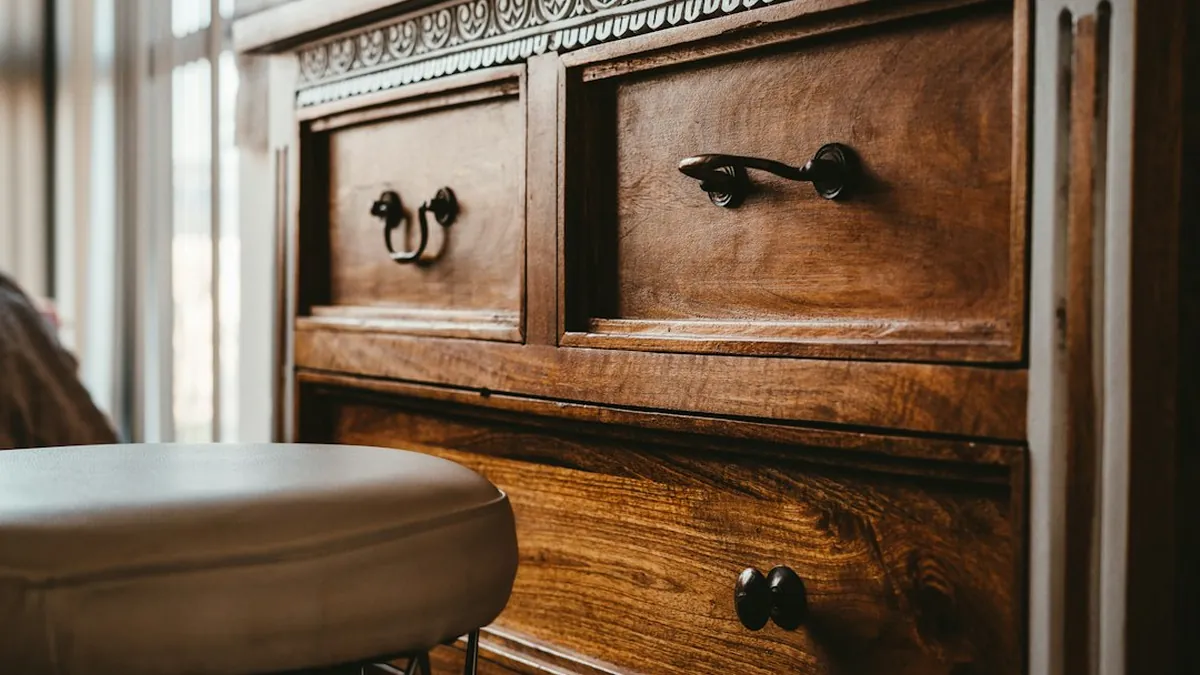
The floor gap beneath a hotel bed is essentially a lost-and-found graveyard for socks, phone cables, and children’s toys. Dressers pushed against walls create shadow pockets where jewelry and small electronics vanish completely. Get low, use your phone’s flashlight, and check every crevice before you zip that final bag.
- Key Reality: Small valuables like earrings and USB drives are among the top 5 most commonly left-behind hotel items globally.
3. Return All Moved Furniture to Its Original Position

Travelers frequently shift chairs, ottomans, or luggage racks to suit their comfort, then forget entirely by checkout. Leaving furniture displaced can trigger housekeeping flags that result in unnecessary damage assessments against your stay. Returning pieces to their original spots takes 60 seconds and protects your deposit.
- Key Reality: Hotels can and do charge for furniture repositioning labor under certain damage-and-restoration policies.
4. Gather and Properly Dispose of Trash and Room Service Items
Leaving scattered trash, half-eaten room service trays, or overflowing waste bins isn’t just poor etiquette — it can factor into how staff document your room’s condition post-checkout. Hotels in several markets now photograph room states before and after stays as standard practice. A quick consolidation of waste into designated bins takes under 2 minutes and leaves a clean paper trail in your favor.
- Key Reality: Excessive mess fees are a real line item on hotel damage invoices, sometimes reaching 75 to 150 dollars.
5. Check the Shower, Closet Shelves, and All Charging Stations

The shower caddy, the closet’s top shelf, and the bedside charging dock form a Bermuda Triangle of forgotten personal items. Shampoo bottles, hanging garments, and plugged-in earbuds are the most commonly abandoned objects in these 3 zones specifically. A deliberate pass through each area before you leave the bathroom for the last time is non-negotiable.
- Key Reality: Electronics left at charging stations account for a significant share of hotel lost-and-found claims filed each year.
6. Review Your Itemized Hotel Bill for Unexpected Charges
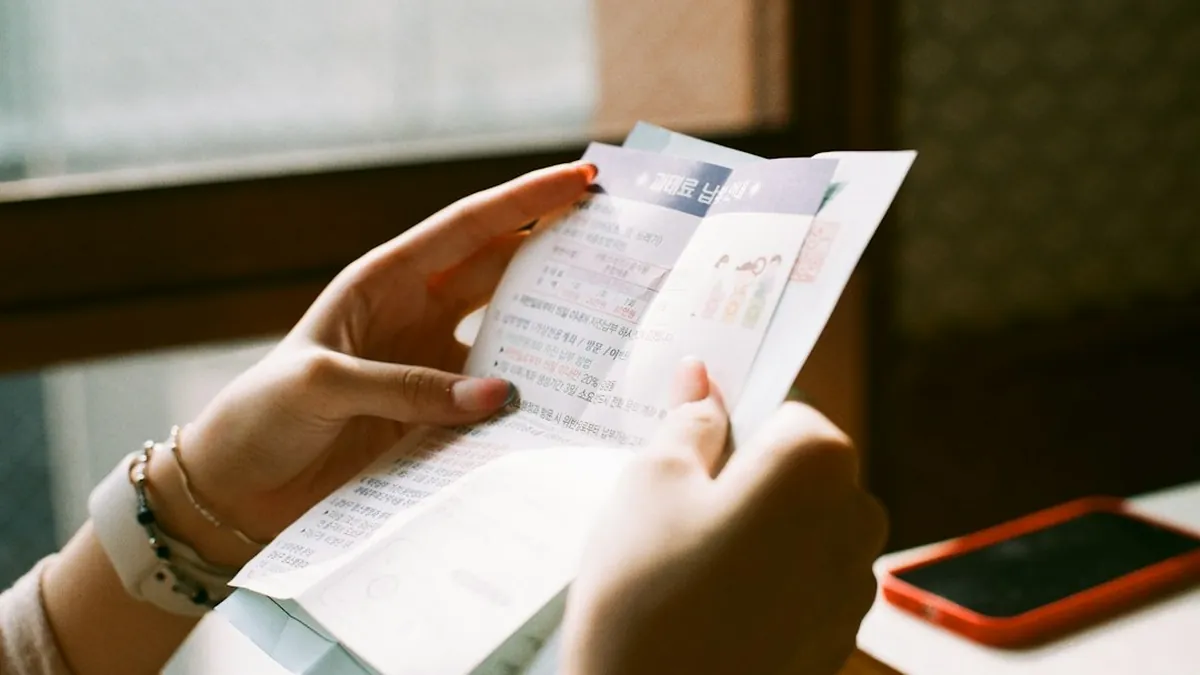
Billing errors are more common than most guests realize, and a charge you don’t catch at checkout becomes exponentially harder to dispute 48 hours later. If you booked directly through the property, you may already have better visibility into your rate structure — direct hotel booking perks often include itemized billing transparency that third-party platforms skip. Scan every line before you sign anything.
- Key Reality: Resort fees, minibar auto-charges, and Wi-Fi fees are the 3 most frequently disputed line items on hotel bills.
7. Photograph the Room Condition and Minibar Status

Documentation is your strongest defense against unfair damage claims, and a 2-minute photo session before you leave can save you hundreds of dollars. According to pet-friendly stay industry research, taking clear photos of carpets, upholstery, and any existing marks on furniture before checkout creates a timestamped record hotels cannot easily dispute. Capture the minibar, the bedding, and the bathroom in the same session.
- Key Reality: Timestamped photos stored in cloud backup provide legally admissible evidence in chargeback and dispute cases.
8. Unplug All Personal Chargers, Adapters, and Electronics

A charger left in the wall is the single most reported forgotten item at hotels worldwide, and it’s also the easiest to prevent. Beyond the financial replacement cost, leaving devices plugged in creates a minor but real fire risk that responsible travelers simply don’t leave behind. Do a wall-by-wall outlet check as part of your exit sweep — every single outlet, every single time.
- Key Reality: Laptop chargers and international travel adapters can cost 40 to 120 dollars to replace on the road.
9. Collect All Toiletries, Partial Items, and Medications
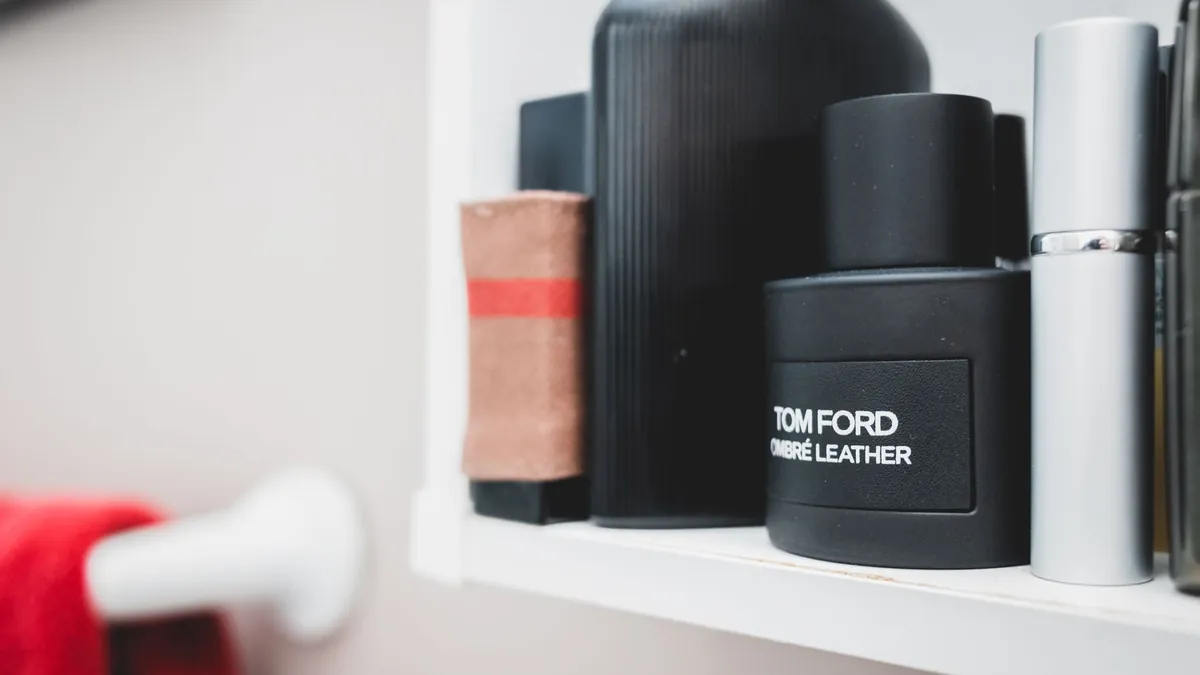
Prescription medications and specialty toiletries left in a hotel bathroom are not just inconvenient losses — they can constitute genuine health emergencies for travelers with chronic conditions. Personal preparedness guidance from the North Central Health District specifically emphasizes remembering medical equipment and medications for family members with functional or access needs, even in routine travel scenarios. Pack these items last so they’re freshest in your memory at checkout.
- Key Reality: Hotels are not legally obligated to overnight ship forgotten medications, leaving travelers fully responsible for replacement costs.
10. Open the Room Safe and Verify All Valuables Are Packed
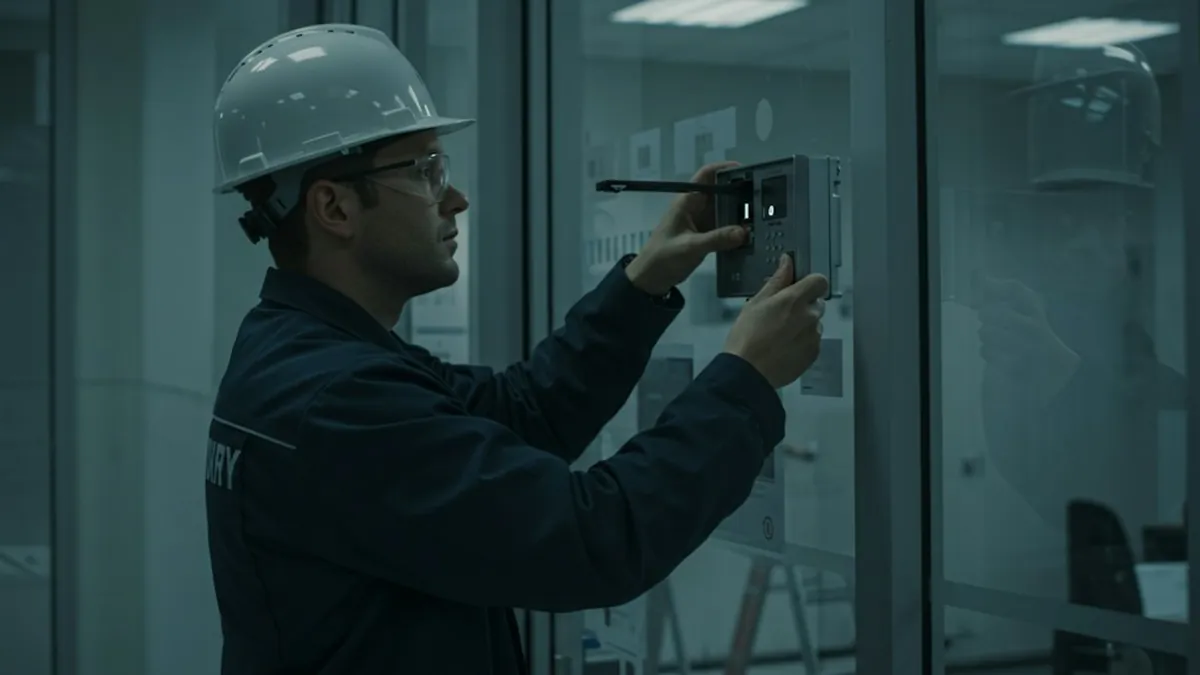
The in-room safe is the single most catastrophic place to forget something, because its contents are almost always the highest-value items you brought. Passports, cash, jewelry, and backup credit cards sit silently behind that locked door while you’re already in the elevator. Make opening and clearing the safe the very last physical act you perform before picking up your bags.
- Key Reality: Items left in hotel safes are among the hardest to recover quickly, especially across international borders.
11. Do a Final Walkthrough While Mentally Checking Off Your Packing List

The final walkthrough isn’t just physical — it’s a mental inventory cross-referenced against everything you arrived with. Move through the bathroom, bedroom, and living area one last time while actively recalling your original packing list rather than just scanning surfaces passively. Travelers who pair this habit with smart planning, like the kind covered in a solid