15 Essential Road Trip Emergency Items to Pack
As participants in Amazon Associates and other programs, we earn from qualifying purchases. This comes at no additional cost to you. For more details, see our Affiliate Disclosure.
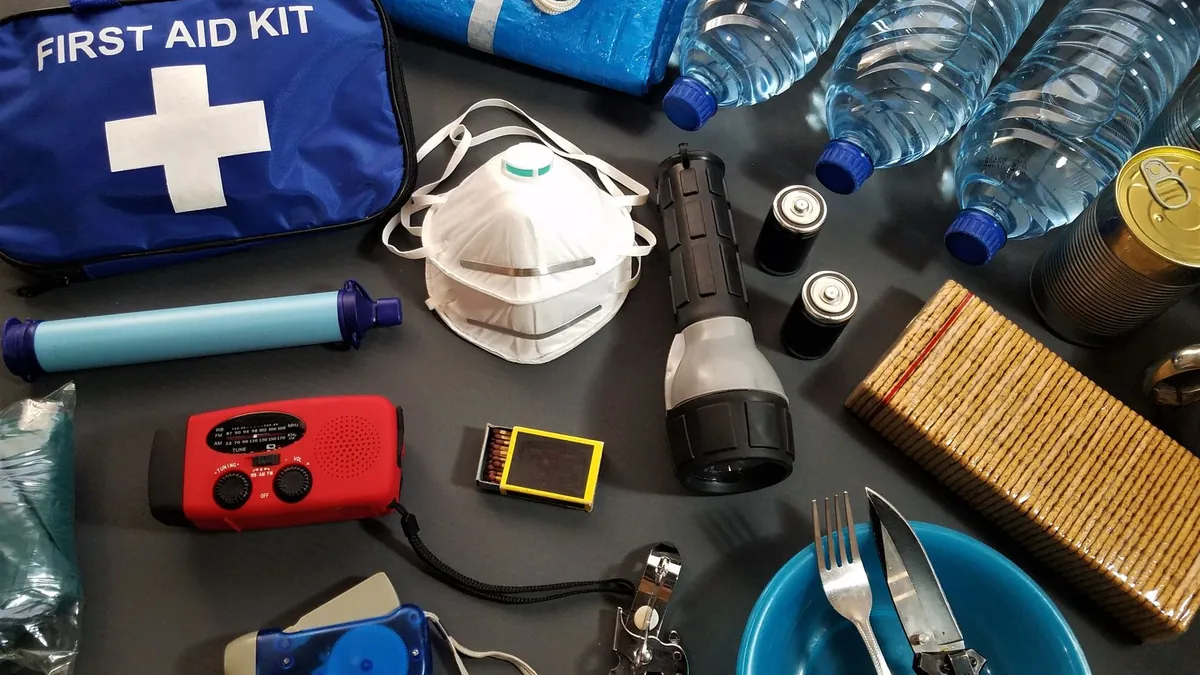
A solid road trip emergency kit can mean the difference between a minor inconvenience and a dangerous roadside situation. These 15 items cover every scenario you’re likely to face.
1. Jumper Cables and Portable Battery Jump Starter
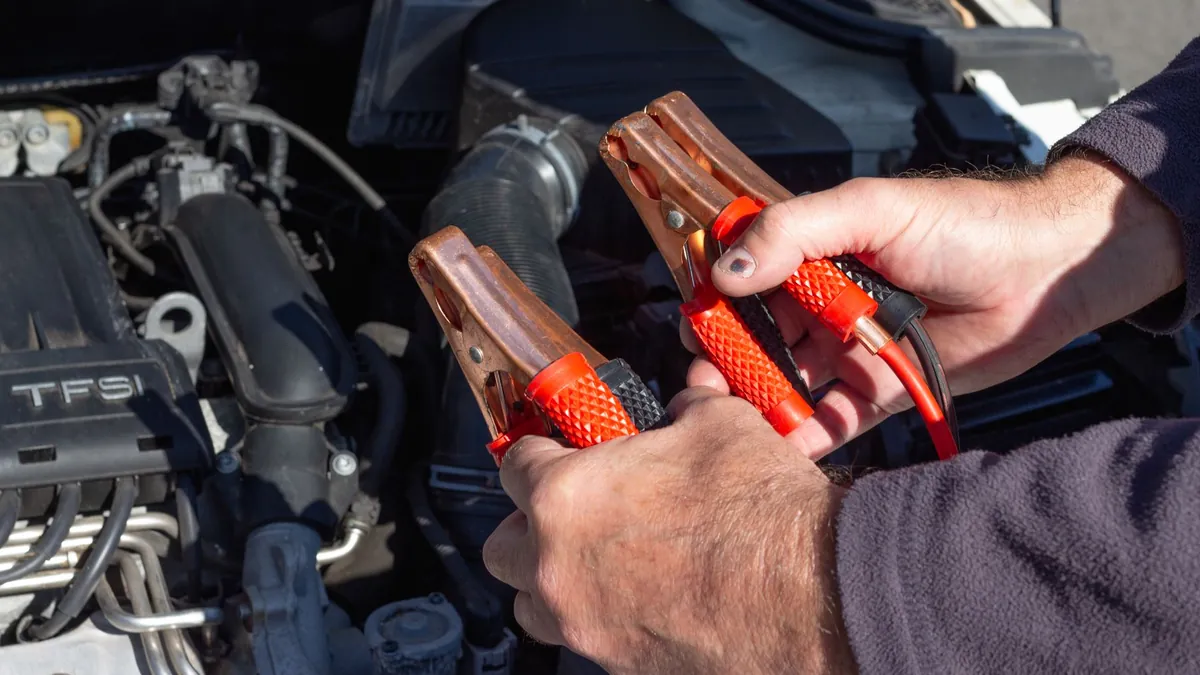
A dead battery strands more drivers than almost any other mechanical failure. A portable jump starter lets you self-rescue without waiting for another vehicle to stop.
- Key Takeaway: Choose a lithium jump starter rated for your engine size for reliable cold-weather performance.
2. Spare Tire, Jack, and Lug Wrench
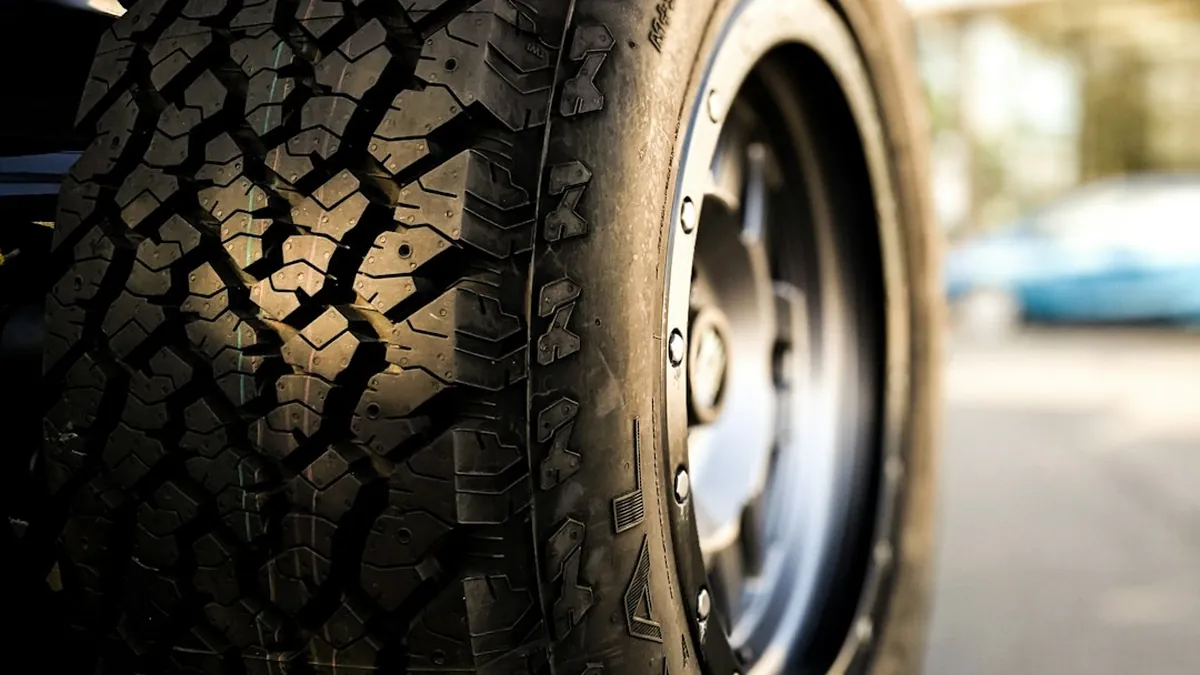
A flat tire on a remote stretch of highway is non-negotiable to fix fast. Verify your spare is properly inflated before every long drive.
- Key Takeaway: A compact scissor jack works, but a hydraulic floor jack is faster and safer on uneven ground.
3. LED Flashlight with Extra Batteries
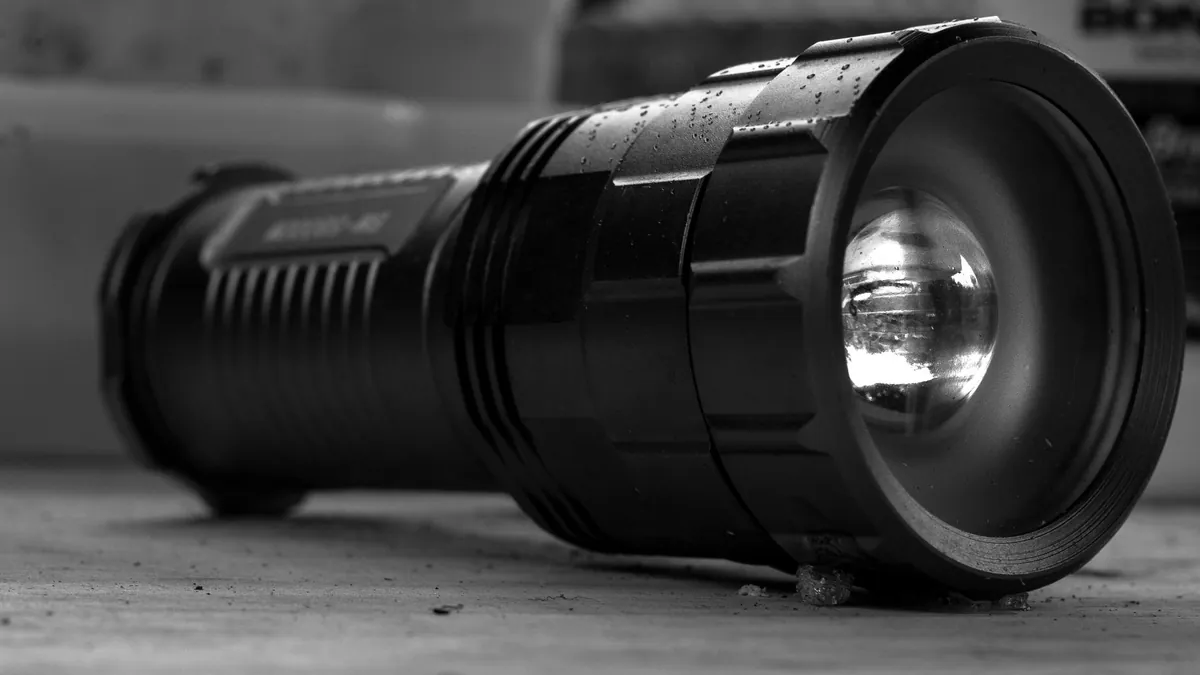
Nighttime breakdowns require hands-free visibility for both repairs and signaling. Pack a headlamp alongside a standard flashlight for maximum utility.
- Key Takeaway: LED models last significantly longer per battery charge than traditional incandescent options.
4. Comprehensive First Aid Kit
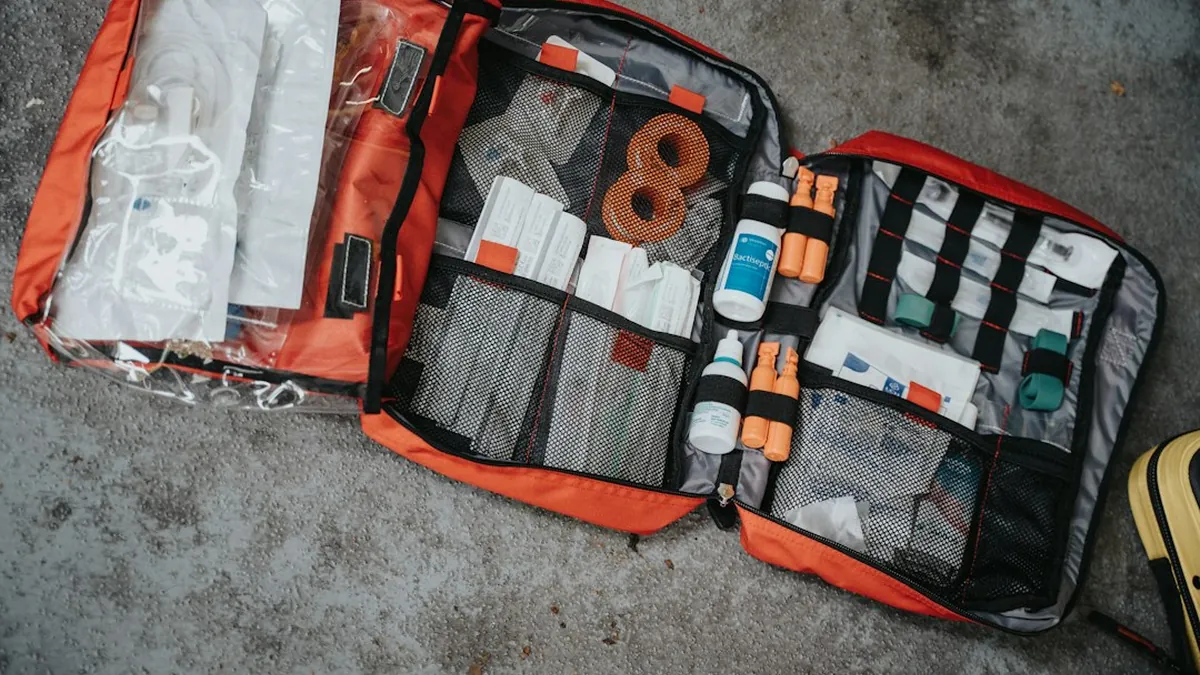
Cuts, burns, and sprains happen fast during roadside emergencies. Stock bandages, antiseptic wipes, pain relievers, and any personal prescription medications.
- Key Takeaway: The California Highway Patrol recommends a stocked first aid kit as a core roadside essential.
5. Emergency Blanket and Weather-Protective Tarp

Temperature extremes kill faster than most people expect during extended roadside waits. Mylar emergency blankets reflect up to 90% of body heat and fold to pocket size.
- Key Takeaway: Winter conditions call for traction aids and warmth; summer calls for hydration and heat management — swap a seasonal sub-kit twice yearly.
6. Bottled Water and High-Calorie Energy Bars

Dehydration and low blood sugar impair decision-making during stressful breakdowns. Store at least one gallon of water and 2,000 calories of shelf-stable food per person.
- Key Takeaway: Rotate food and water every six months to maintain freshness and nutritional value.
7. Duct Tape and Nylon Rope

Temporary hose repairs, securing loose bumpers, and bundling gear all require strong, flexible materials. Nylon rope handles towing assist and cargo tie-down in a pinch.
- Key Takeaway: Heavy-duty 3M duct tape outperforms standard hardware-store versions under heat and moisture stress.
8. Digital Tire Pressure Gauge
Under-inflated tires are a leading cause of blowouts, especially during summer heat. Check pressure every morning before driving for maximum safety and fuel efficiency.
- Key Takeaway: Digital gauges are more accurate than stick-type gauges and easier to read in low light.
9. Extra Vehicle Fluids
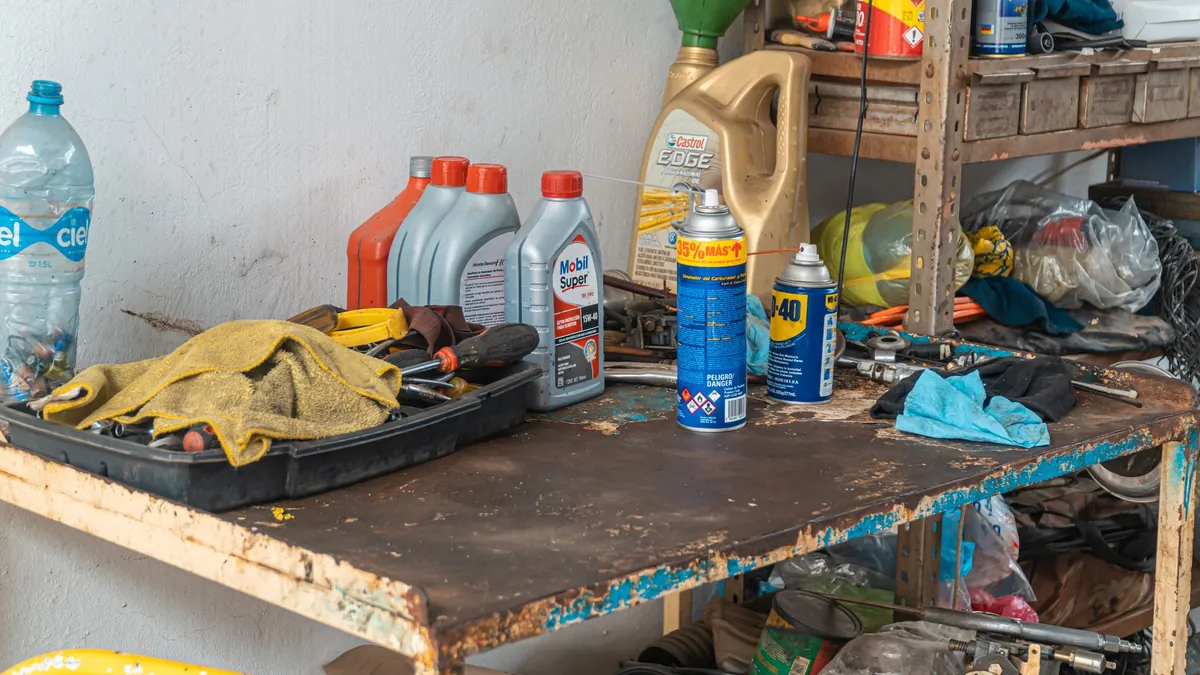
Motor oil, coolant, and windshield washer fluid are the three most commonly needed top-offs on long drives. Carrying small quantities prevents minor leaks from becoming engine failures.
- Key Takeaway: Match fluid specifications exactly to your vehicle’s owner manual requirements.
10. Fully Charged Mobile Phone with Car Charger

Calling 911 accurately and quickly is critical — structured call-taking protocols and precise location reporting help dispatchers send the right resources faster, as noted by 911.gov’s highway safety guidelines. Keep a written emergency contact list as a backup if your phone dies.
- Key Takeaway: A dual USB car charger keeps both your phone and a passenger’s device powered simultaneously.
11. Compact Fire Extinguisher
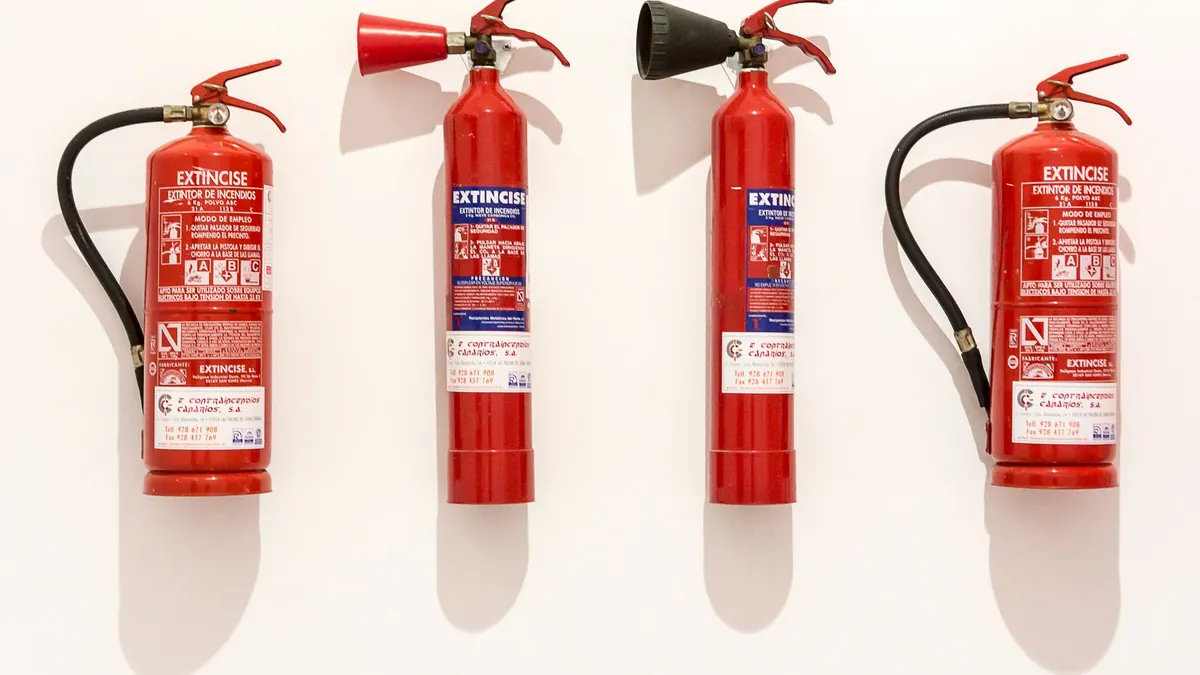
Vehicle fires escalate within seconds, leaving almost no time to react without an extinguisher on hand. Use a BC-rated or ABC-rated unit mounted within driver’s reach.
- Key Takeaway: Inspect the pressure gauge monthly and replace the unit every 5–12 years per manufacturer guidance.
12. Microfiber Rags and Paper Towels
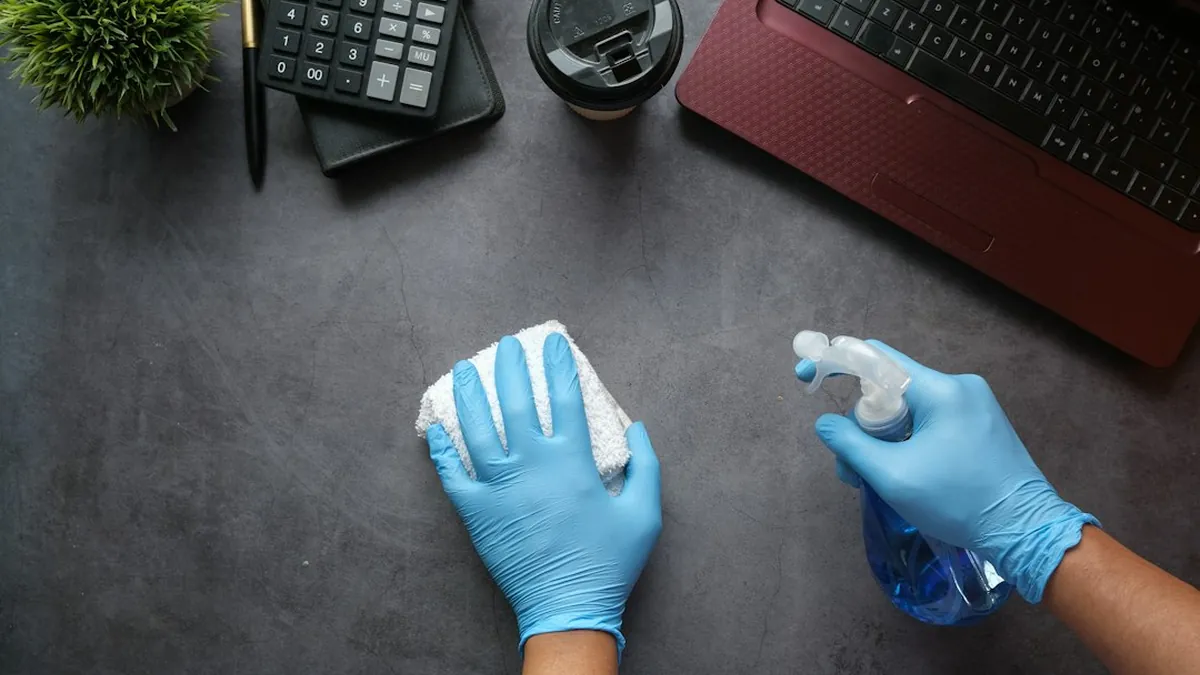
Fluid checks, spill cleanups, and windshield wipes all demand absorbent materials you don’t want to sacrifice clothing for. Microfiber outperforms paper for engine-area tasks.
- Key Takeaway: Store rags in a sealed zip-lock bag to keep them clean and ready for immediate use.
13. Multi-Tool or Swiss Army Knife

Pliers, screwdrivers, and a cutting blade handle a surprising range of roadside fixes in a single compact package. If you’re building out your broader road trip gear list, this is a non-negotiable addition.
- Key Takeaway: Leatherman and Victorinox both offer TSA-compliant models suitable for checked or cargo travel.
14. Reflective Warning Triangles or Flares
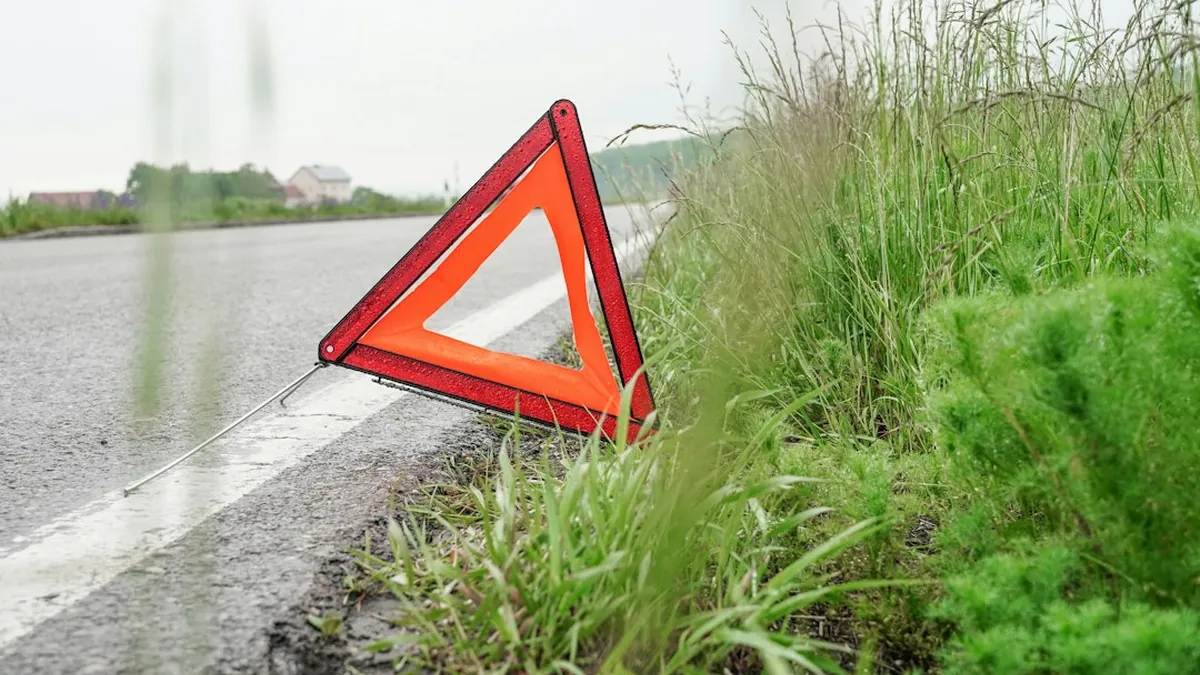
Marking your disabled vehicle’s location prevents secondary accidents from approaching traffic. Place triangles at 10, 100, and 300 feet behind your vehicle on highways.
- Key Takeaway: LED road flares are reusable and safer than traditional pyrotechnic flares near fuel leaks.
15. Basic Tool Kit

An