8 Mistakes Tourists Make at Historic European Cathedrals
As participants in Amazon Associates and other programs, we earn from qualifying purchases. This comes at no additional cost to you. For more details, see our Affiliate Disclosure.
Europe’s great cathedrals — Notre-Dame, Cologne, Sagrada Família, St. Peter’s Basilica — draw tens of millions of visitors every year, and for good reason. They are architectural masterpieces layered with centuries of history, art, and living spiritual tradition that no museum can replicate.
Yet the most common mistakes visiting European cathedrals aren’t dramatic blunders — they’re quiet, avoidable missteps that get tourists turned away at the door, fined, or simply robbed of the full experience. Knowing what not to do is every bit as essential as knowing what to see.
1. Ignoring Dress Code Requirements and Wearing Inappropriate Clothing

Shorts, sleeveless tops, and miniskirts will get you denied entry at dozens of major European cathedrals without a second glance from staff. Many sites — particularly in Italy, Spain, and Portugal — enforce strict modesty standards that apply to all visitors regardless of the temperature outside.
- Key Reality: Some cathedrals sell disposable cover-ups on-site for around 2 to 5 euros, but many simply turn tourists away.
2. Arriving Without Checking Service Schedules and Opening Hours
European cathedrals are not museums with predictable 9-to-5 hours — they are active houses of worship that close entirely during Mass, funerals, and religious holidays. Arriving mid-morning on a Sunday without checking the schedule is one of the fastest ways to waste a full travel day.
- Key Reality: Many major cathedrals close to tourists for 2 to 4 hours during daily liturgical services.
3. Using Flash Photography and Violating Camera Restrictions

Flash photography degrades ancient pigments, disturbs worshippers, and is outright banned in most historic European cathedrals. Beyond flash, some spaces — including certain chapels and crypts — prohibit all photography, and ignoring posted signage can result in immediate removal.
- Key Reality: Tripods are banned in virtually every cathedral interior in Europe without a special media permit.
4. Disrupting Active Worship by Talking and Moving Through Sacred Spaces

Conversations at normal volume, group laughter, and the constant shuffle of tour groups through side chapels during prayer are deeply disrespectful — and increasingly, cathedral staff are empowered to remove disruptive visitors. Reddit travelers consistently flag this as a top frustration, with one AskReddit travel thread noting it as among the most culturally tone-deaf behaviors tourists display in Europe.
- Key Reality: Designated quiet zones exist in most cathedrals — violating them is grounds for expulsion without a refund.
5. Failing to Wear Appropriate Footwear for Stone Floors and Stairs

Worn, smooth-soled sandals and high heels are genuinely dangerous on centuries-old polished stone floors and uneven spiral staircases found in cathedral towers. Research cited by InspectApedia’s stair hazard analysis confirms that smooth flooring surfaces dramatically increase the risk of serious fall-related injury — a risk that is amplified on narrow medieval stone steps with minimal handrail support.
- Key Reality: Cathedral tower climbs can involve 300 or more uneven stone steps with no elevator alternative.
6. Underestimating Pickpocketing Risks in High-Traffic Tourist Areas

The dense, distracted crowds that gather at cathedral entrances and inside popular naves are prime territory for organized pickpocketing rings operating across European cities. If you’re also planning trips to smaller regional destinations, the budget European capitals worth exploring tend to carry lower theft risk than the continent’s most saturated tourist corridors.
- Key Reality: Keep bags zipped, worn at the front, and never place phones or wallets in back pockets inside cathedral crowds.
7. Visiting During Peak Hours Without Planning for Optimal Lighting and Crowds

Midday visits between 10 a.m. and 2 p.m. pack cathedral interiors with tour groups, creating noise, blocked sightlines, and harsh overhead light that flattens the stained glass. Early morning arrivals — particularly between 8 and 9 a.m. — offer dramatically better light, quieter atmosphere, and the kind of contemplative access that makes these spaces genuinely transformative. If you’re building a broader European itinerary, pairing cathedral visits with the fairytale towns of Germany and Austria offers an equally stunning, far less crowded alternative.
- Key Reality: Many cathedrals offer free or discounted entry in the first hour of opening — a logistical and financial win.
8. Treating Living Places of Worship as Museums Rather Than Active Religious Spaces
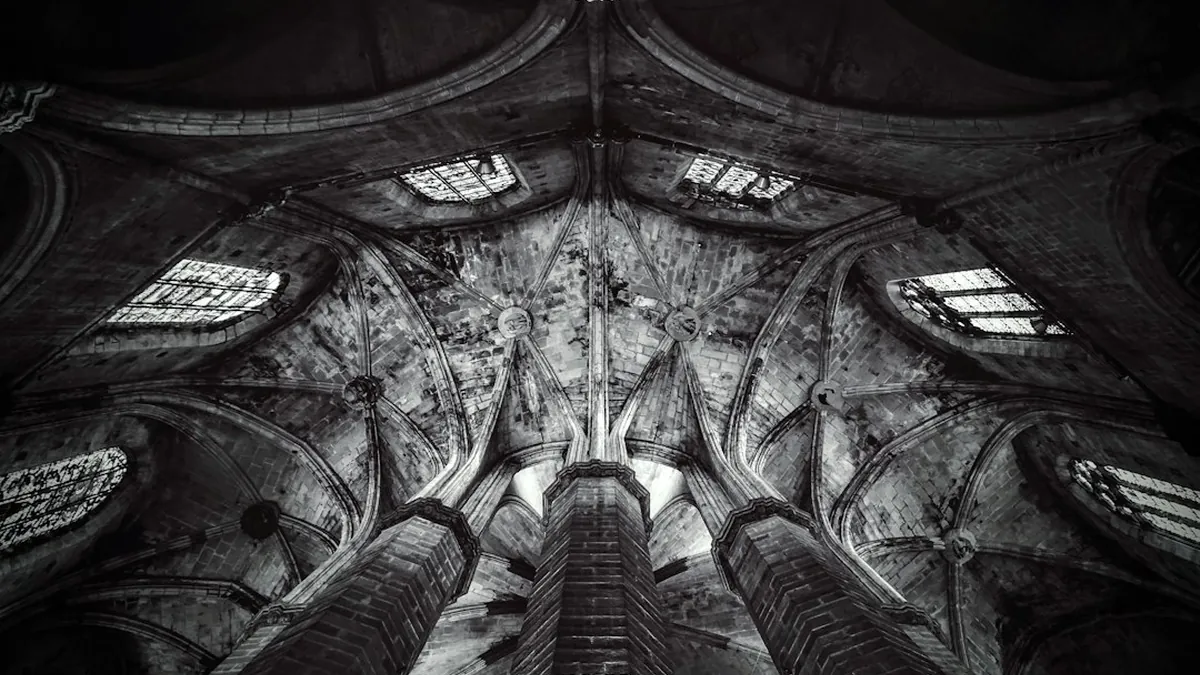
Perhaps the deepest mistake tourists make is approaching a cathedral the way they’d approach a gallery — as a passive, curated experience designed for their consumption. These are living institutions where communities baptize their children, mourn their dead, and gather weekly in faith, and that context should shape every moment of a visitor’s behavior inside.
- Key Reality: Treating the space with genuine reverence — regardless of personal belief — is the single most universally respected behavior a tourist can demonstrate.
The mistakes visiting European cathedrals that derail trips most often aren’t about ignorance of history — they’re about underestimating the living, breathing nature of these sacred spaces. A little preparation, the right shoes, and a genuine respect for the communities who call these buildings home will transform a tourist stop into one of the most memorable experiences Europe has to offer. Have you ever witnessed — or made — one of these missteps at a European cathedral? Share your experience in the comments below.