Gas Station Card Skimmers: How They Target Tourists
As participants in Amazon Associates and other programs, we earn from qualifying purchases. This comes at no additional cost to you. For more details, see our Affiliate Disclosure.
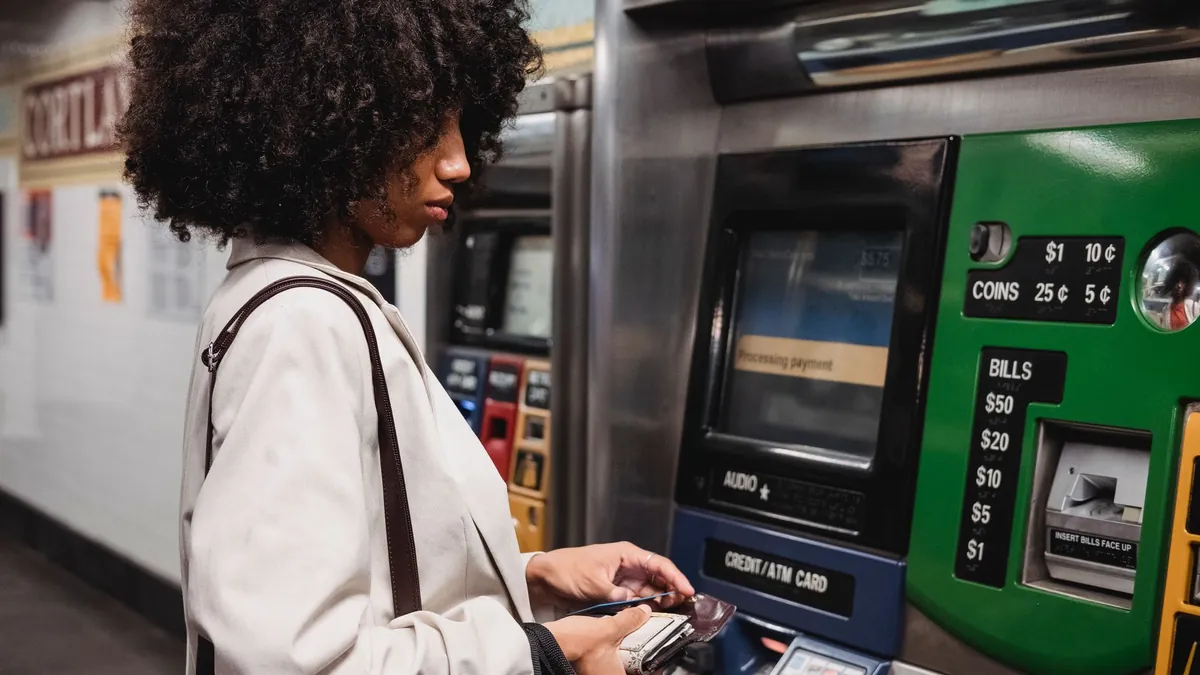
Tourists are prime targets for gas station card skimmers — unfamiliar with local stations, often in a rush, and rarely inspecting pumps before swiping.
How Card Skimmers Operate at Gas Pumps and Capture Payment Data
Criminals install skimming devices inside or over card readers at fuel dispensers to silently copy magnetic stripe data. Some advanced skimmers also include a pinhole camera or overlay keypad to capture your PIN in real time.
The stolen data is transmitted wirelessly or retrieved manually and used to clone cards or make fraudulent purchases. Tourists are especially vulnerable because they often pay at unfamiliar pumps without a second thought — similar to how travelers overlook hotel payment security risks until it’s too late.
Physical Warning Signs of Compromised Fuel Dispensers
Security seals on gas pumps provide the first line of defense — a broken or missing seal is an immediate red flag. Always check the pump panel seam before inserting your card.
Give the card reader and keypad a firm but gentle tug. According to Florida’s Department of Agriculture and Consumer Services, loose or shifting parts are a strong indicator that tampering has occurred.
Secure Payment Methods and Fraud Protection Strategies
Pay inside the station whenever possible — indoor terminals are harder to tamper with and monitored more closely. If you must use the pump, choose credit over debit; credit cards carry stronger fraud liability protections.
Use tap-to-pay or a mobile wallet like Apple Pay or Google Pay when the pump supports it. These methods generate a one-time transaction token, making skimmed data useless.
Monitoring Accounts and Reporting Suspected Card Skimming Incidents
Check your bank and card statements within 24–48 hours of fueling up, especially when traveling. Small unauthorized test charges — often under $5 — are a common early sign of skimming fraud.
Report suspected gas station card skimmers to the station manager and your local consumer protection agency immediately. Staying alert at the pump is as essential as knowing your airport security situation before any trip.