11 Ways to Sneak Extra Luggage Past Gate Agents
As participants in Amazon Associates and other programs, we earn from qualifying purchases. This comes at no additional cost to you. For more details, see our Affiliate Disclosure.
Gate agents check bags, charge fees, and enforce rules — but knowing how the system works gives you a real edge. These 11 strategies are fully legal, practical, and used by frequent flyers every day.
1. Master the Art of Compression Packing to Minimize Bag Dimensions
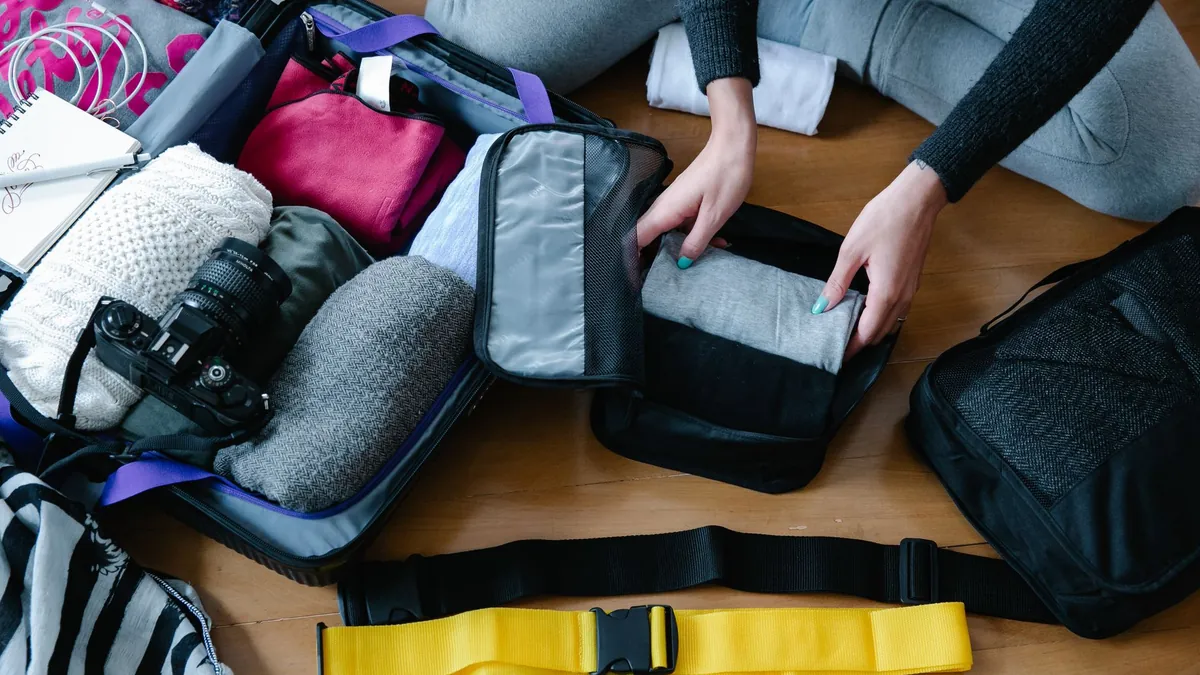
Compression packing cubes physically shrink soft-sided bags so they slide into overhead bins without triggering a size check. A compressed bag that fits the sizer gets waved through every time.
- Key Takeaway: Compression cubes can reduce bag volume by up to 60%, keeping you under most airline carry-on dimension limits.
2. Arrive Early During Boarding to Secure Premium Overhead Bin Space

Early boarders face zero bin competition and zero gate-agent scrutiny — agents are focused on processing the crowd, not inspecting bags. Board in the first group and your bag disappears into the overhead before anyone looks twice.
- Key Takeaway: Priority boarding is the single most effective way to avoid gate bag checks entirely.
3. Wear Oversized Clothing to Distribute Weight Across Your Body

Heavy jackets, cargo pants, and layered clothing let you transfer dense items — books, chargers, shoes — off your bag and onto your body. Gate agents weigh bags, not passengers.
- Key Takeaway: Wearing heavy items can remove 5–10 lbs from your carry-on before it ever reaches a scale.
4. Utilize Personal Item Allowances by Maximizing Backpack and Tote Capacity
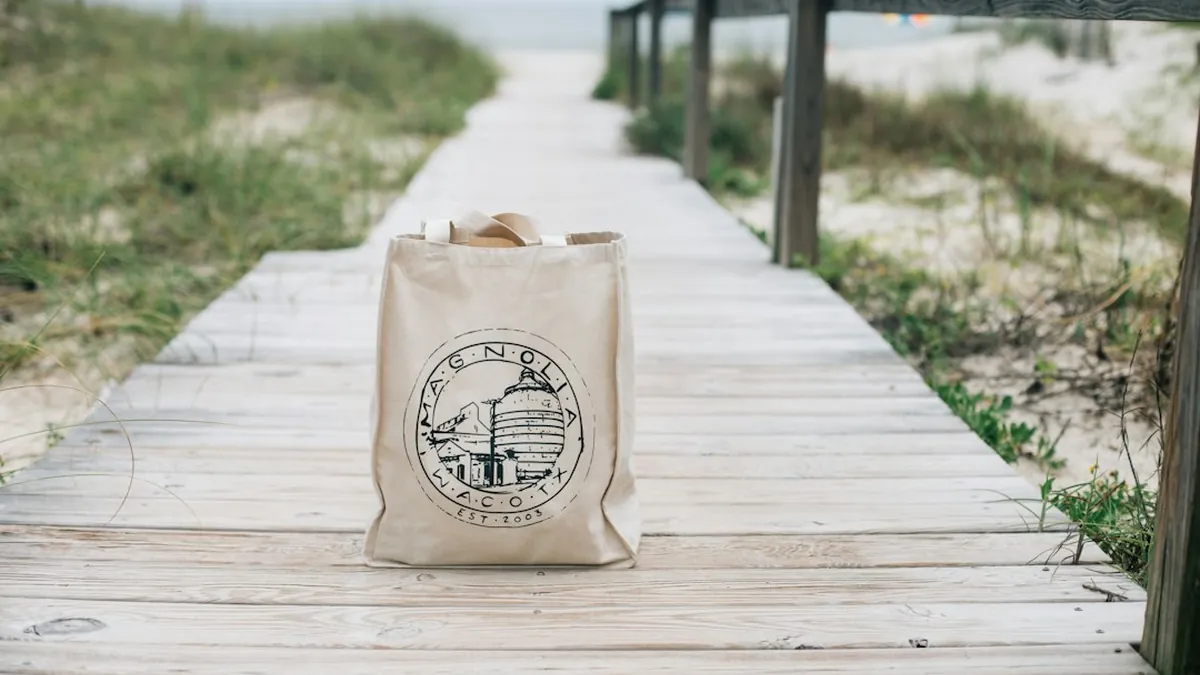
Airlines allow one personal item in addition to a carry-on — treat that personal item as a second bag packed to its legal maximum. A structured 40L backpack qualifies as a personal item on most carriers.
- Key Takeaway: Personal item dimensions vary by airline, so check exact specs before packing — airlines, not the FAA, set these rules.
5. Employ Ranger Rolling Techniques to Reduce Luggage Volume Significantly
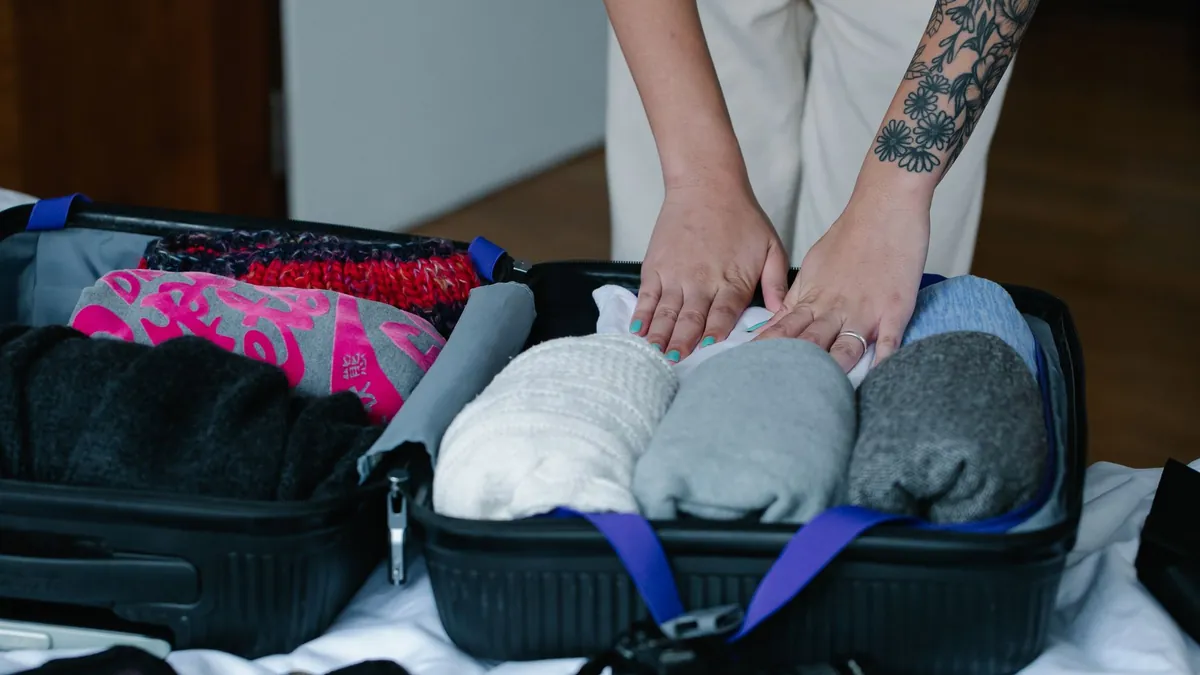
Ranger rolling — tight military-style clothes rolling — eliminates air pockets and stacks garments in uniform cylinders that fill bag corners efficiently. Combined with compression cubes, it’s the most space-efficient packing method available.
- Key Takeaway: Ranger rolling works best with synthetic fabrics; denim and wool compress less effectively.
6. Time Your Gate Approach During Peak Boarding Confusion and Congestion

Mid-boarding — when multiple groups flood the gate simultaneously — is when agent attention is split and bag checks drop sharply. Walk confidently during this window and oversized bags rarely get flagged.
- Key Takeaway: Agents enforcing bag sizes slow boarding, which airlines penalize — enforcement naturally relaxes under time pressure.
7. Understand Airline-Specific Carry-On Policies and Enforcement Variations
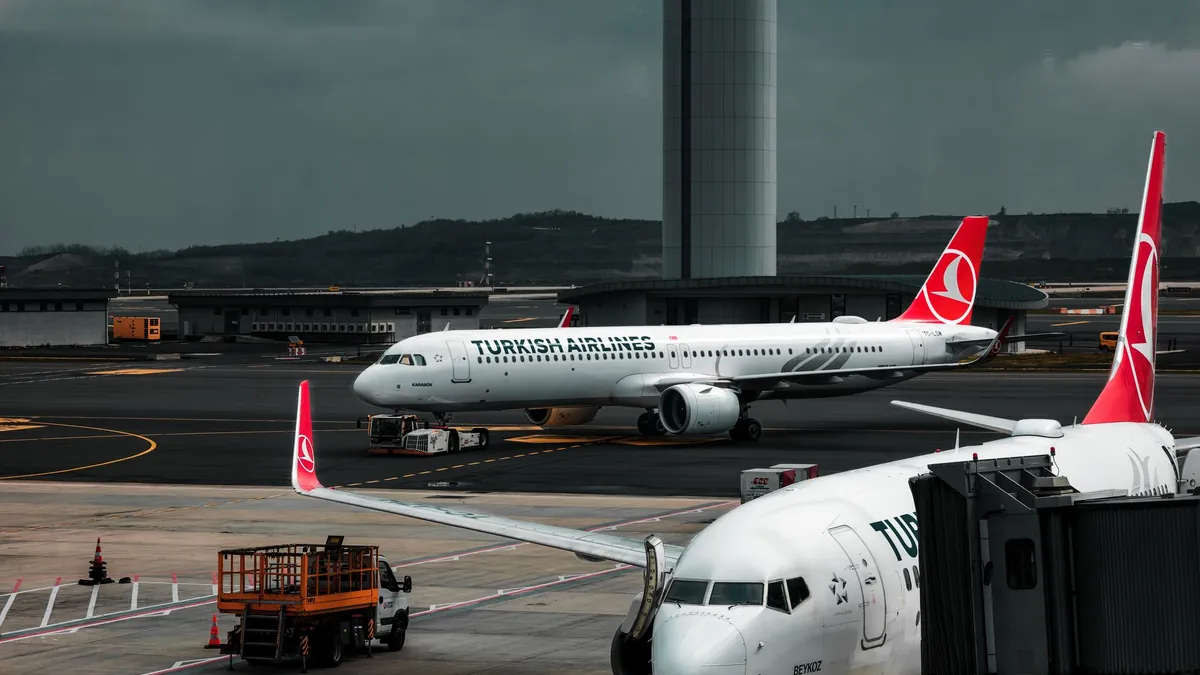
United and American basic economy fares prohibit carry-ons entirely — knowing this before you book prevents expensive surprises at the gate. As outlined in FAA carry-on enforcement guidelines, airlines — not the FAA — control exact dimensions and enforcement strictness.
- Key Takeaway: Always verify your fare class carry-on eligibility before arriving at the airport.
8. Invest in Collapsible Luggage That Expands Only When Needed
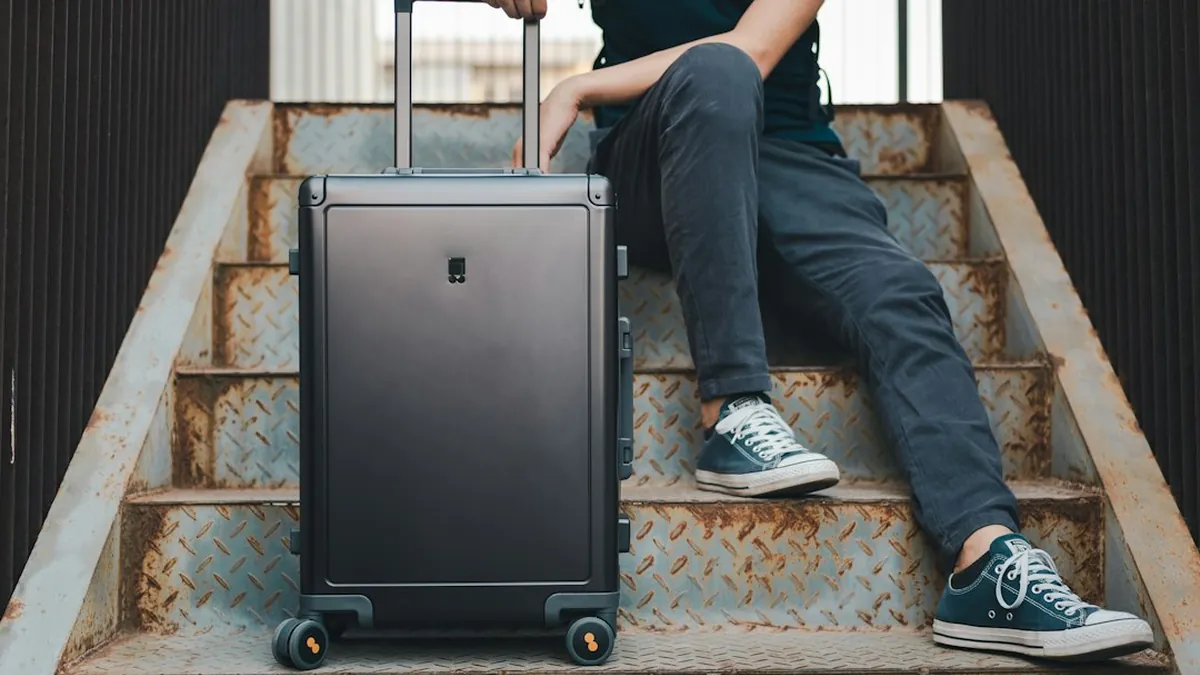
Collapsible bags pass the sizer when compressed and expand after you board — giving you full volume inside the cabin. These bags are legal, widely available, and specifically designed for this purpose.
- Key Takeaway: Look for bags with external compression straps that cinch tight for gate checks and release once onboard.
9. Leverage Premium Cabin Status for Priority Boarding and Bin Access
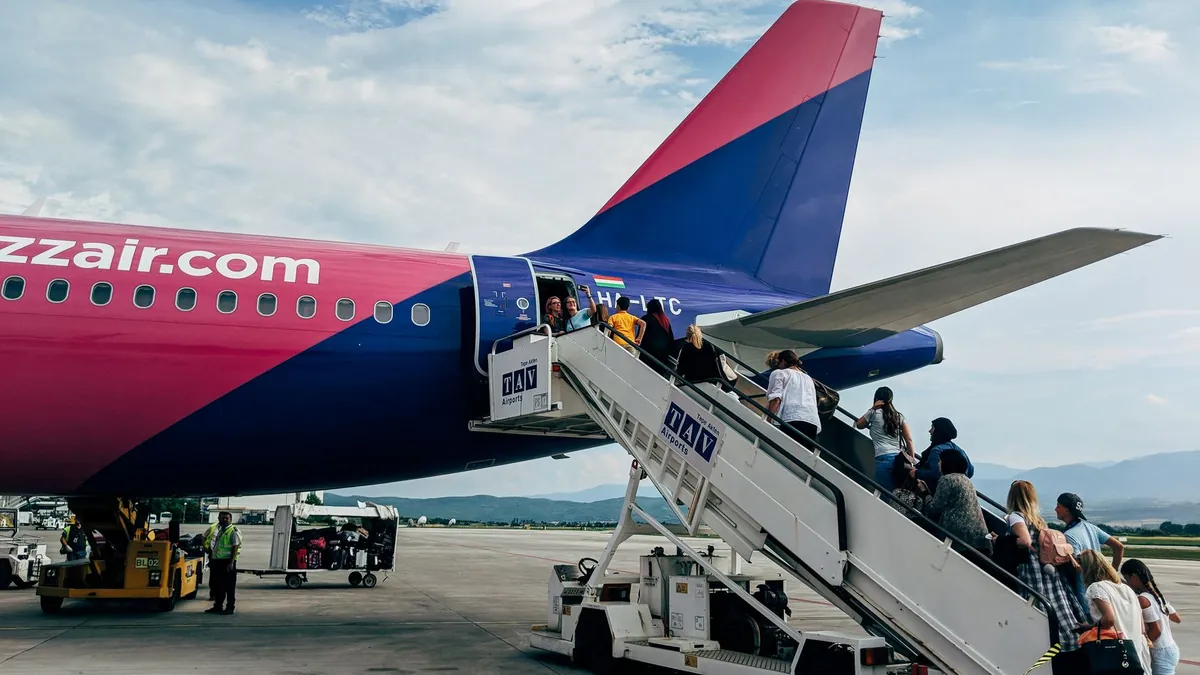
Elite status and premium cabin tickets grant early boarding, larger carry-on allowances, and far less scrutiny from gate agents. Just as airline checkout upsells cost you money, skipping status programs costs you baggage leverage.
- Key Takeaway: Even entry-level elite status often doubles your checked and carry-on bag allowances at no extra fee.
10. Coordinate with Travel Companions to Distribute Items Across Multiple Bags
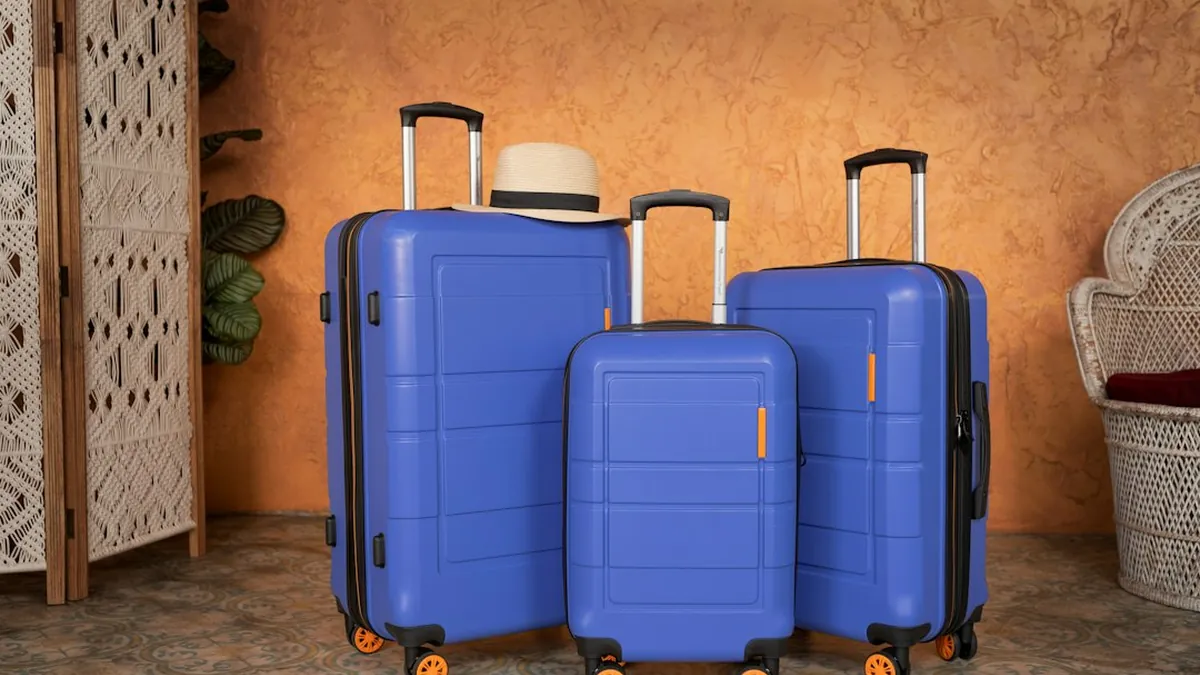
Splitting heavy or bulky items across two travelers’ bags keeps both bags under weight and size limits. Note that powders over 12 oz. should go in checked bags per TSA screening rules — distribute those strategically.
- Key Takeaway: Distribute weight before arriving at the airport — reorganizing at the gate draws immediate agent attention.
11. Research Gate Agent Enforcement Patterns at Your Departure Airport
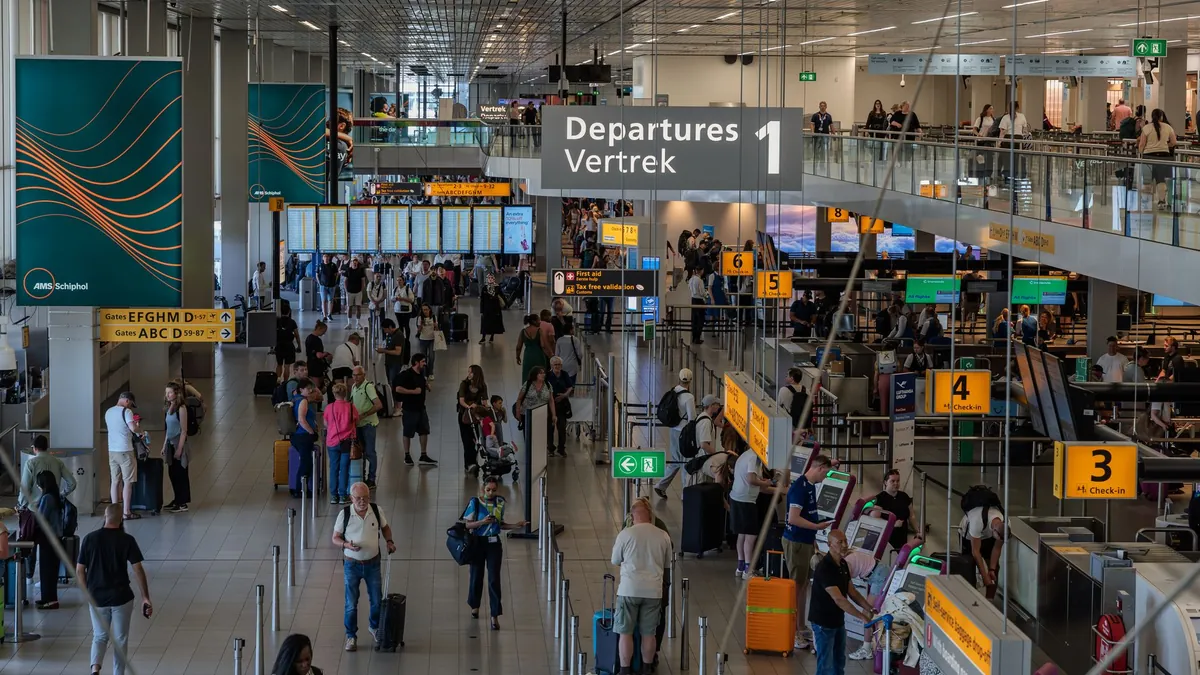
Enforcement strictness varies dramatically by airport, airline hub, and even time of day — frequent flyer forums track which gates actively sizer-check bags. Under 14 CFR 399.80, airlines cannot misrepresent baggage policies, so any enforcement must align with what was disclosed at booking.
- Key Takeaway: Budget carriers at congested hubs enforce bag rules most aggressively — legacy carriers at off-peak times are far more lenient.