8 Red Flags That Prove a Vacation Rental Is a Scam

As participants in Amazon Associates and other programs, we earn from qualifying purchases. This comes at no additional cost to you. For more details, see our Affiliate Disclosure.
Vacation rental scams are surging, and travelers lose thousands of dollars every year to fraudulent listings designed to look completely legitimate. Knowing these eight red flags before you book could save your trip — and your savings.
1. Pressure to Pay Outside Official Booking Platforms
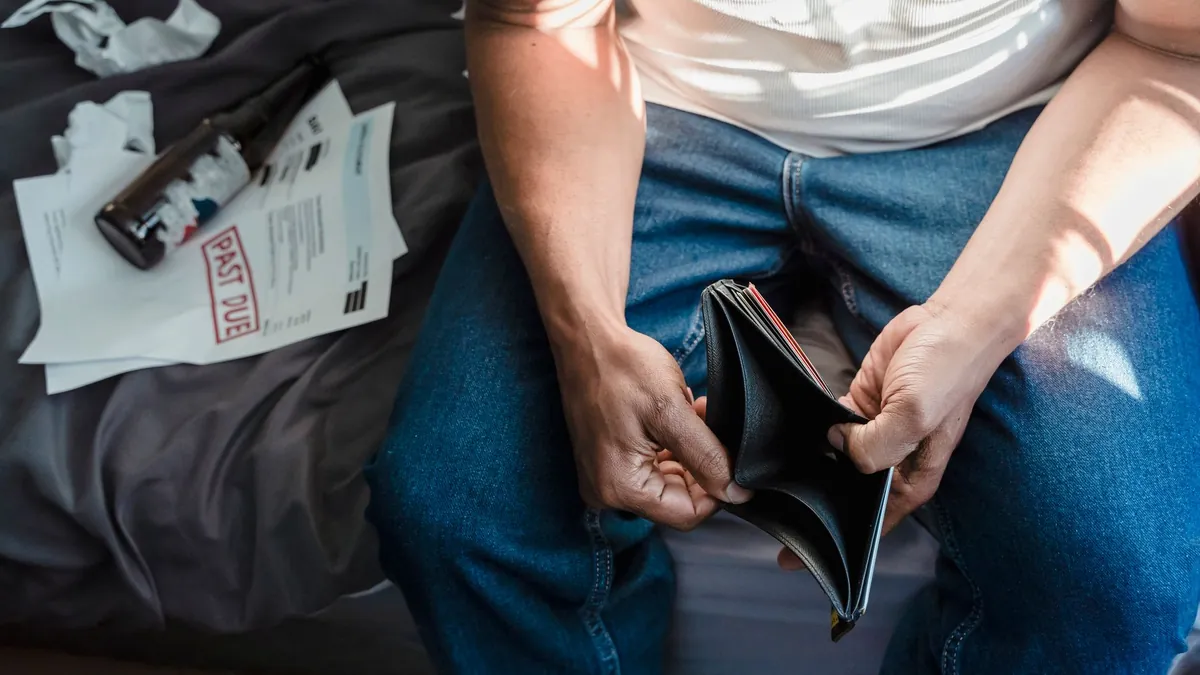
Scammers push wire transfers, cryptocurrency, or direct bank payments specifically to eliminate platform protections and dispute resolution. The FTC warns that off-platform payment requests are the single clearest indicator of rental fraud.
- Key Takeaway: Never send money outside a verified booking platform — there is no recourse once funds transfer.
2. Suspiciously Low Prices Compared to Market Rates

Properties priced dramatically below regional averages are engineered to attract bargain-hunters who skip due diligence. If you’re researching short-term rental options, compare multiple listings to establish a realistic price baseline before committing.
- Key Takeaway: An unusually low price is bait — cross-reference at least three comparable listings before trusting any deal.
3. Inconsistent or Stolen Property Photos
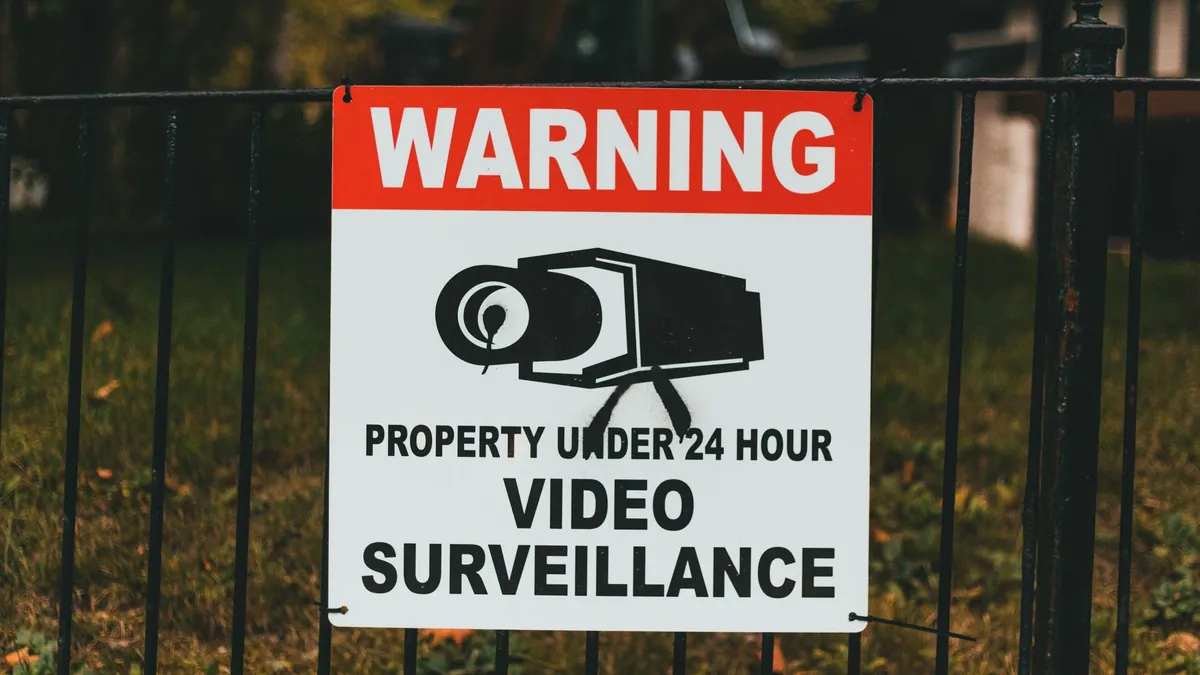
Run every listing photo through Google Reverse Image Search or TinEye immediately. Scammers routinely steal images from legitimate listings, real estate sites, and stock photography libraries to fabricate convincing fake properties.
- Key Takeaway: A reverse image search takes 30 seconds and can instantly expose a fraudulent listing.
4. Landlord Unavailable for Direct Communication

Legitimate hosts respond promptly through official channels and willingly join video calls to verify themselves and the property. Scammers deflect with templated messages, vague excuses, and persistent refusals to communicate in real time.
- Key Takeaway: Always request a live video call showing the interior before sending any payment.
5. Vague or Missing Property Details and Amenities
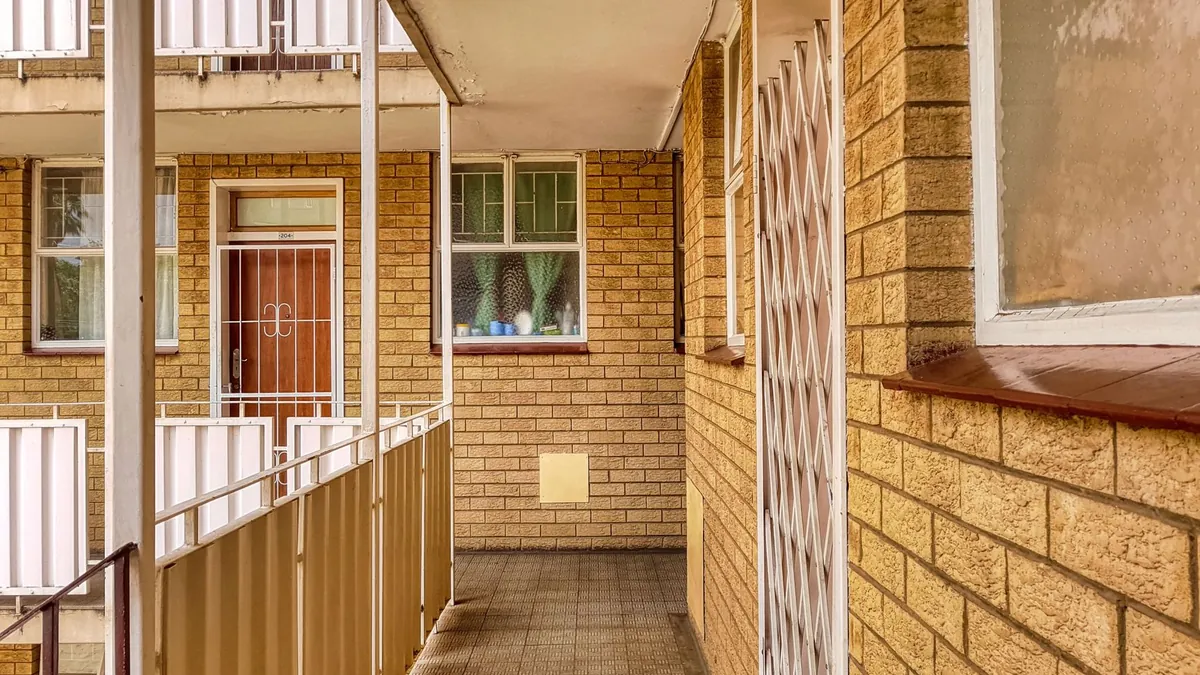
Fraudulent listings deliberately omit specific addresses, floor plans, and accurate room descriptions to prevent verification. Understanding what legitimate accommodations should include — like proper rental space standards — helps you spot listings that lack basic credibility.
- Key Takeaway: Demand a full property address and verify it independently on Google Maps Street View.
6. Requests for Large Upfront Deposits Before Booking Confirmation

Legitimate platforms hold payments in escrow until check-in, protecting both parties from fraud. Scammers demand large immediate deposits to lock in funds before victims realize the property doesn’t exist — understanding how deposits work helps you recognize abnormal requests.
- Key Takeaway: Any deposit demanded before official booking confirmation is a serious fraud warning sign.
7. Unverified Host Profiles with Limited Booking History

New accounts with zero reviews, no profile photo, and recently created registration dates carry significantly elevated fraud risk. When fraudulent Airbnb hosts fabricate property damage to steal deposits, taking them to small claims court remains one of the most effective ways to recover your money.
- Key Takeaway: Only book hosts with verified identities, multiple reviews, and at least six months of platform history.
8. Contradictory Information Across Multiple Listings
The same property appearing under different names, prices, or host accounts across platforms exposes coordinated scam operations. File reports with the FBI’s Internet Crime Complaint Center at ic3.gov, file a local police report, and warn other travelers through reviews and forums immediately.
- Key Takeaway: Reporting duplicate listings protects future travelers — your warning could save someone else’s entire vacation budget.