7 Things to Never Touch in Hotel Rooms
As participants in Amazon Associates and other programs, we earn from qualifying purchases. This comes at no additional cost to you. For more details, see our Affiliate Disclosure.
Most hotel rooms look clean — but looks are deceiving when it comes to the surfaces that never get properly disinfected between guests.
These hotel room hygiene tips target the seven dirtiest contact points you should sanitize or avoid the moment you check in.
1. Remote Control: The Most Bacteria-Laden Object in Your Room
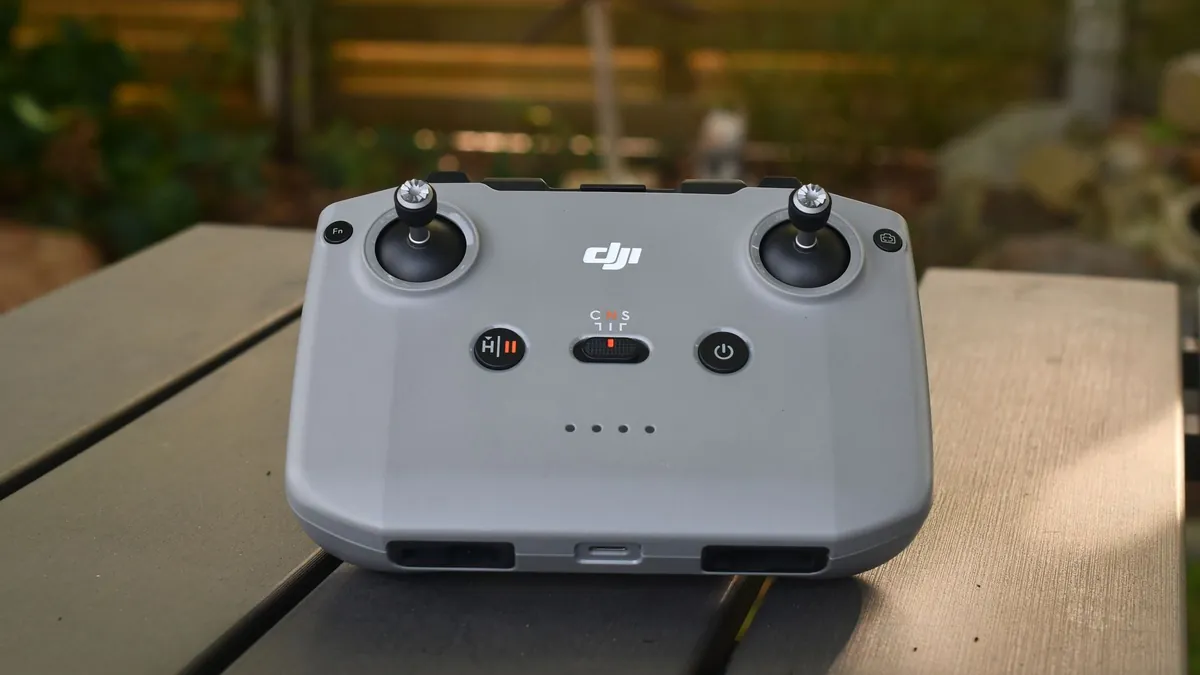
The remote control is handled by every guest yet almost never wiped down by housekeeping between stays. Research shows viruses can survive on hard surfaces for up to 7 days, making this plastic device a serious contamination risk.
- Key Takeaway: Seal the remote in a plastic bag or wipe it with a disinfectant wipe immediately upon arrival.
2. Light Switches: High-Touch Surfaces Nobody Sanitizes
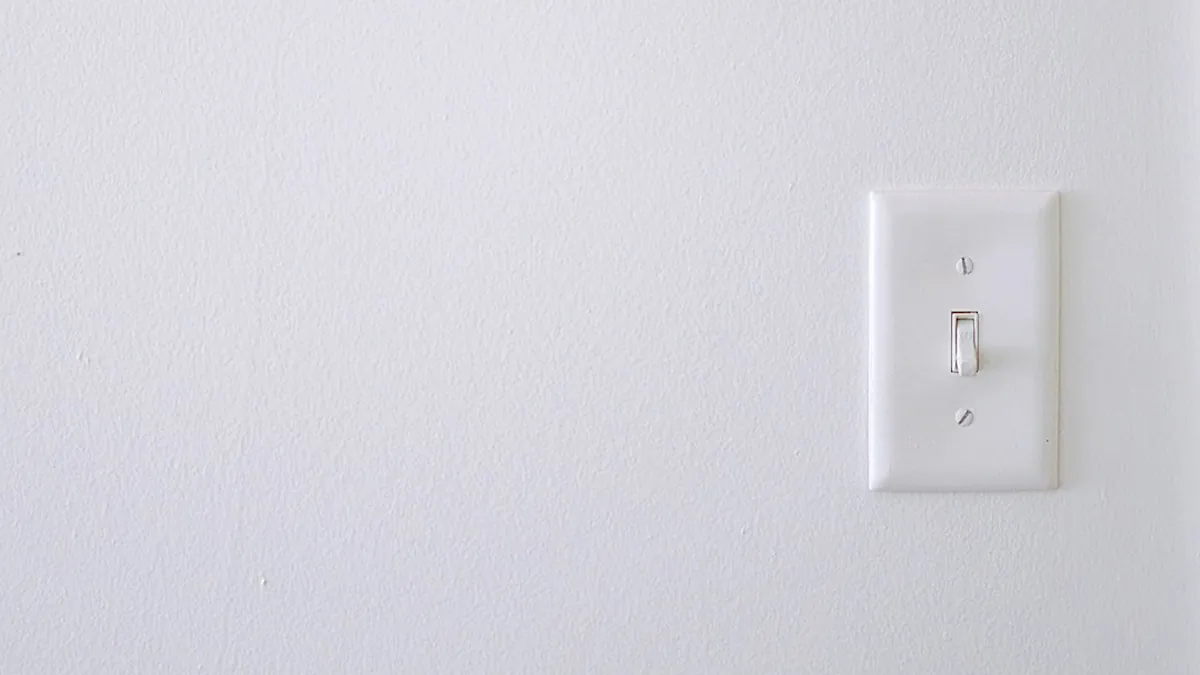
Light switches are touched dozens of times daily by guests, housekeeping, and maintenance staff without sanitization in between. They rank among the top overlooked surfaces in any solid list of hotel room hygiene tips.
- Key Takeaway: Wipe all switches with an EPA-registered disinfectant, allowing a full 10-minute contact time for effective pathogen elimination.
3. Door Handles and Locks: Entry Points for Contamination
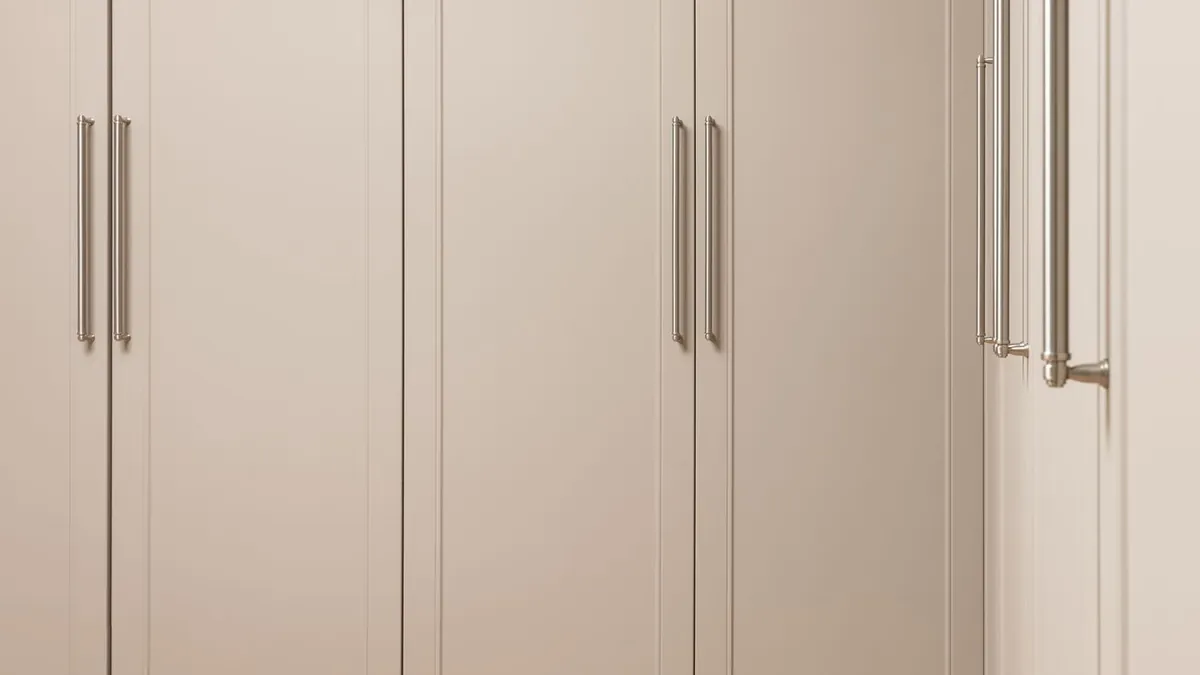
Door handles are touched by every person who enters your room — previous guests, housekeeping, and maintenance personnel. If you want to avoid getting sick while traveling, disinfecting handles the moment you enter is non-negotiable.
- Key Takeaway: Use a disinfectant wipe on both the interior and exterior handle before settling in.
4. Bathroom Faucet Handles: The Germiest Spot in the Bathroom
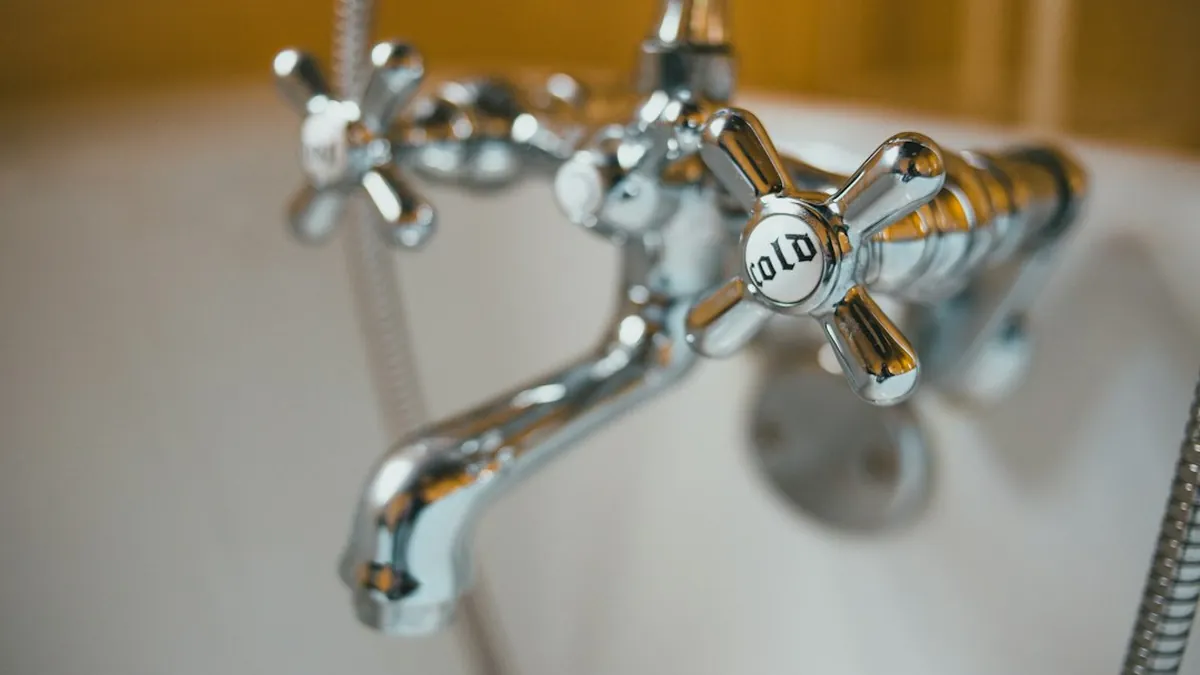
Bathroom faucet handles are consistently identified as some of the germiest surfaces in hotel bathrooms, touched repeatedly by unwashed hands. Understanding what a private bathroom means in hotels doesn’t guarantee those fixtures are properly sanitized between guests.
- Key Takeaway: Disinfect faucet handles before using the sink for the first time, especially before any food contact.
5. Toilet Seat and Surrounding Surfaces: Minimal Disinfection Protocols
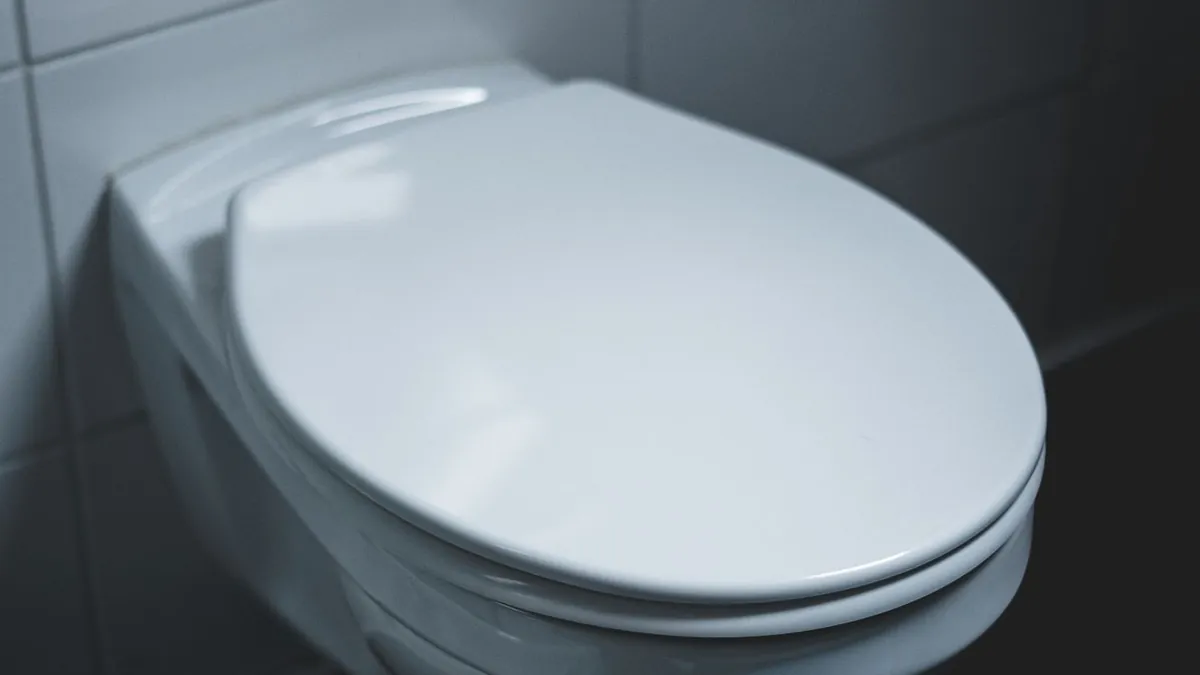
Toilet seats and the surfaces immediately surrounding them have direct contact with bodily fluids and often receive only superficial cleaning. According to peer-reviewed infection control research, pathogens on bathroom surfaces pose measurable transmission risks to subsequent occupants.
- Key Takeaway: Use toilet seat covers or wipe the seat with disinfectant before use every single time.
6. Bedspread and Decorative Pillows: Dust Mite Hotspots
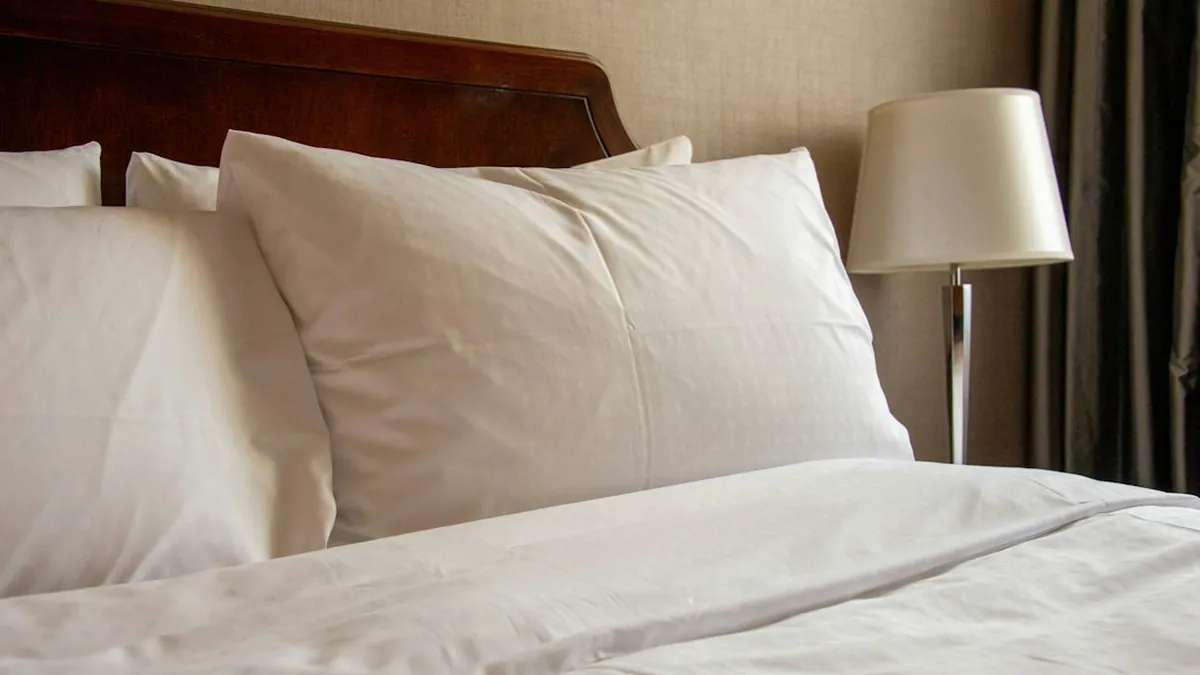
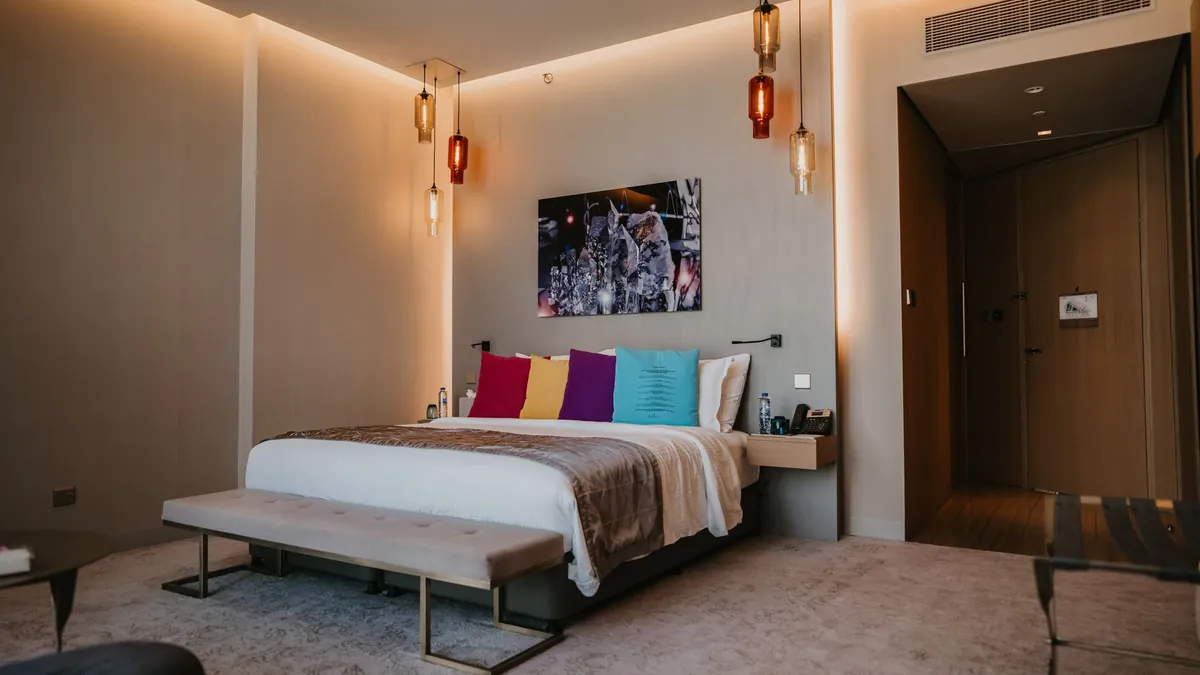
Hotel bedding that is not washed at high temperatures between every guest can harbor significant dust mite populations, and decorative pillows are laundered even less frequently than sheets. Allergen exposure from these items can trigger reactions throughout your entire stay.
- Key Takeaway: Remove the bedspread and decorative pillows immediately — store them in the closet and never sleep under them.
7. Telephone Handset: Bacteria Transferred Directly to Your Face
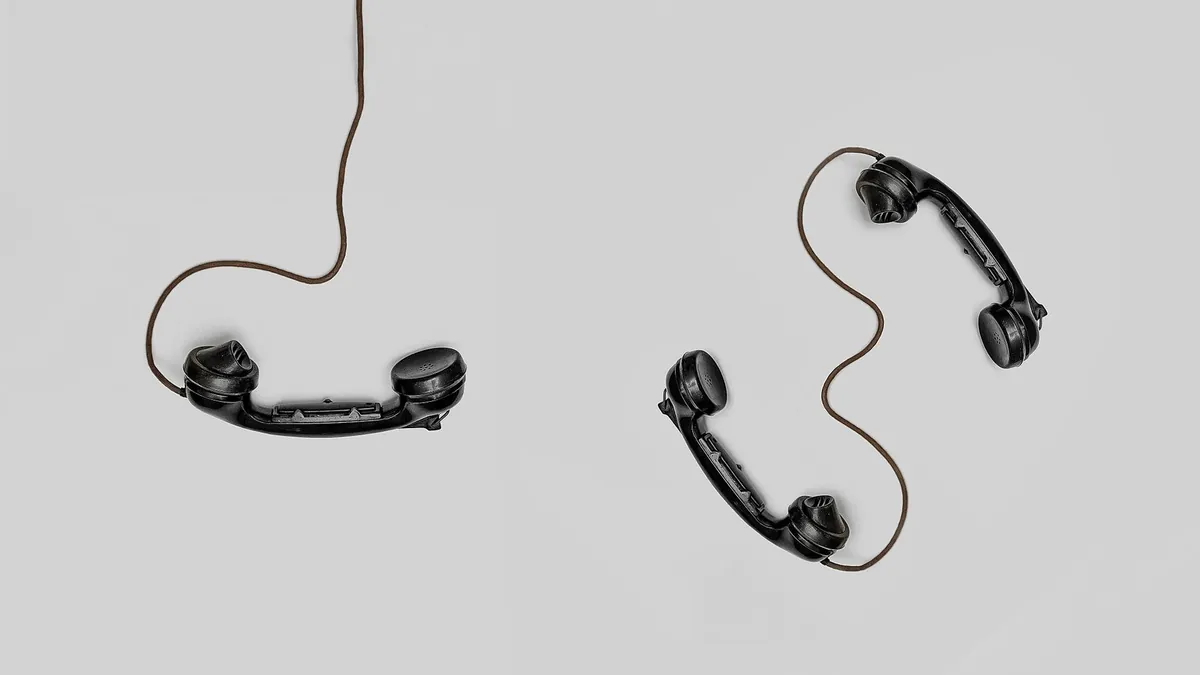
The in-room telephone handset is rarely sanitized between guests and transfers bacteria directly to your mouth, cheek, and ear during use. It rivals the remote control as one of the most neglected surfaces in any room, according to hotel hygiene audits.
- Key Takeaway: Wipe the handset, keypad, and cord with a disinfectant wipe before making any calls during your stay.
Applying these hotel room hygiene tips takes under five minutes but dramatically reduces your exposure to pathogens left behind by previous guests.