7 Packing Habits That Flag Your Bag for TSA Screening
As participants in Amazon Associates and other programs, we earn from qualifying purchases. This comes at no additional cost to you. For more details, see our Affiliate Disclosure.
Airport security lines have a way of humbling even the most seasoned travelers, and the culprit is rarely what people expect. Most flyers assume that as long as they’re not carrying anything overtly dangerous, they’ll breeze through the checkpoint without a second glance from a TSA officer.
The uncomfortable truth is that your TSA screening packing habits — not just your actual items — are what determine whether your bag gets flagged. According to TSA’s official screening guidelines, how you pack matters just as much as what you pack, and most travelers are making avoidable mistakes that cost everyone time at the checkpoint.
1. Overstuffing Liquids and Gels Beyond the 3-1-1 Rule

The 3-1-1 rule is one of the most publicized policies in air travel, yet it remains one of the most violated. Exceeding the 3.4-ounce limit per container or cramming multiple liquids into an oversized bag triggers automatic secondary screening and near-certain confiscation. If you’re also wondering about water bottle rules on planes, the same liquid restrictions apply at the checkpoint.
- Key Reality: All liquids, aerosols, and gels must fit in 1 quart-sized, clear, resealable bag — 1 bag per passenger, no exceptions.
2. Layering Prohibited Items in Carry-On Luggage
Sharp objects, multi-tools, and certain sporting equipment packed into accessible carry-on compartments without proper declaration are an immediate red flag for TSA agents. The moment an officer spots a suspicious silhouette on the X-ray monitor, your bag is pulled for a full manual inspection. Item seizure is not a negotiation — it’s a consequence.
- Key Reality: Sharp items like knives and box cutters are strictly prohibited in carry-on bags and must be packed in checked luggage only.
3. Concealing Electronics Without Proper Accessibility
Burying your laptop or tablet at the bottom of a packed carry-on is one of the most reliable ways to guarantee a bag search. TSA officers are required to screen personal electronic devices separately, and an inaccessible device means your entire bag gets unpacked at the conveyor belt. Those airline baggage surcharges sting enough without adding a 20-minute security delay on top.
- Key Reality: Laptops, tablets, e-readers, and handheld game consoles must be removed from bags and placed in a separate bin for X-ray screening.
4. Mixing Checked and Carry-On Restricted Items

Many travelers don’t realize that certain items are permitted in checked baggage but absolutely prohibited in carry-ons — and vice versa. This confusion creates real bottlenecks at checkpoints, forcing officers to conduct additional screening procedures that delay entire lines. Knowing the distinction before you pack is a non-negotiable part of smart travel preparation.
- Key Reality: Items like lithium batteries are restricted in checked baggage but allowed in carry-ons, while firearms must be declared and stored only in checked luggage.
5. Packing Aerosol Containers Improperly or Undeclared
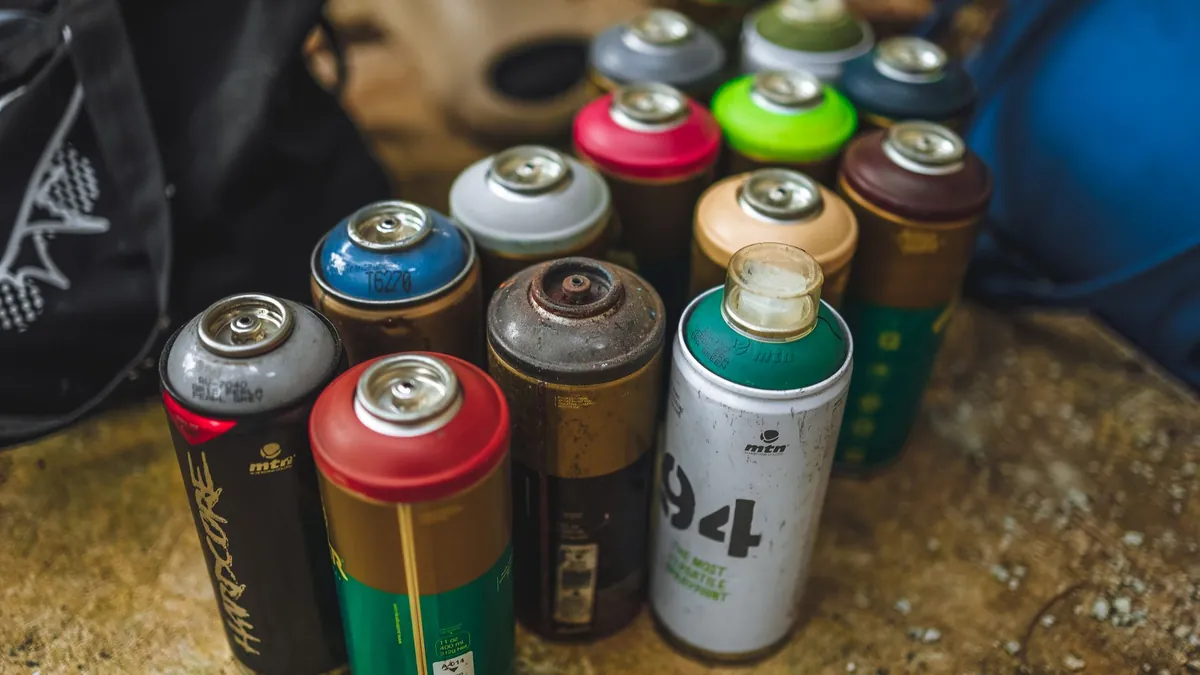
Spray deodorants, dry shampoos, and pressurized cans without secured caps are a consistent trigger for TSA scanner alerts. Uncapped aerosols can leak, pressurize unpredictably, or simply appear ambiguous on X-ray imaging — all of which prompt manual verification. Declaring these items properly and securing every cap before packing is the simplest fix available.
- Key Reality: Aerosols in checked baggage must have caps secured and cannot exceed 70 ounces total per passenger across all containers.
6. Leaving Bags Unorganized With Suspicious Density Patterns

Haphazardly packed luggage doesn’t just frustrate you at the hotel — it actively flags your bag on the X-ray monitor. Dense, uneven clusters of items create visual noise that makes it impossible for officers to confirm what they’re seeing, and TSA guidelines explicitly note that cluttered bags obstruct clear imaging. A physical bag search is the guaranteed outcome when the machine can’t produce a clean read.
- Key Reality: TSA officers are authorized to instruct travelers to separate foods, powders, and dense materials from carry-ons to improve X-ray clarity.
7. Carrying Ammunition or Firearm Components Without Proper Declaration
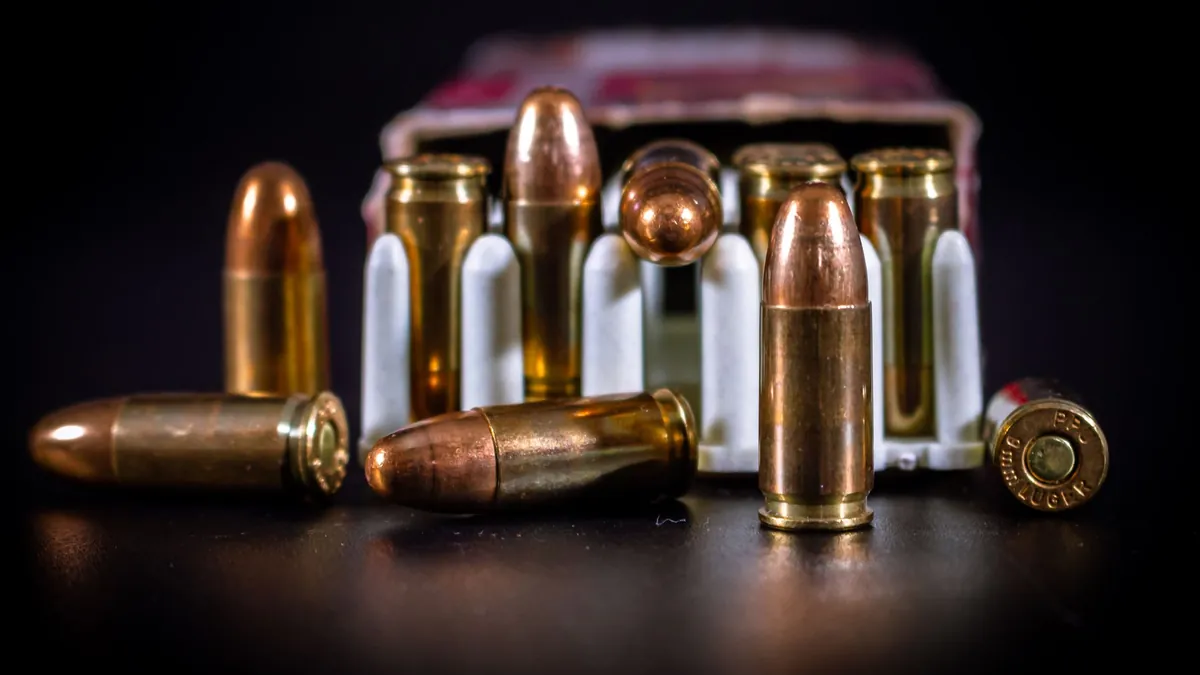
Transporting ammunition, gun parts, or firearm-related materials without following TSA’s strict declaration and packaging protocols doesn’t just flag your bag — it can result in immediate law enforcement involvement. Even travelers with legal ownership and proper permits face serious consequences if declaration steps are skipped or packaging requirements aren’t met. Per TSA’s travel guidelines, no ambiguity is tolerated in this category.
- Key Reality: Ammunition must be in its original manufacturer’s packaging or a specifically designed container, and firearms must be unloaded and declared at check-in.
Your TSA screening packing habits are a direct reflection of how prepared — or unprepared — you are for modern air travel, and the checkpoint is where that preparation gets graded in real time. Small, intentional changes to how you organize your bag before leaving home can mean the difference between a smooth security experience and a stressful, public bag search. If any of these habits hit close to home, drop your own airport security story in the comments below.