Why Third-Party Ticket Resellers Are Risky
As participants in Amazon Associates and other programs, we earn from qualifying purchases. This comes at no additional cost to you. For more details, see our Affiliate Disclosure.
Scoring tickets to a sold-out concert or a championship game feels like a victory in itself — and for millions of fans, third-party resale platforms seem like the obvious solution when official channels run dry. The secondary ticket market has exploded in scale, with platforms aggressively marketing convenience, speed, and guaranteed access to nearly any event imaginable. What most buyers don’t realize is that this convenience often comes with consequences that aren’t disclosed until it’s far too late.
The assumption that a purchased ticket is a valid ticket is dangerously optimistic in today’s resale landscape. Third-party ticket resellers risks range from counterfeit listings to predatory pricing structures that bear almost no resemblance to the original face value. Understanding exactly where these risks live — and why they’re so difficult to spot — is essential before you hand over your payment details to any secondary marketplace.
Counterfeit Tickets and Price Manipulation Strip Buyers of Real Value
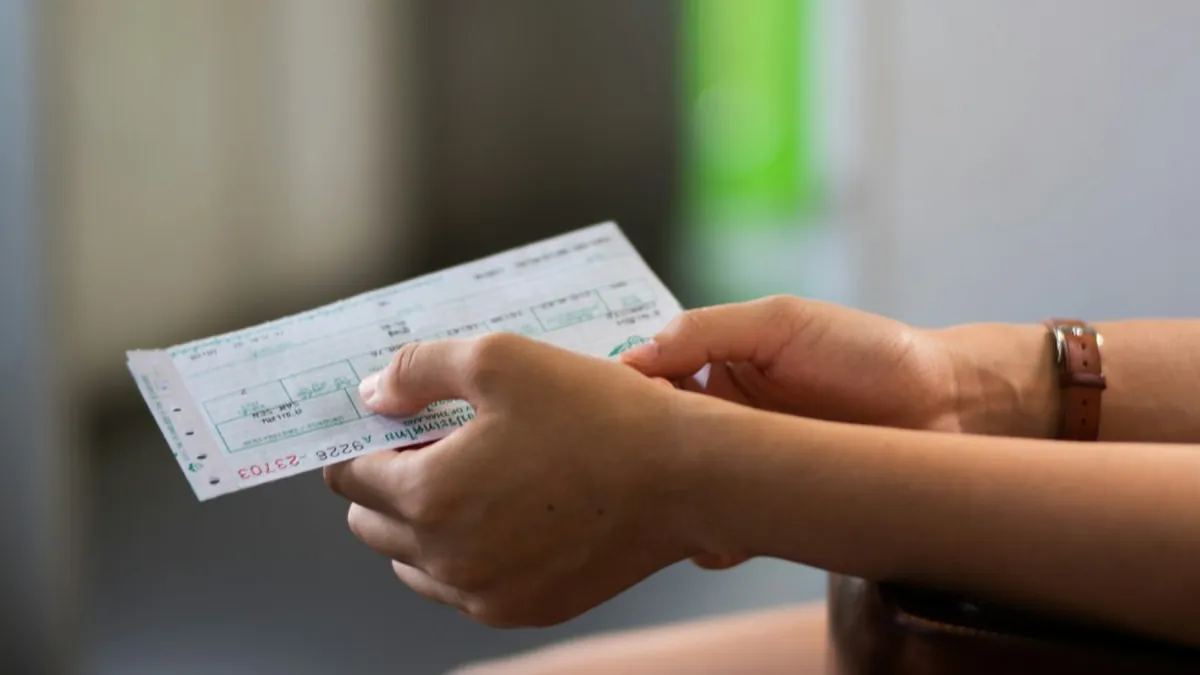
Duplicate and counterfeit tickets are among the most damaging outcomes buyers face on third-party platforms, and they’re far more common than the industry publicly acknowledges. Fraudulent sellers can list the same ticket multiple times, meaning several buyers pay full price for access that only 1 person will actually receive at the gate. By the time the deception is discovered — typically at the venue entrance — the seller has vanished and the event has already begun.
Price manipulation compounds the problem in a separate but equally damaging way. Resellers routinely inflate base prices by 3 to 10 times face value, then layer on undisclosed service fees, delivery charges, and processing costs that only appear at checkout — a practice that Consumer Reports has actively lobbied against, successfully pushing New York to legislate greater fee transparency for ticket buyers.
Weak Consumer Protections and Deceptive Platforms Leave Personal Data Exposed
Beyond the ticket itself, the payment process on unverified resale sites introduces serious data security vulnerabilities that most buyers never consider. According to Anura, harvested payment data can lead directly to identity theft, phishing attacks, and credential stuffing — all of which can be triggered by a single transaction on a fraudulent or poorly secured platform. This risk is especially acute when buyers are rushing through checkout under the pressure of limited ticket availability. Much like the hidden traps travelers encounter when ATM surcharge fees quietly drain their funds in tourist zones, resale platform fees and data risks operate in the background until the damage is already done.
Chargeback protections, which many buyers assume will rescue them from fraudulent purchases, are far less reliable on third-party platforms than on official retail channels. Payment network rules — including Visa’s dispute management guidelines — govern how chargebacks are processed, but resale platforms often structure their terms of service to classify all sales as final, making dispute resolution extremely difficult. Savvy buyers should treat third-party ticket purchases with the same caution they apply to other high-risk online transactions, always verifying platform legitimacy before entering any financial information.
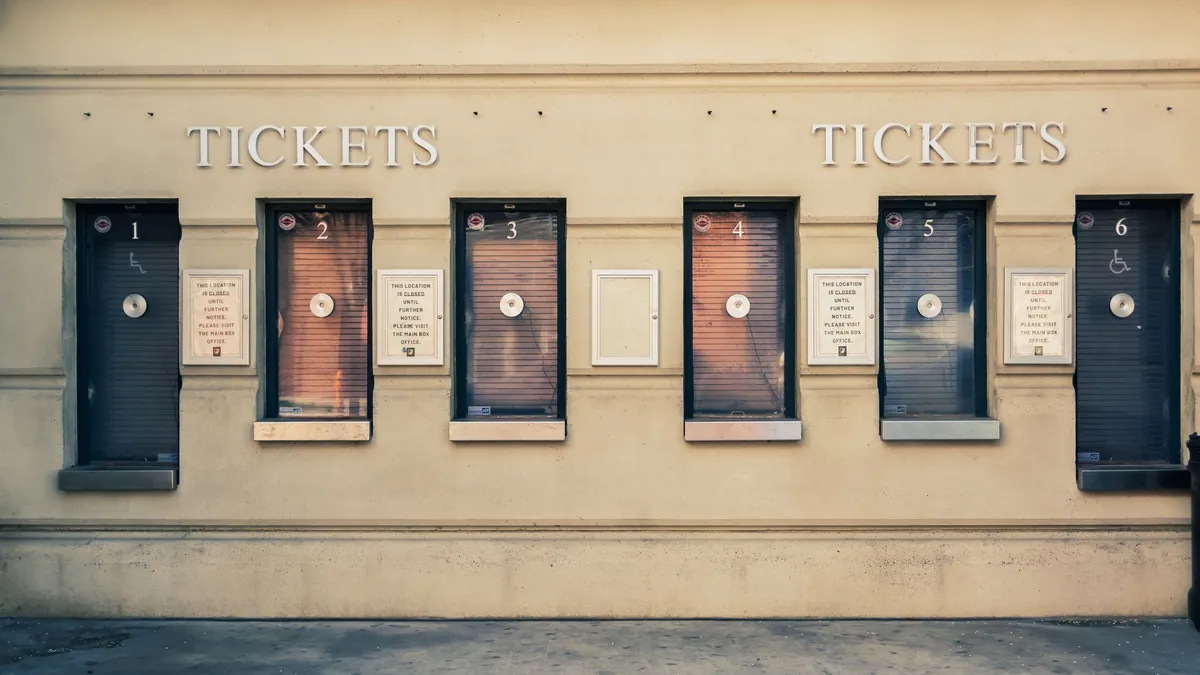
Third-party ticket resellers risks are not theoretical edge cases — they are documented, systemic, and growing alongside the secondary market itself. Protecting yourself starts with demanding transparency on fees, verifying seller credentials, and defaulting to official box office or venue-authorized channels whenever possible. Have you ever been burned by a third-party ticket platform? Share your experience in the comments below.