Inspect Hotel Kettle Interiors Before Brewing Coffee
As participants in Amazon Associates and other programs, we earn from qualifying purchases. This comes at no additional cost to you. For more details, see our Affiliate Disclosure.
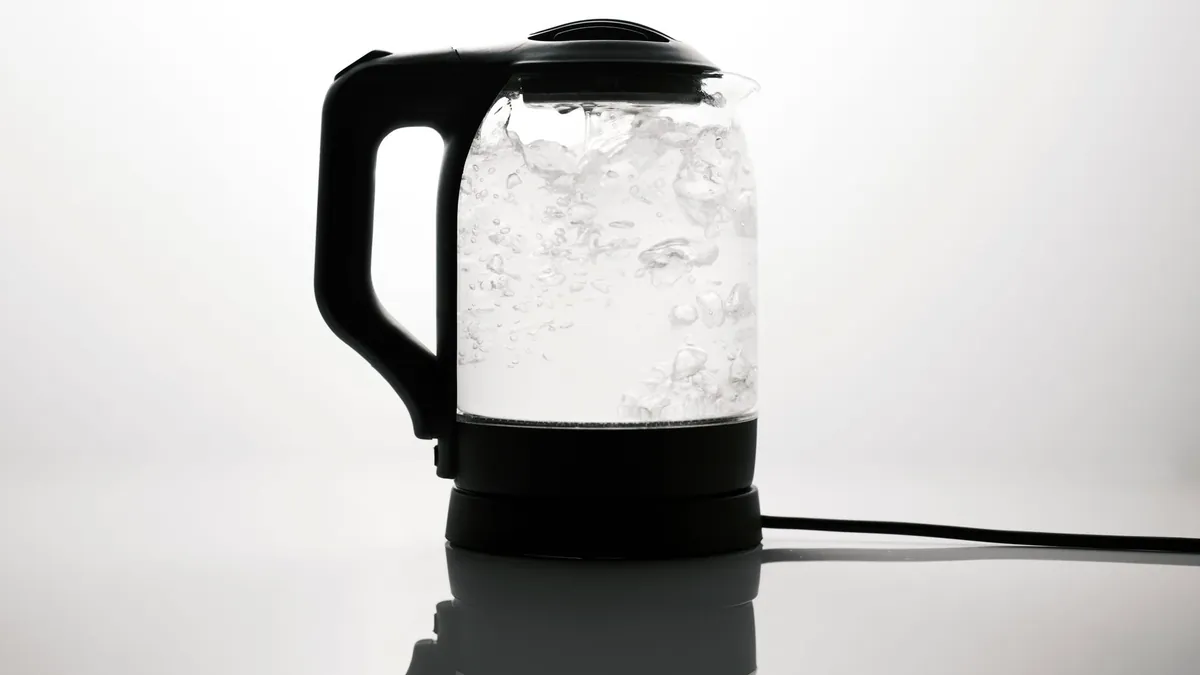
Hotel rooms have a way of feeling deceptively clean — fresh linens, a tidy desk, and that little electric kettle sitting on the counter like a thoughtful amenity. Most travelers reach for it without a second thought, especially after a long flight or a late check-in when a hot cup of coffee or tea feels like a basic human right. It’s the kind of small comfort that rarely raises any red flags.
The problem is that hotel kettles are among the least-regulated surfaces in any room, often wiped down on the outside but almost never properly sanitized on the inside between guests. Unlike bathroom fixtures that trigger obvious hygiene instincts, the interior of a kettle sits out of sight and, for most people, entirely out of mind. That invisibility is exactly what makes it worth your attention before you brew a single cup.
What’s Actually Living Inside That Hotel Kettle
Stagnant water left inside a kettle between guests creates a low-level but real breeding environment for pathogens including bacteria like E. coli, , and Pseudomonas, as well as protozoan parasites like Cryptosporidium and Giardia cysts. According to research cited by Long Road Home Project, a full rolling boil does eliminate most of these threats — but only if the water actually reaches that temperature and the kettle itself isn’t compromised. A cracked or heavily scaled interior can prevent even heat distribution and reduce boiling efficiency.
Heavy metal leaching is a separate and underappreciated risk, particularly in older or lower-quality kettles where interior coatings have degraded. Elements like lead, cadmium, and nickel — all flagged as health hazards by peer-reviewed food safety research — can migrate into boiling water from corroded metal or deteriorating plastic components. This isn’t a theoretical concern; it’s a documented consequence of repeated high-heat cycles on aging materials.
The 30-Second Visual Check That Protects Every Cup You Brew
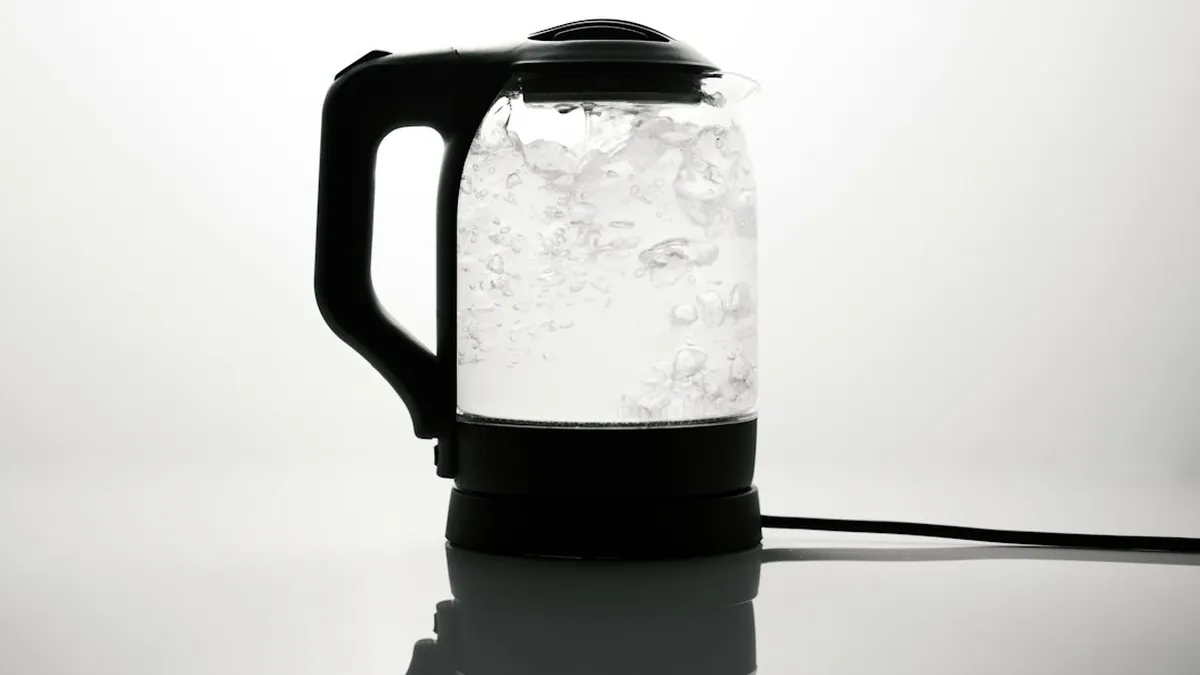
Before you fill and switch on any hotel kettle, tilt it toward a light source and look inside for 3 key warning signs: visible limescale buildup coating the heating element, discoloration or rust-colored staining on the interior walls, and any floating debris or film on residual water. Limescale itself isn’t acutely toxic, but thick mineral deposits trap bacteria and compromise boiling performance — and they signal a kettle that hasn’t been properly maintained. If you spot any of these, request a replacement from housekeeping without hesitation.
Savvy travelers who already apply this level of scrutiny to hotel room safety habits know that a quick inspection costs nothing and consistently pays off. It’s also worth noting that plastic-bodied kettles showing internal yellowing or surface crazing from heat stress can leach chemical compounds directly into your water — a risk that compounds with every boil cycle. When in doubt, the hotel lobby’s coffee station is always a safer fallback.
Taking 30 seconds to inspect hotel kettle before use is one of the simplest, highest-return health habits any traveler can build into their check-in routine. The risks are real, the fix is effortless, and your morning cup genuinely deserves better than an unchecked appliance. Drop your own hotel kettle horror stories or inspection tips in the comments below — fellow travelers will thank you for it.