11 Travel Scams Across Europe & How to Avoid Them

As participants in Amazon Associates and other programs, we earn from qualifying purchases. This comes at no additional cost to you. For more details, see our Affiliate Disclosure.
Europe attracts millions of tourists every year — and scammers know it. Knowing these 11 travel scams Europe travelers face most often can save your money, your data, and your trip.
1. Counterfeit Street Vendor Merchandise: Protect Yourself from Fake Designer Goods and Overpriced Souvenirs
Street vendors near major landmarks sell fake designer bags, watches, and souvenirs at inflated prices. Always buy from licensed shops and never feel pressured into a purchase.
- Key Takeaway: Buying counterfeit goods is illegal in many European countries — you could face fines as a buyer.
2. The Sleight-of-Hand Money Exchange: Recognizing Slow Counting and Currency Switcheroo Tactics at Street Level

Unofficial money changers count cash slowly, swap bills mid-count, or shortchange you with expired notes. Always use bank ATMs or official exchange bureaus for currency conversion.
- Key Takeaway: Count your money yourself before walking away from any exchange transaction.
3. Unlicensed Taxi and Rideshare Fraud: Verifying Legitimate Transportation Before You Get In
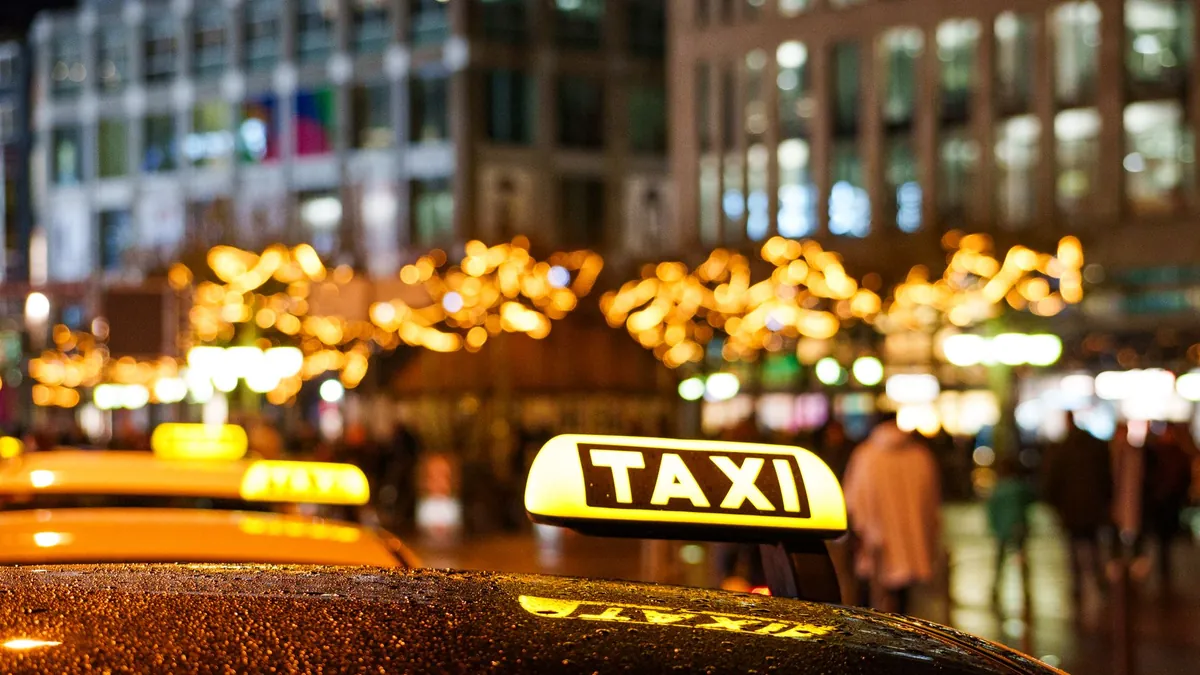
Unlicensed taxis overcharge tourists dramatically, especially outside airports and train stations. Always confirm the driver’s credentials and insist on a metered fare before entering any vehicle.
- Key Takeaway: Use official taxi ranks or verified apps like Uber or Bolt to book rides safely.
4. Restaurant Bill Padding and Hidden Charges: How to Spot Inflated Prices and Unauthorized Fees

Some tourist-area restaurants add unsolicited bread, cover charges, or service fees that inflate your bill significantly. Always request an itemized receipt and review it carefully before paying.
- Key Takeaway: Check the menu for cover charge disclosures before you sit down and order.
5. Distraction-Based Pickpocketing Techniques: Understanding Common Theft Diversions in Crowded Areas
Pickpockets work in teams — one distracts while another lifts your wallet or phone. As Rick Steves outlines in his theft and scam guide, staying alert in crowded tourist spots is your best defense.
- Key Takeaway: Wear a money belt and keep bags zipped and in front of your body at all times.
6. Fake Charity and Begging Scams: Identifying Fraudulent Appeals and Staged Sympathy Tactics
Organized groups use children or staged disabilities to solicit donations, then pass proceeds to criminal networks. Donate only through registered charities, never to individuals approaching you on the street.
- Key Takeaway: A polite but firm refusal is always acceptable — you owe no explanation to strangers.
7. ATM Skimming and Card Cloning Devices: Safeguarding Your Financial Information at Cash Machines
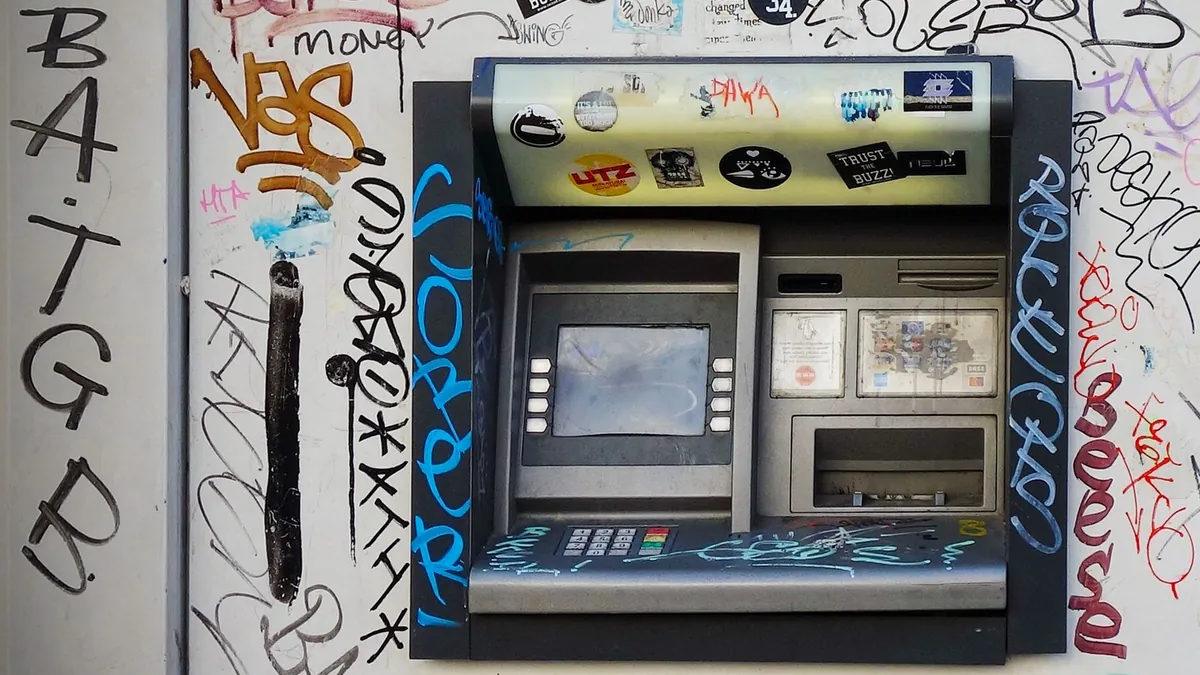
Criminals attach skimming devices to ATMs that capture your card data and PIN invisibly. Use ATMs attached to bank branches, cover the keypad when entering your PIN, and monitor transactions daily.
- Key Takeaway: Enable real-time transaction alerts on your bank app to catch unauthorized charges immediately.
8. Aggressive Street Vendor Sales Pressure: De-escalating Pushy Tactics and Unwanted Transactions

Vendors place bracelets on your wrist or thrust roses into your hand, then demand payment aggressively. Say “no thank you” firmly, avoid eye contact, and keep walking without engaging further.
- Key Takeaway: Accepting anything for “free” from a stranger on the street almost always comes with strings attached.
9. Counterfeit Coin and Currency Substitution: Verifying Authentic Money Before Accepting Change
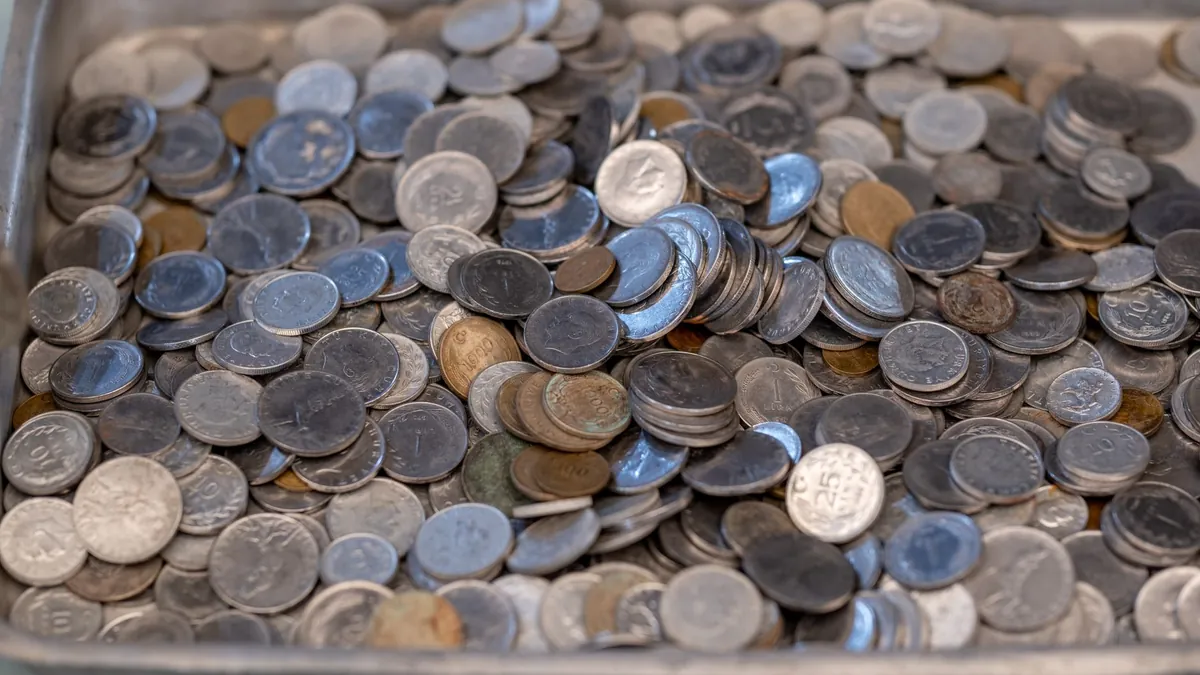
Scammers pass off foreign coins or discontinued currency as valid change, particularly in busy market settings. Familiarize yourself with local denominations before travel — check our guide on essential France travel knowledge as a starting point.
- Key Takeaway: Count your change on the spot every single time, even if it feels awkward.
10. Credit Card Skimming and Photography Theft: Protecting Your Card Data in Restaurants and Shops
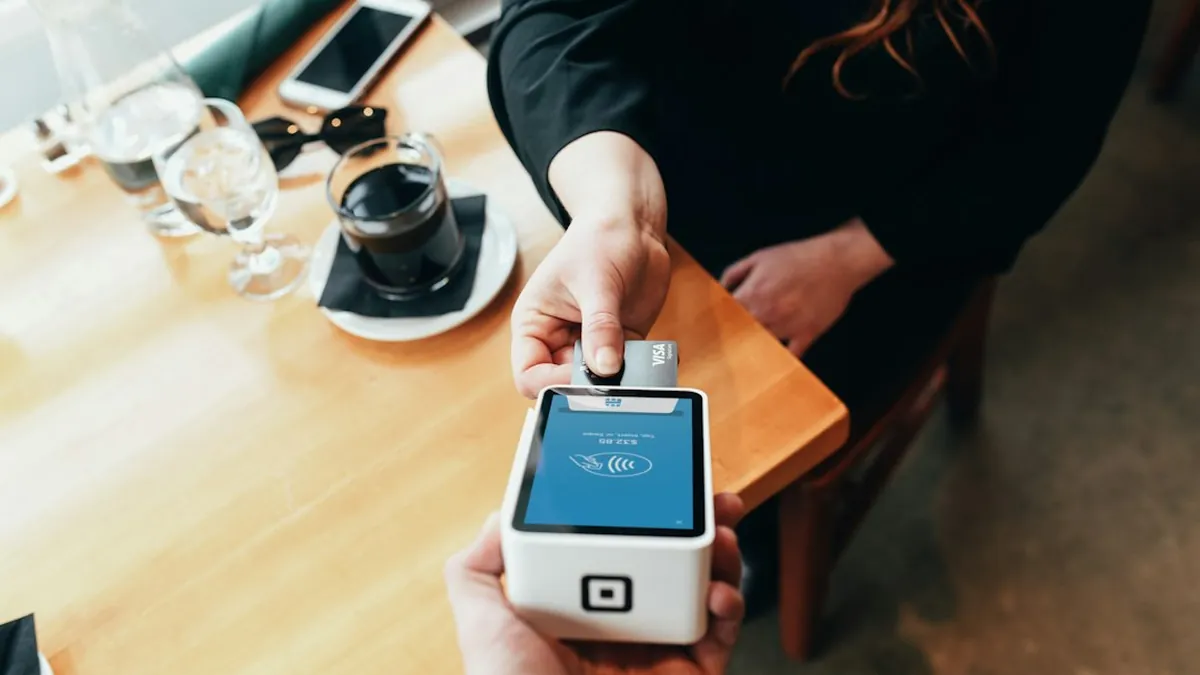
Staff in some tourist-heavy venues photograph card details or use handheld skimmers when processing payments. Always pay at the terminal yourself and use contactless or digital wallet payments wherever possible.
- Key Takeaway: A virtual card with a spending limit is one of the safest tools for travel payments abroad.
11. Fake Tourist Attraction Tickets and Tour Operator Fraud: Booking Through Verified Channels Only

Fraudsters sell counterfeit tickets to popular attractions or create fake Airbnb listings that push off-platform payments — a tactic ESET’s Airbnb scam report confirms traps thousands annually. Book exclusively through official websites or verified platforms. Take a moment to think twice about every booking message you receive, and your chances of falling victim to fraud will be significantly reduced.
- Key Takeaway: If a deal looks too good to be true or a host requests off-platform payment, walk away immediately.