5 Boarding Pass Mistakes Compromising Your Data
As participants in Amazon Associates and other programs, we earn from qualifying purchases. This comes at no additional cost to you. For more details, see our Affiliate Disclosure.
Your boarding pass contains more exploitable data than most travelers realize — and one careless move can hand identity thieves everything they need.
1. Sharing Your Complete Boarding Pass on Social Media Exposes Your Barcode and Personal Information

Posting a boarding pass photo online exposes your full name, frequent flyer number, and scannable barcode to anyone with a free QR reader. With attagging, a genuine QR code is replaced by a cloned QR code that redirects users to a similar website where personal data can be intercepted and breached, as detailed by CSO Online’s QR code security analysis.
- Key Takeaway: Never photograph or share your boarding pass barcode on any public platform, even after your flight lands.
2. Storing Unencrypted Digital Boarding Passes in Email Makes You Vulnerable to Account Breaches

An unprotected email inbox storing boarding pass PDFs gives hackers direct access to your travel history, loyalty account numbers, and booking references in a single breach. Airline boarding pass security standards governed by ICAO — backed by international conventions including Tokyo (1963), The Hague (1970), and Montreal (1971) — require carriers to protect passenger data at every stage.
- Key Takeaway: Delete boarding pass emails immediately after travel and enable two-factor authentication on your email account.
3. Using Public Wi-Fi Networks to Download or Display Mobile Boarding Passes Enables Data Interception

Open airport Wi-Fi networks are prime hunting grounds for man-in-the-middle attacks that intercept unencrypted boarding pass data mid-transfer. During periods of unpredictable airport security wait times, rushed travelers are especially likely to connect to unsecured networks without thinking.
- Key Takeaway: Always use a VPN or your mobile data connection when accessing or downloading your boarding pass at the airport.
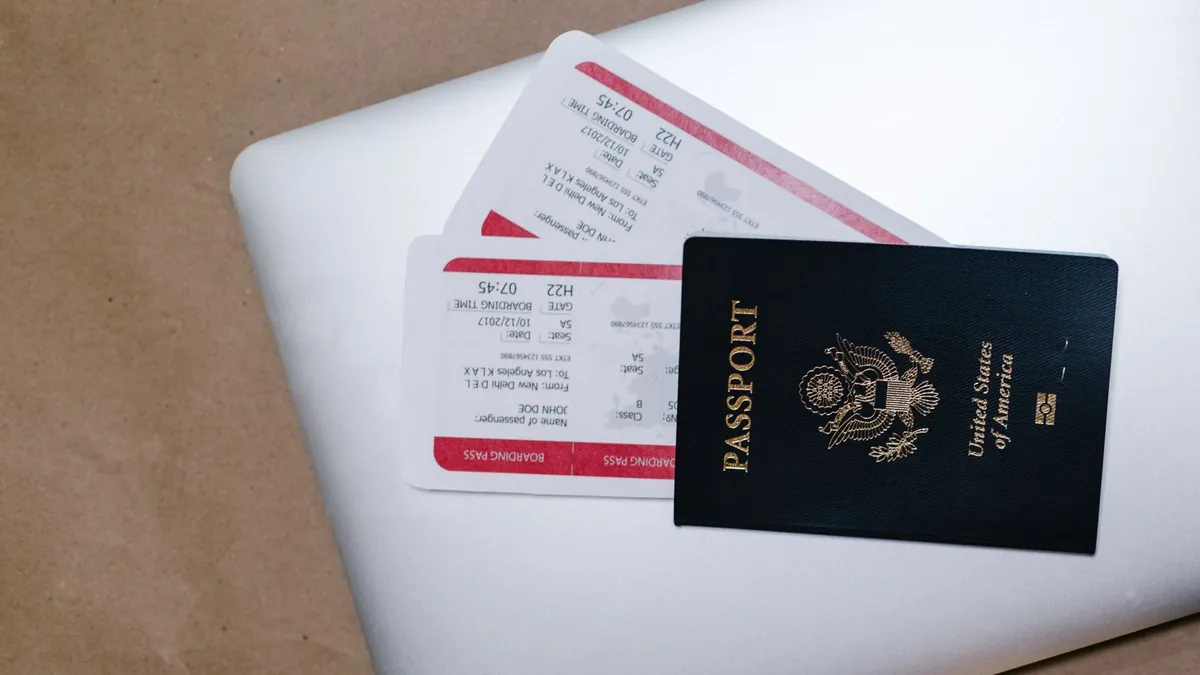
4. Printing Boarding Passes at Home Without Secure Disposal Leaves Physical Records Accessible to Identity Thieves
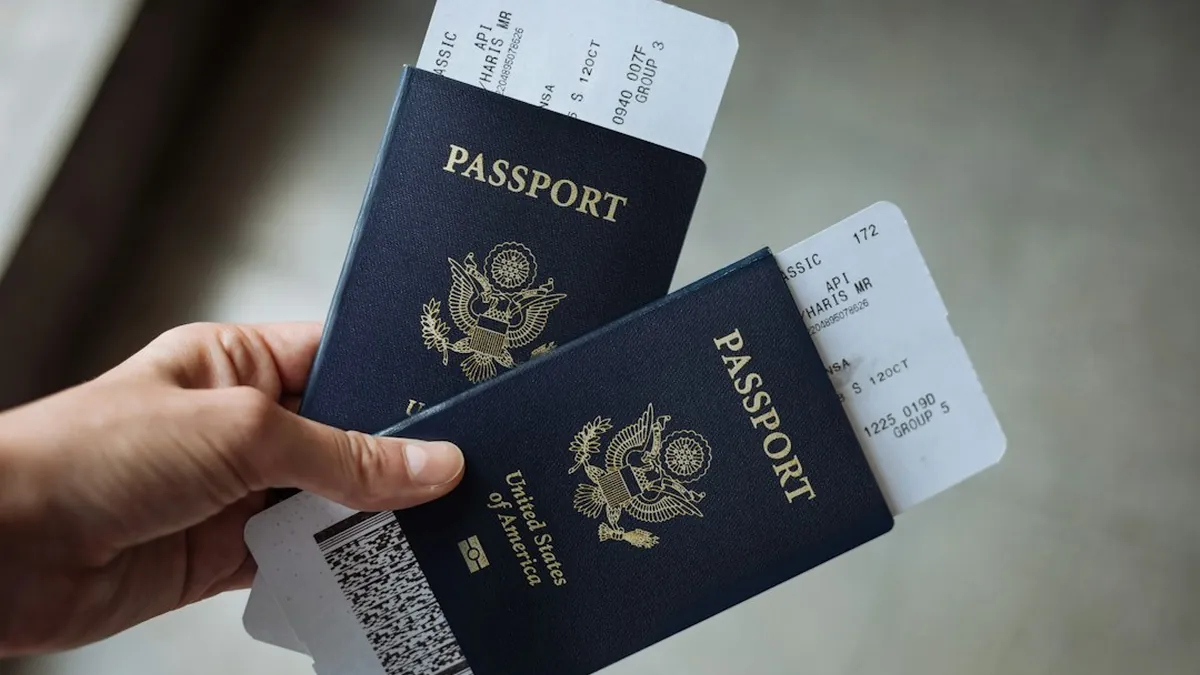
A discarded paper boarding pass in a recycling bin or hotel trash can is a complete identity package — full name, destination, booking reference, and a scannable barcode. According to IATA’s aviation security fact sheet, protecting passenger information extends beyond digital systems to all physical documentation.
- Key Takeaway: Shred every printed boarding pass immediately after your flight rather than tossing it in standard waste bins.
5. Failing to Remove Boarding Pass Screenshots From Your Phone After Travel Leaves Sensitive Data Permanently Stored
Screenshots saved in your camera roll are synced to cloud accounts, shared in backups, and exposed whenever your phone is accessed without authorization. Facial comparison technology and digital IDs partially automate the ID and boarding pass verification process for more efficient and secure screening, as outlined by the TSA’s biometrics technology program — but your stored screenshots remain your own security responsibility.
- Key Takeaway: Audit your photo library after every trip and permanently delete all boarding pass screenshots, including cloud-synced copies.