10 Things Expats Regret Most After Moving to Europe

As participants in Amazon Associates and other programs, we earn from qualifying purchases. This comes at no additional cost to you. For more details, see our Affiliate Disclosure.
Most expats regrets moving to Europe stem from gaps between expectation and reality — and they surface fast once the honeymoon phase fades.
1. Underestimating the True Cost of Living and Hidden Expenses
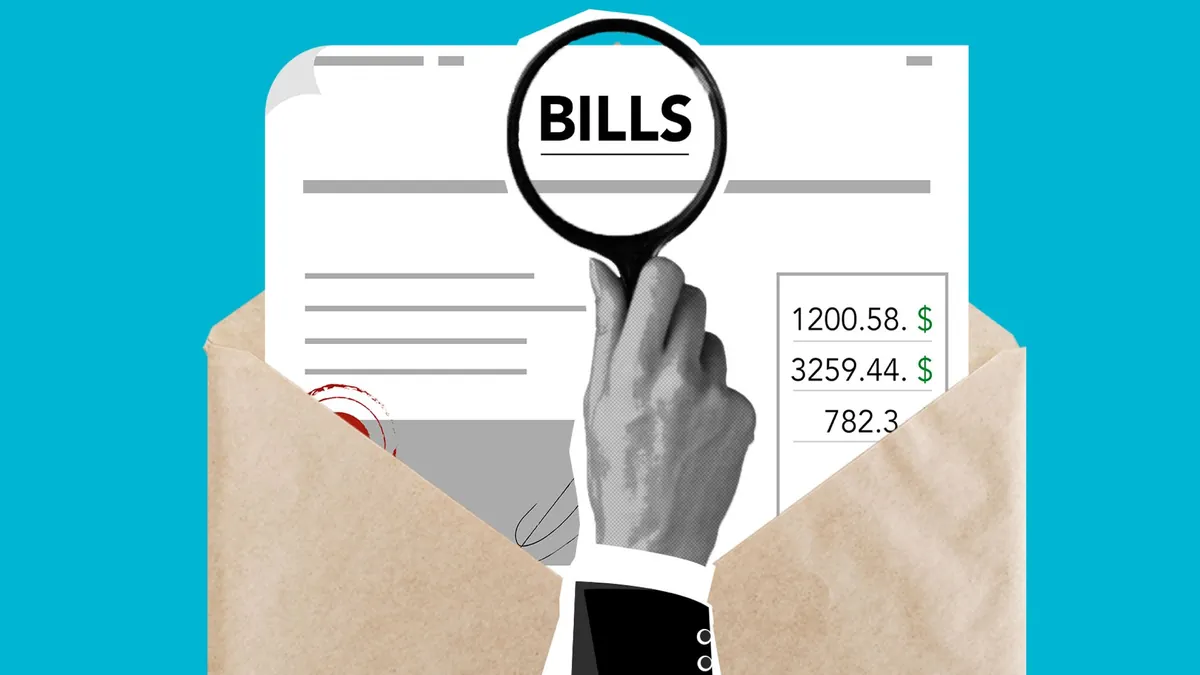
Rent, taxes, and daily costs blindside most newcomers within the first three months. Understanding per-night accommodation pricing before you relocate helps set a realistic budget baseline.
- Key Takeaway: Always calculate total monthly costs — including utilities, health insurance, and transport — before committing to a European city.
2. Choosing the Wrong City or Neighborhood Without Proper Research

A neighborhood that looks charming online can feel isolating or unsafe in person. Vetting rental quality matters — habitable units must legally provide waterproofing, working plumbing, heat, and safe living conditions to protect tenants.
- Key Takeaway: Visit your target city for at least two weeks across different seasons before signing any lease.
3. Struggling with Language Barriers and Social Integration
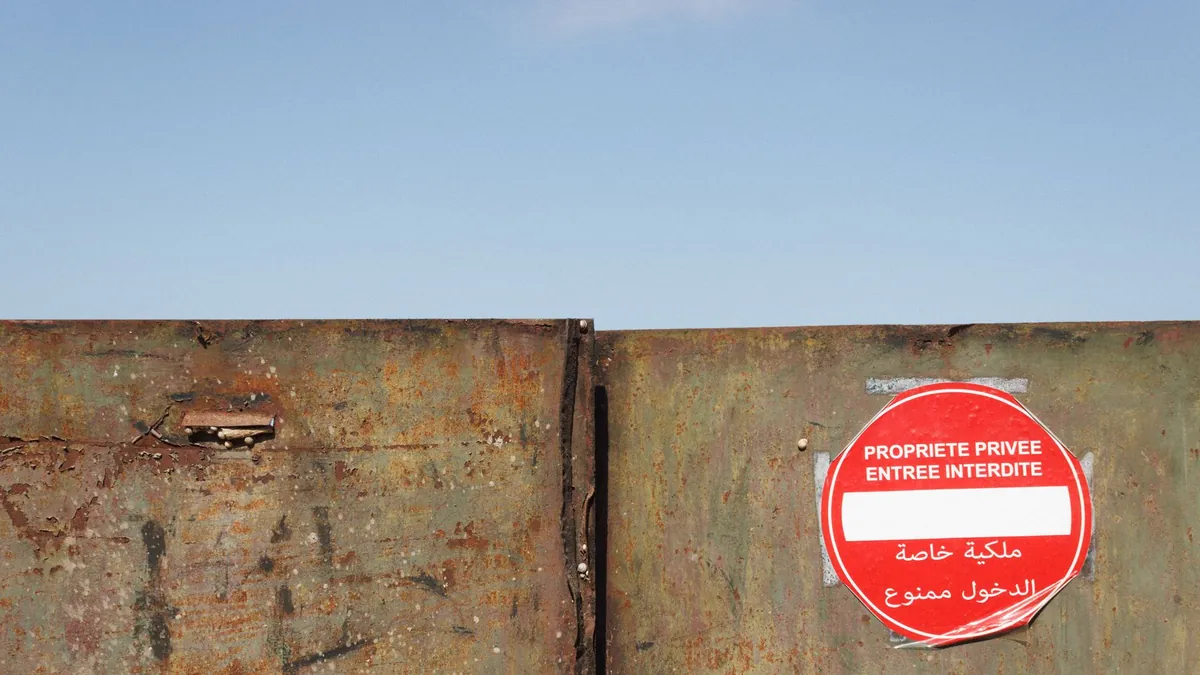
Even in English-friendly countries, daily bureaucracy and social bonding happen in the local language. Expats who skip language classes often find themselves excluded from authentic community life for years.
- Key Takeaway: Invest in structured language lessons before you move, not after frustration sets in.
4. Navigating Complex Bureaucratic Systems and Visa Requirements

European residency paperwork is notoriously slow and document-heavy. Knowing exactly what identification documents you need — including details like your passport’s bio-data page — prevents costly application delays.
- Key Takeaway: Hire a local immigration lawyer to handle your residency application — it saves months of frustration.
5. Experiencing Intense Homesickness and Emotional Isolation

The World Health Organization confirms that mental health issues are among the leading causes of ill health among international travelers, with psychiatric emergencies ranking as a top reason for emergency air evacuation. As explored in depth by expat depression research, isolation compounds quickly without a proactive social plan.
- Key Takeaway: Build a local social network within your first 30 days — don’t wait until loneliness becomes a crisis.
6. Facing Unexpected Healthcare and Insurance Complications

Those relying on prescription medications face the steepest barriers — health access research shows 28% of medication-dependent patients hit coverage gaps versus 16% of others. European public health systems don’t automatically cover expats from day one.
- Key Takeaway: Secure comprehensive international health insurance with mental health coverage before your departure date.
7. Discovering Unrealistic Expectations About Work-Life Balance

Europe’s reputation for relaxed work culture varies wildly by country and industry. Many expats arrive expecting long lunches and short weeks, only to find competitive urban job markets that mirror the pressure back home.
- Key Takeaway: Research your specific industry’s culture in your target country — not Europe’s reputation as a whole.
8. Dealing with Distance During Family Emergencies and Crises

A family medical emergency back home hits differently when you’re eight time zones away. Flight disruptions make the situation worse — understanding issues like date-change flight notifications helps you respond faster when every hour counts.
- Key Takeaway: Always maintain an emergency travel fund covering last-minute transatlantic flights home.
9. Confronting Climate and Weather Disappointments

Northern and Central Europe deliver grey, cold winters that last far longer than most expats anticipate. Seasonal affective disorder is a genuine health risk that catches sun-accustomed Americans and Australians completely off guard.
- Key Takeaway: Factor in annual sunshine hours when choosing your European destination — it directly impacts mental wellbeing.
10. Realizing the Gap Between Romanticized Dreams and Daily Reality
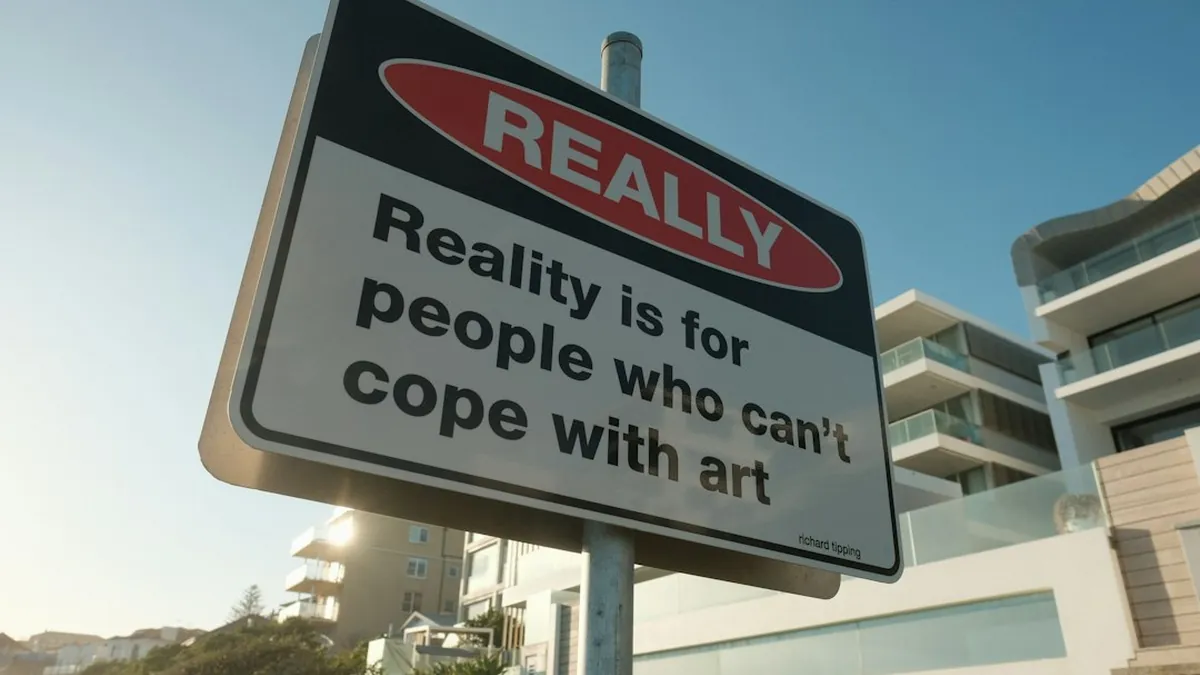
Instagram Europe and lived Europe are two entirely different places. Cobblestone streets are beautiful until you’re hauling groceries over them in the rain after a 10-hour workday.
- Key Takeaway: Do a 90-day trial stay before permanently relocating — it separates romantic fantasy from sustainable daily life.