Why You Should Always Ask for a Corner Hotel Room
As participants in Amazon Associates and other programs, we earn from qualifying purchases. This comes at no additional cost to you. For more details, see our Affiliate Disclosure.
Most travelers book a hotel room the same way they order fast food — quickly, cheaply, and without much thought about what they’re actually getting. The standard room on a middle floor, sandwiched between other guests, becomes the default choice simply because it’s the path of least resistance. What most people don’t realize is that a single, politely worded request at check-in can completely transform the quality of their stay.
The conventional wisdom is that all standard hotel rooms are essentially the same — same square footage, same amenities, same experience. That assumption quietly costs travelers one of the most underrated upgrades in hospitality, often available at no extra charge. The corner room hotel option sits at the intersection of better design, better light, and better sleep, and most guests never think to ask for it.
Corner Rooms Deliver Light, Views, and Space That Standard Rooms Simply Cannot
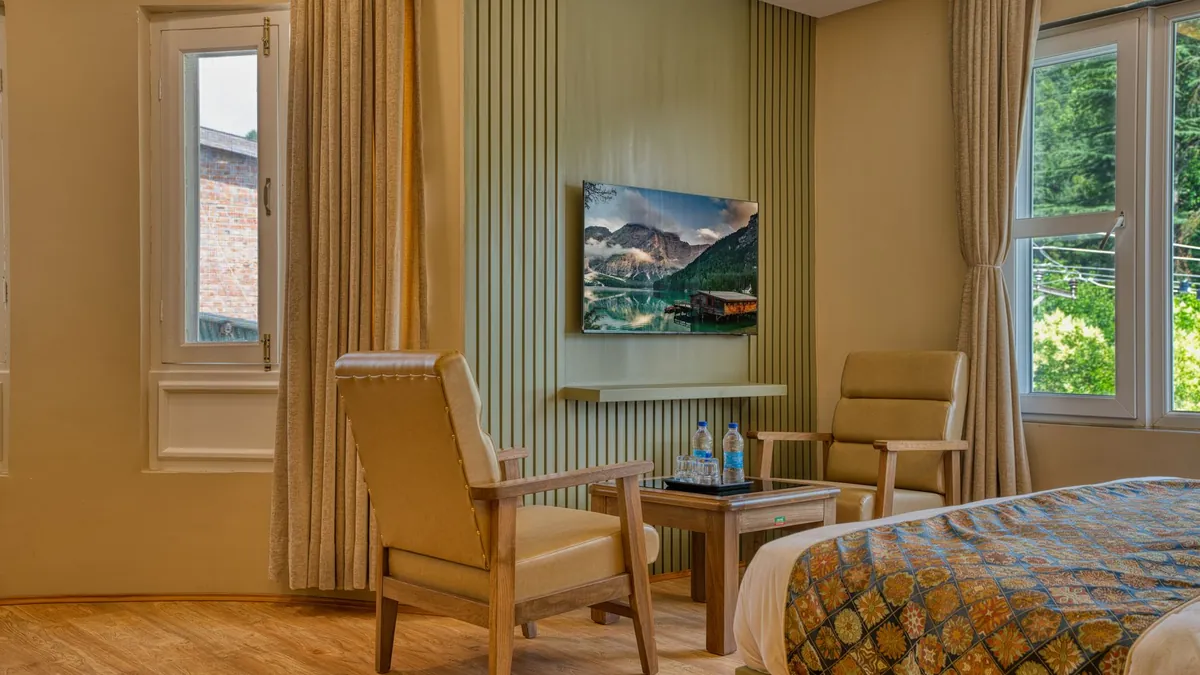
The architectural reality of a corner room hotel is that it occupies the outermost edge of a floor, meaning it benefits from windows on 2 exterior walls instead of 1. This dual-exposure design floods the room with natural light throughout the day and often provides panoramic sightlines that mid-corridor rooms are physically incapable of offering. According to design analysis on corner window construction, integrating those windows requires additional structural engineering — which is precisely why hotels reserve these rooms as premium placements.
Beyond the views, corner rooms are almost always larger than their standard counterparts, with irregular floor plans that create nooks, wider living areas, and more intuitive furniture arrangements. That extra square footage isn’t accidental — it’s a byproduct of fitting a rectangular room into a building’s angular footprint. For travelers comparing mid-tier hotel brand options, a corner room at a modest property can genuinely outperform a standard room at a pricier one.
Reduced Noise, Greater Privacy, and a Smarter Safety Position
Corner rooms share walls with fewer neighboring guests — typically only 1 adjacent room instead of 2 — which dramatically reduces the noise bleed that ruins light sleepers’ nights. They’re also positioned away from the high-traffic elevator banks and ice machine alcoves that make mid-corridor rooms feel like they’re inside a busy hallway. That combination of acoustic insulation and physical separation creates a genuinely quieter, more private environment.
There’s also a practical safety dimension worth considering: corner rooms typically have windows on multiple walls, which matters more than most guests think. Emergency egress guidelines emphasize that when conditions are dark, hot, and time-critical, having multiple window orientations and unobstructed openings can be a meaningful advantage. Pairing that awareness with knowing how to assess your room’s security makes for a genuinely smarter hotel stay overall.
The corner room hotel upgrade is one of those rare travel wins that costs nothing but a confident question at the front desk, yet delivers outsized returns in comfort, light, and peace of mind. It’s the kind of insider move that separates seasoned travelers from first-timers who accept whatever key card they’re handed. Drop your corner room experiences — or your best front-desk negotiation tactics — in the comments below.