Why Hotels Ask for Your License Plate
As participants in Amazon Associates and other programs, we earn from qualifying purchases. This comes at no additional cost to you. For more details, see our Affiliate Disclosure.
Checking into a hotel should feel seamless — hand over your card, grab your key, and head upstairs. But for millions of travelers every year, that smooth routine gets interrupted by an unexpected question from the front desk: “Can I get your license plate number?”
Most guests assume it’s a quirky formality or a leftover habit from an older era of hospitality. The reality, however, is that this single question sits at the intersection of security law, liability protection, and modern property management — and hotels that skip it are actually taking on serious risk.
Hotels Are Legally Required to Verify and Document Guest Information
Across the United States, hotels operate under state-specific innkeeper laws that mandate the collection of guest identification data at check-in. License plate numbers function as a secondary form of ID — one that is uniquely tied to a physical, traceable asset — making them especially valuable for legal record-keeping. According to hotel security best practices, staff are advised to fill out registration forms themselves by directly asking guests for multiple pieces of identification, vehicle details, and the number of occupants in a room.
This documentation creates an auditable paper trail that protects the property in the event of disputes, theft, or law enforcement inquiries. A license plate connects a guest to a specific vehicle on the premises, which becomes critical if a car is involved in an incident, a guest skips out on charges, or unauthorized individuals access the property. It’s a layer of accountability that most guests never think about — until something goes wrong.
License Plate Data Is a Frontline Tool Against Fraud and Property Theft
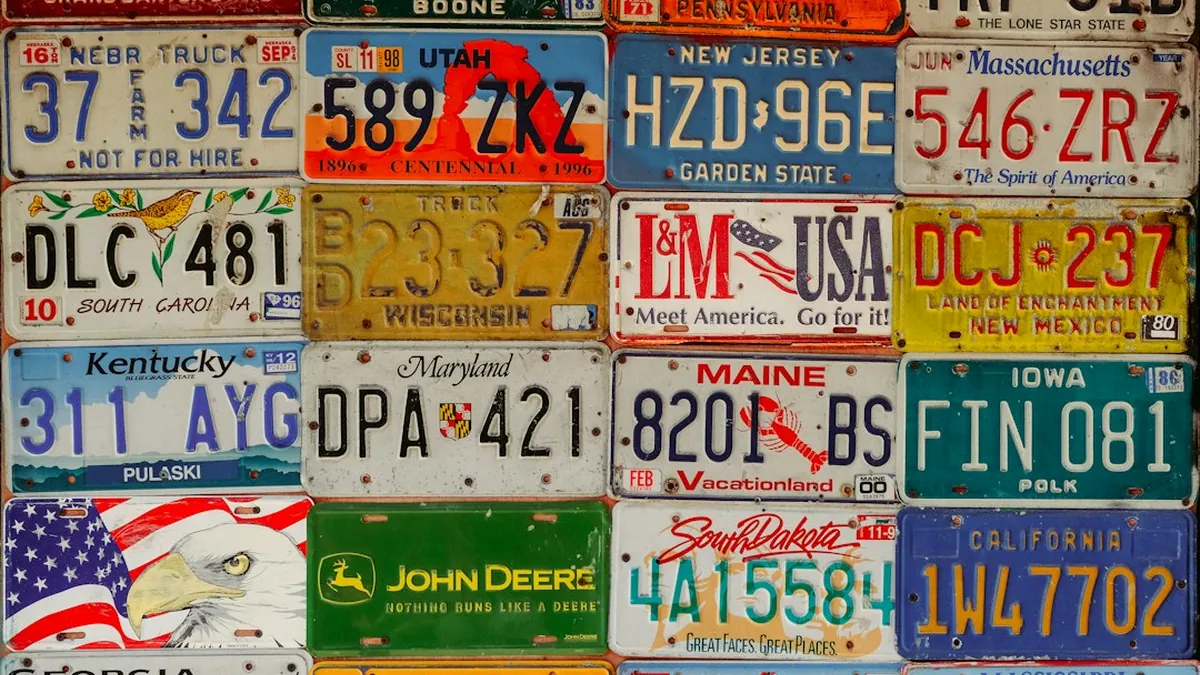
Hotels face a persistent threat from fraudulent bookings, unpaid bills, and theft — and your license plate is 1 of the most reliable deterrents available to them. As property management legal analysts note, capturing license plates is entirely lawful because parking areas are considered semi-public spaces where drivers cannot claim a reasonable expectation of complete privacy. This legal clarity gives hotels the green light to log, photograph, or even use automated readers without additional liability exposure.
For travelers, understanding this practice can actually work in your favor — especially when you’re already navigating the fine print of travel expenses. Just as savvy travelers know to scrutinize hotel booking red flags before arriving, knowing why your vehicle data is collected helps you engage with the check-in process confidently rather than suspiciously. Hotels that ask thorough questions upfront are, statistically, better managed and more secure environments for every guest on the property.
The next time a front desk agent asks for your plate number, it’s not an invasion — it’s a sign the property takes security seriously. That small exchange is part of a larger system designed to protect you just as much as it protects the hotel. Drop your own check-in experiences in the comments — have you ever been surprised by what a hotel asked for at the front desk?