Never Leave Your Boarding Pass Behind: Security Risks
As participants in Amazon Associates and other programs, we earn from qualifying purchases. This comes at no additional cost to you. For more details, see our Affiliate Disclosure.
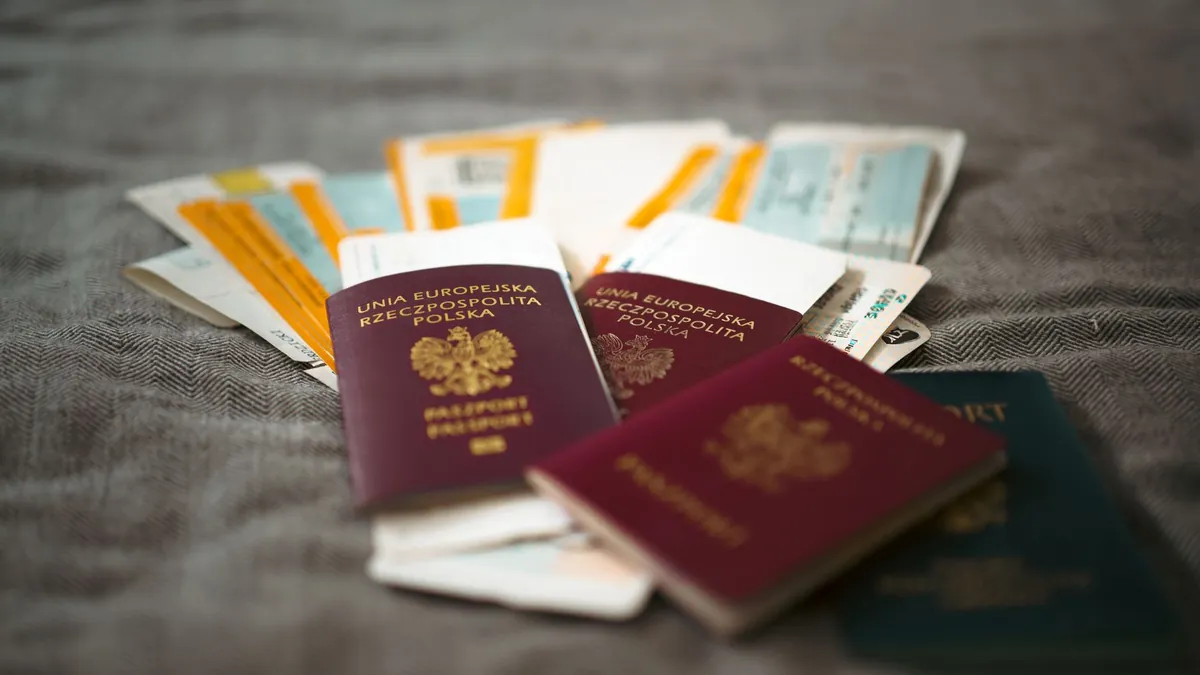
Most travelers treat their boarding pass as little more than a disposable ticket stub — something to be crumpled into a jacket pocket, photographed for an Instagram story, or abandoned on the seat-back tray at the end of a flight. It feels harmless, even trivial, because the journey is already over. That casual attitude, however, is precisely what makes the document so dangerous.
What passengers rarely realize is that a boarding pass — physical or digital — is essentially a compressed data file containing personal and travel intelligence. The boarding pass security risks embedded in that small slip of paper or mobile screenshot extend well beyond the gate, and understanding them is no longer optional for frequent flyers.
The Barcode on Your Boarding Pass Is a Readable Data Map
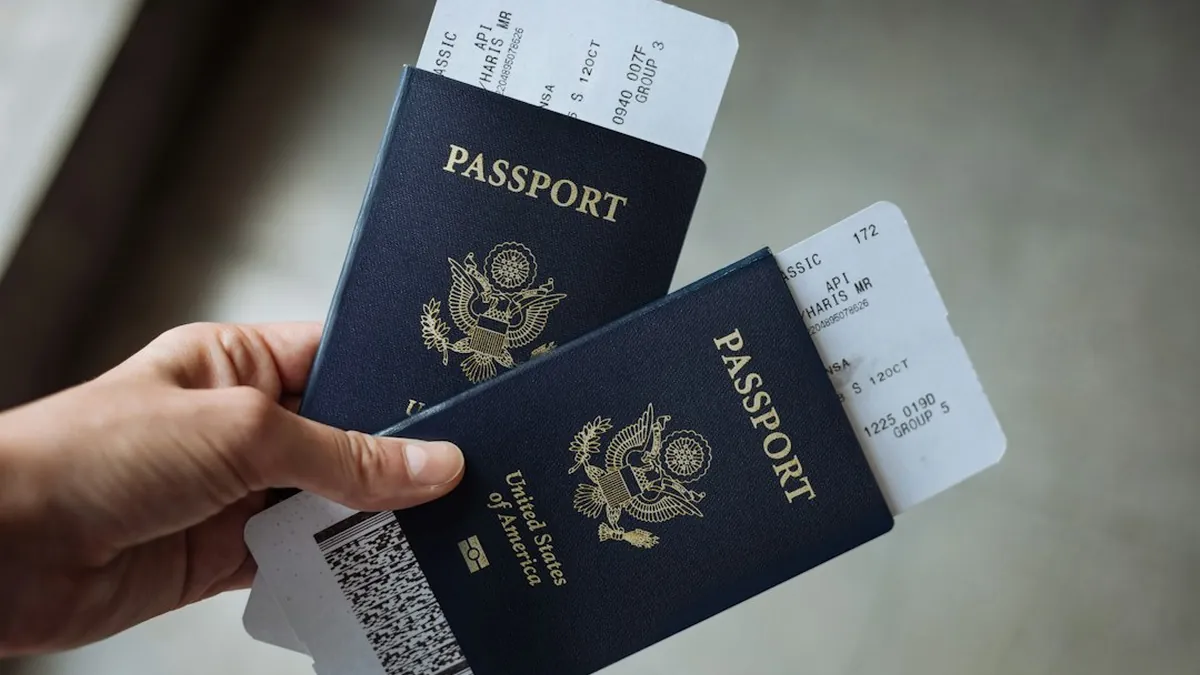
Every modern boarding pass carries a barcode or QR code that encodes your name, frequent flyer number, flight details, and booking reference in machine-readable format. According to Aerospace Village’s BCBP research, this standardized format was designed for operational efficiency — not passenger privacy. All 4 encoding modes used in QR codes, including numeric, alphanumeric, byte/binary, and kanji, are fully decodable through tools readily available online at zero cost.
That booking reference alone can unlock a traveler’s full itinerary through an airline’s “manage my booking” portal — sometimes without any additional authentication. A bad actor who photographs your pass in a lounge or retrieves it from a recycling bin gains a direct line into your travel profile, loyalty account, and potentially your linked payment method.
Digital Sharing and Physical Disposal Create Compounding Vulnerabilities
Posting a boarding pass screenshot on social media — even with partial details visible — is one of the most common and underestimated mistakes modern travelers make. Airlines and security researchers alike have flagged this behavior as a primary vector for identity exposure, since cropping an image rarely removes all encoded data from a QR code. With U.S. airport security pressures already straining checkpoint efficiency, the last vulnerability travelers need is a compromised booking reference adding chaos to their journey.
On the physical side, airlines are actively tightening boarding gate protocols to combat document fraud — a real financial concern. A Vueling post-incident review found that a double-scan procedure on a single flight prevented €320 in lost ticket revenue and €110 in unbilled baggage fees, illustrating exactly how much value is encoded in 1 small document. The IATA security knowledge hub reinforces that security management is fundamentally about understanding what could go wrong and how severe the consequences will be — a framework that applies directly to passenger document handling.
Protecting yourself requires 3 straightforward habits: shred or tear physical passes before disposal, avoid posting any image of your boarding pass online, and delete mobile screenshots immediately after your flight clears. These small actions close the most exploitable gaps in your personal travel security profile. Have you ever thought twice before tossing your boarding pass — or do you have a security habit that’s saved you from a close call? Share your experience in the comments.