7 Red Flags of Bed Bugs in Budget Hotels
As participants in Amazon Associates and other programs, we earn from qualifying purchases. This comes at no additional cost to you. For more details, see our Affiliate Disclosure.
Budget travel is one of the most liberating ways to see the world, but the savings on a cheap hotel room can come with a hidden, crawling cost that most guests never anticipate. Bed bugs have quietly become one of the most persistent and underreported problems in the hospitality industry, thriving in the very places travelers trust to rest and recharge. The problem is far more widespread than hotel marketing would ever suggest.
A study conducted by Orkin found that 8 out of 10 hotels were treated for bed bugs in the past year, a figure that should give every budget traveler serious pause before pulling back those sheets. Most guests assume a low price simply means fewer amenities, not a potential infestation waiting in the mattress seams. Knowing exactly what to look for before you unpack is the single most powerful defense you have.
1. Visible Dark Stains and Fecal Spots on Mattress Seams and Headboards

Small, dark brown or black ink-like dots clustered along mattress seams and headboard edges are among the most reliable early indicators of a bed bug problem. These fecal deposits are left behind after feeding and tend to bleed into fabric like a felt-tip marker stain. Spotting even a few of these marks warrants an immediate room change request.
- Key Reality: Fecal spots are often the very first visible sign of an active infestation, appearing before guests ever notice a bite.
2. Live Insects or Shed Exoskeletons Found in Bed Crevices and Furniture Joints
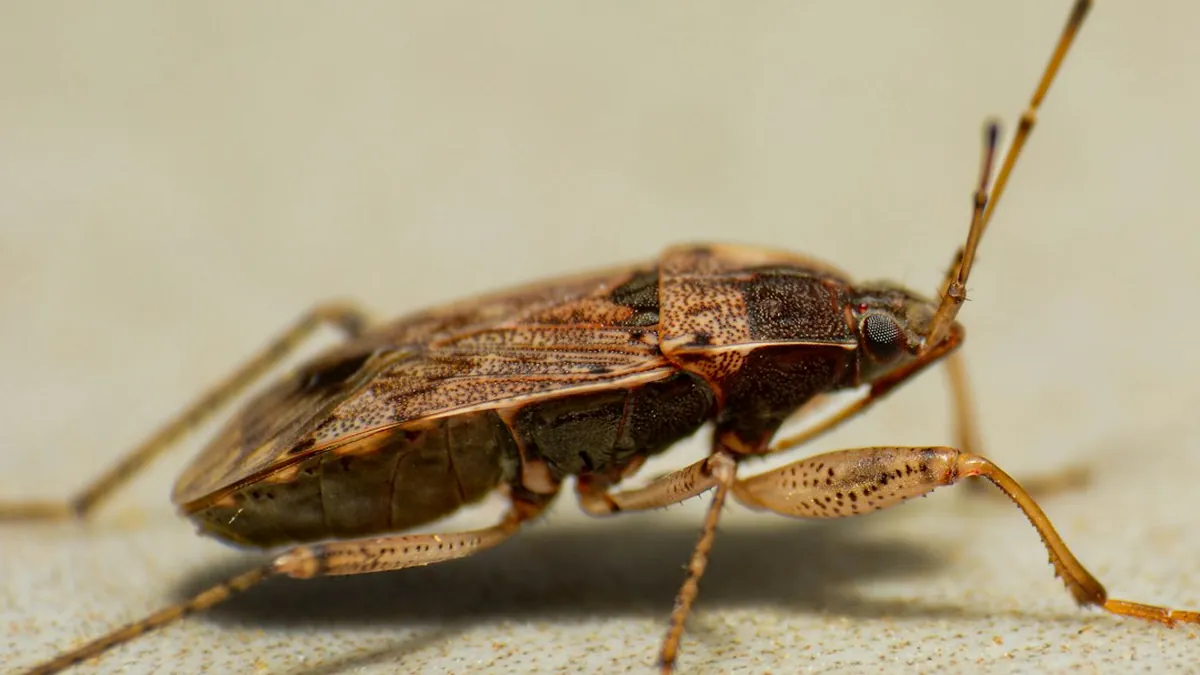
Adult bed bugs are roughly the size of an apple seed, flat, and reddish-brown — visible to the naked eye if you know where to look. Shed exoskeletons, or molted skins, are equally telling and often accumulate in the joints of bed frames, nightstands, and upholstered headboards. Finding either confirms an active or recent infestation with near certainty.
- Key Reality: A single female bed bug can lay up to 500 eggs in her lifetime, making early detection critically important.
3. Musty, Sweet Odor Emanating from Bedding and Upholstered Surfaces

A heavy, sweet, and slightly musty smell — often compared to overripe raspberries or coriander — is a chemical signal produced by bed bugs through their scent glands. This odor becomes noticeably stronger in rooms with larger infestations and is frequently mistaken for stale laundry or old upholstery. If a room smells inexplicably off despite appearing clean, trust your nose before you trust your eyes.
- Key Reality: Pest control professionals are trained to identify this distinctive scent as a primary infestation indicator during inspections.
4. Unexplained Bite Marks and Welts Appearing on Your Skin During or After Your Stay

Waking up with itchy, red welts arranged in a linear or clustered pattern on exposed skin is one of the most distressing signs of bed bugs in budget hotels. According to Medscape, histologic findings from bite-site biopsies typically show eosinophilic infiltrates, confirming the allergic nature of the reaction, which can range from mild irritation to significant papular urticaria. Treatment is generally supportive, but reactions vary widely between individuals.
- Key Reality: Up to 30% of people show no visible reaction to bed bug bites at all, meaning the absence of welts does not guarantee a clean room.
5. Rust-Colored Blood Spots on Sheets Indicating Recent Feeding Activity
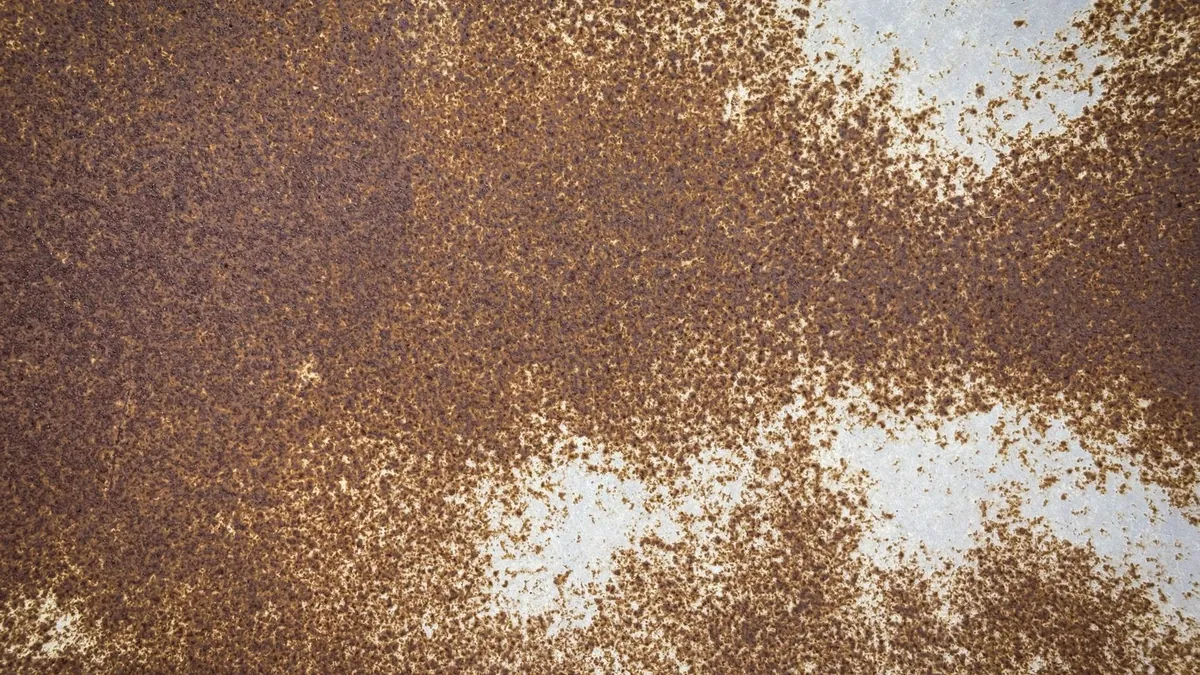
Small rust or reddish-brown smears on bed sheets are caused by bed bugs being crushed during sleep after a blood meal, or by the bite site continuing to bleed slightly after feeding. These stains are distinctly different from general soiling and typically appear near the center of the sleeping area. According to the CDC, these blood spots are a textbook sign of recent bed bug feeding activity.
- Key Reality: Always inspect sheets under bright light before lying down — overhead room lighting in budget hotels is often deliberately dim.
6. Mattress and Box Spring Showing Signs of Deterioration or Unusual Discoloration Patterns
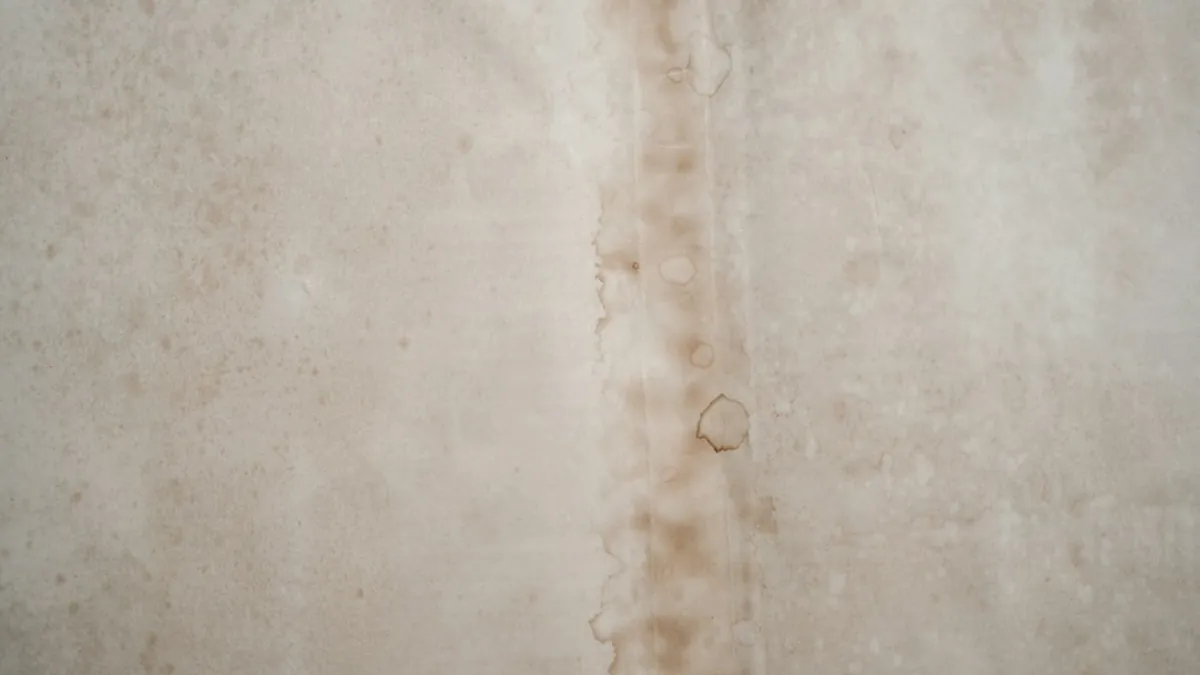
Beyond fecal staining, heavily infested mattresses often develop unusual, uneven discoloration patterns that don’t match typical wear and tear, particularly along piping and tufted areas. A deteriorating box spring with torn fabric or exposed inner materials creates ideal harborage points that budget hotels may not replace for years. Savvy travelers who follow smart hotel habits always inspect the box spring, not just the mattress surface.
- Key Reality: Box springs are the single most common hiding spot for bed bugs in hotel rooms, yet they are the least frequently inspected by guests.
7. Hotel Room Furniture Positioned Unusually Close to Beds or Walls Suggesting Previous Pest Control Attempts

When nightstands, luggage racks, or chairs are pushed unusually close to the bed or walls, it can indicate that furniture was moved during a previous pest control treatment and never properly repositioned. If you do discover signs of bed bugs, the MSU Extension strongly advises placing all of your belongings into sealed plastic bags immediately to prevent transporting them home. Understanding your legal rights as a hotel guest in this situation is equally essential before you check out.
- Key Reality: Guests who document evidence with photos and report infestations in writing have significantly stronger grounds for compensation or legal recourse.
Bed bugs in budget hotels are a genuine risk that no amount of positive reviews can fully eliminate, and the guests who stay safe are simply the ones who inspect before they rest. Pairing sharp visual awareness with smart hotel room awareness is the most practical armor any traveler can carry. Have you ever encountered bed bugs while traveling, and how did you handle it — share your experience in the comments below.