8 Airline Fee Changes in 2026 Passengers Are Protesting
As participants in Amazon Associates and other programs, we earn from qualifying purchases. This comes at no additional cost to you. For more details, see our Affiliate Disclosure.
Flying in 2026 has become a masterclass in reading the fine print, and millions of passengers are discovering that the base ticket price is merely the opening bid. Airlines across North America have quietly restructured their ancillary revenue models, layering fees onto experiences that travelers once considered standard parts of the journey.
What makes this wave of airline fee changes in 2026 particularly contentious is that it arrives just as federal regulators are sharpening their oversight tools and consumer advocacy groups are mobilizing at scale. The assumption that deregulation only ever benefits travelers has never looked shakier, and the 8 changes below are the ones generating the loudest protest.
1. Carry-On Baggage Fees Expanding Across Basic Economy Fares

Major U.S. carriers have extended carry-on baggage restrictions deeper into their basic economy cabins, effectively monetizing overhead bin space that passengers previously assumed was included. The shift mirrors a broader unbundled ancillary fee strategy that, as noted by industry analysts, sharply contrasts with the integrated fare structures favored by Asian carriers.
- Key Reality: Carry-on fees on basic economy tickets now range from 25 to 50 dollars per flight segment on several major domestic routes.
2. Checked Baggage Surcharges Rising by $10 to $15 Per Bag

Checked baggage fees have climbed again in 2026, with multiple carriers adding 10 to 15 dollars per bag to their existing surcharge structures. According to The Points Guy, American Airlines has already moved aggressively on this front, setting a precedent that competitors have been quick to follow.
- Key Reality: A round-trip traveler checking 2 bags could now pay up to 120 dollars more per trip compared to previous fee schedules.
3. Seat Selection Fees Introducing Premium Tier Pricing Structures
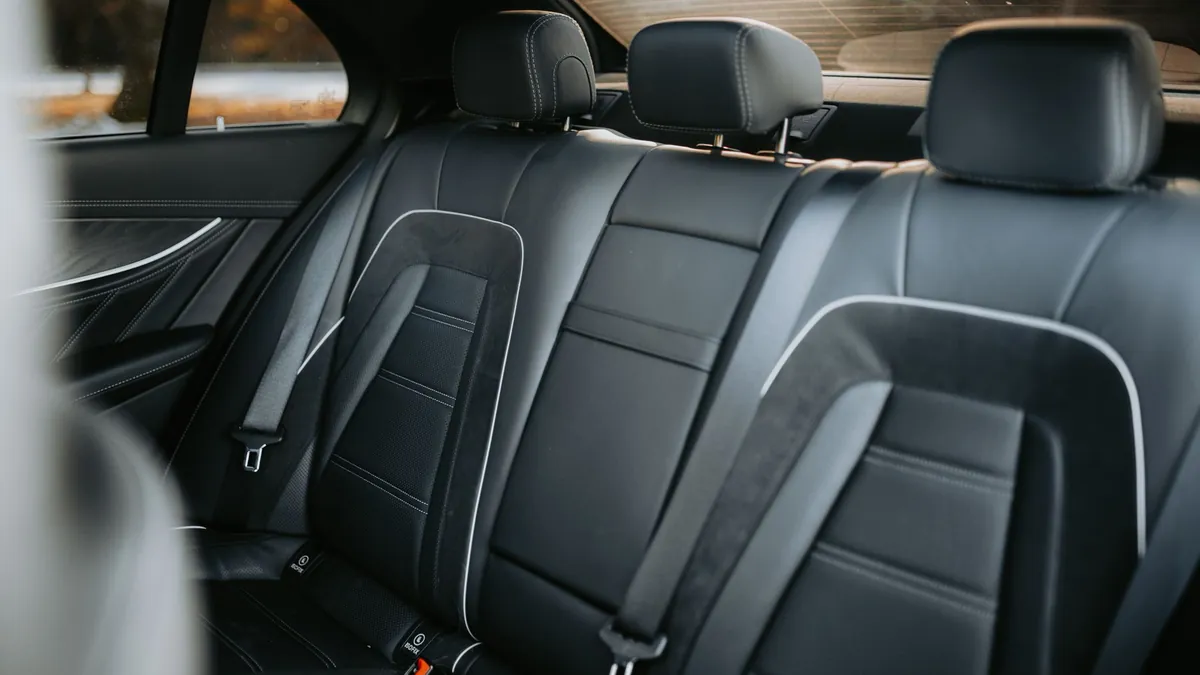
Airlines have introduced multi-tier seat selection pricing, creating categories between standard economy and premium economy that didn’t previously exist. Passengers are now paying 15 to 45 dollars simply to avoid a middle seat, a practice that is fueling frustration among frequent flyers already navigating record airport security delays.
- Key Reality: Window and aisle seats in standard economy now carry premium pricing on over 70% of major U.S. domestic routes.
4. Flight Change Fees Making a Comeback After Years of Waivers

The pandemic-era goodwill of free flight changes has officially expired, with carriers reintroducing change fees of 75 to 200 dollars on non-refundable economy tickets. This reversal has blindsided travelers who normalized flexible booking as a permanent industry standard rather than a temporary concession.
- Key Reality: Change fees on basic economy fares have returned at several major carriers, with same-day change fees averaging 99 dollars.
5. Family Seating Fees Triggering Department of Transportation Scrutiny

Charging families extra to seat young children next to accompanying adults has drawn direct regulatory fire in 2026. Under a proposed DOT rule, each instance where a young child is not provided an adjacent seat to an accompanying adult would constitute a separate violation, potentially subjecting airlines to civil penalties.
- Key Reality: Airlines face individual civil penalties for each child denied an adjacent seat, making systemic non-compliance financially untenable.
6. Priority Boarding Zone Access Commanding Higher Premium Charges
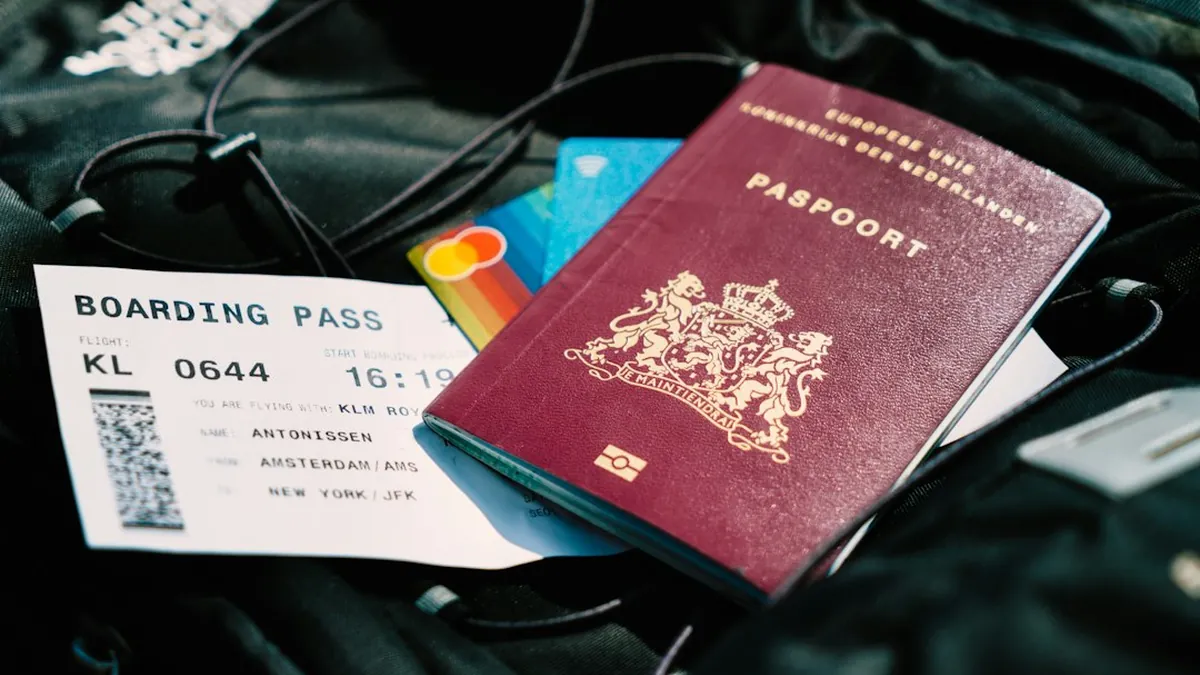
Priority boarding, once a modest perk tied to elite status or co-branded credit cards, has been restructured into a purchasable tiered product costing 15 to 60 dollars per segment. The commodification of boarding order has effectively created a pay-to-avoid-chaos dynamic that passengers find both absurd and unavoidable.
- Key Reality: Some carriers now offer up to 4 distinct purchasable boarding tiers, each priced incrementally above the last.
7. Dynamic Pricing Models Applying Real-Time Baggage Fee Calculations
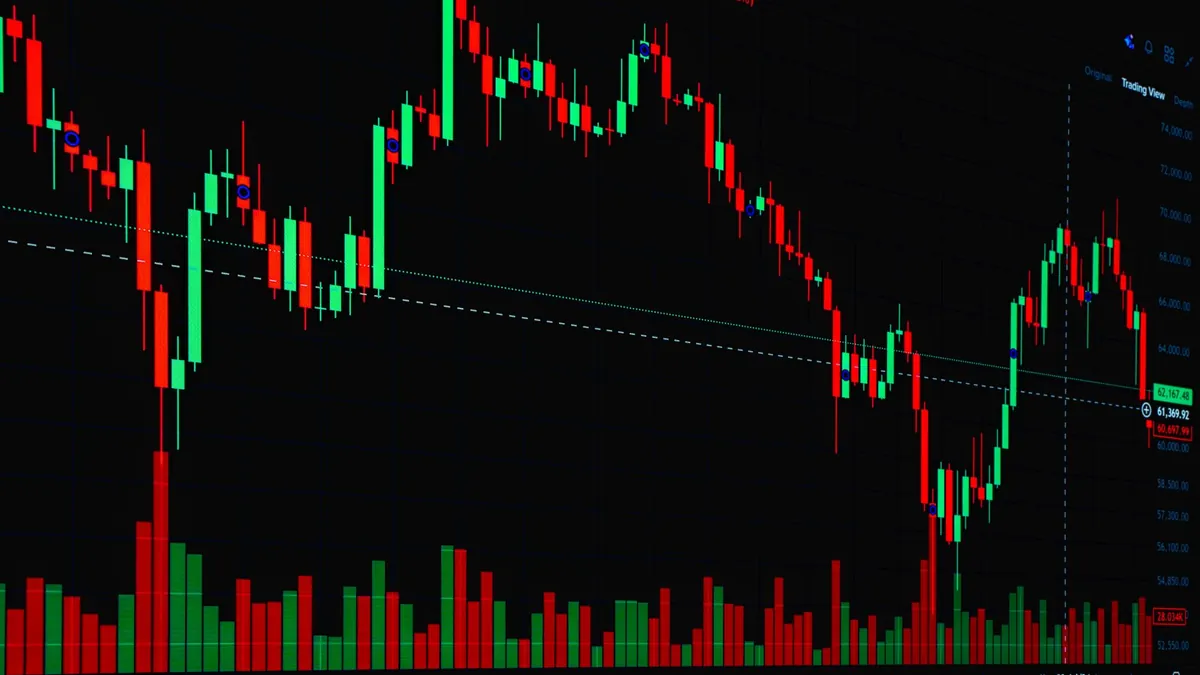
Several airlines have begun testing dynamic baggage fee pricing, where the cost to check a bag fluctuates based on route demand, time of booking, and load factor — much like seat pricing already operates. This unpredictability has become a significant pain point, particularly for budget-conscious travelers comparing total trip costs across booking platforms like those covered in global payment partnership developments.
- Key Reality: Dynamic baggage fees can vary by as much as 40% on the same route depending on booking timing and demand signals.
8. Basic Economy Fare Restrictions Limiting Overhead Bin Access and Boarding Priority
Basic economy passengers in 2026 are increasingly being denied overhead bin access entirely, forced to gate-check bags at no charge but with significant inconvenience — a policy designed to incentivize fare upgrades. In contrast to Asian aviation’s integrated fare philosophy, North American carriers have leaned fully into unbundling as a core revenue strategy, widening the global experience gap for economy travelers.
- Key Reality: Basic economy passengers on several U.S. carriers now board last and are explicitly barred from using overhead bins under updated fare rules.
The airline fee changes of 2026 represent a structural recalibration of what “affordable air travel” actually means, and passengers are right to push back loudly against a system that profits from confusion. Regulatory pressure, particularly around family seating and refund transparency, may be the only counterweight strong enough to slow the unbundling tide. If you’ve been hit by any of these fees this year, drop your experience in the comments — your story matters to this conversation.