8 Common Packing Mistakes That Cost You Extra Baggage Fees
As participants in Amazon Associates and other programs, we earn from qualifying purchases. This comes at no additional cost to you. For more details, see our Affiliate Disclosure.
Packing mistakes baggage fees go hand in hand — one bad decision at home turns into a surprise charge at the airport counter.
1. Packing Without a Strategic Plan Before Your Trip
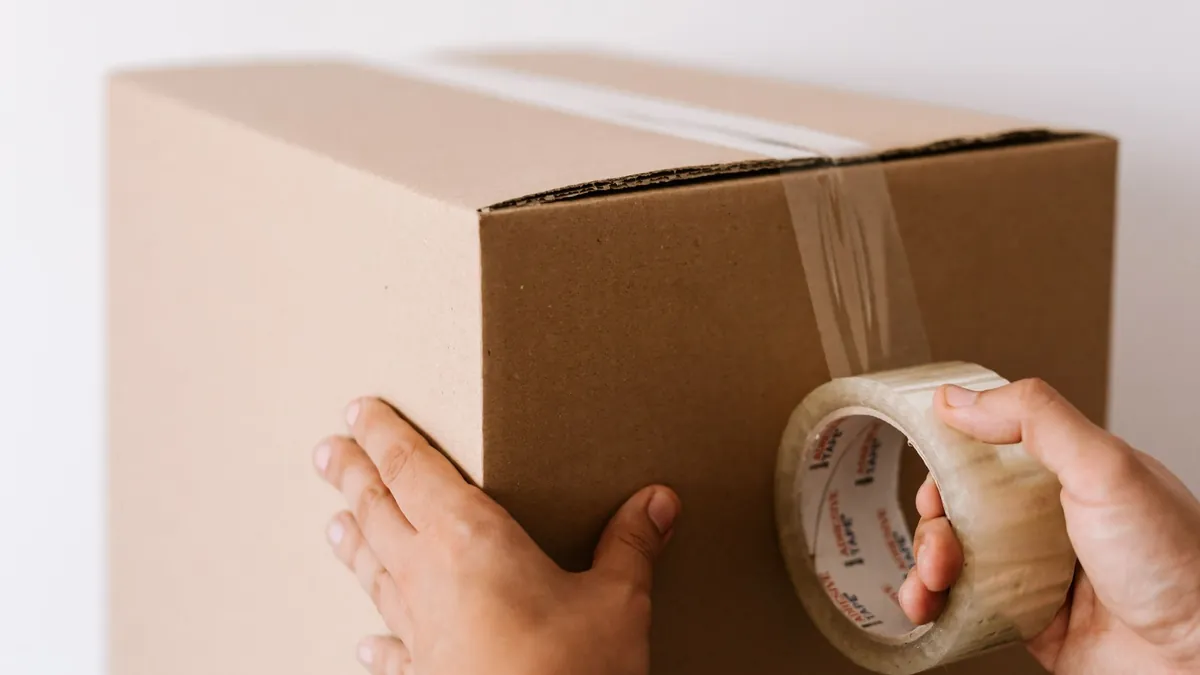
Rushing to pack without a checklist leads to overstuffed bags and forgotten essentials you’ll replace at full price abroad. A solid packing plan eliminates guesswork and keeps your luggage within airline limits from the start.
- Key Takeaway: Create a packing list 48 hours before departure to avoid last-minute overloading.
2. Ignoring Airline-Specific Weight Limits and Baggage Policies
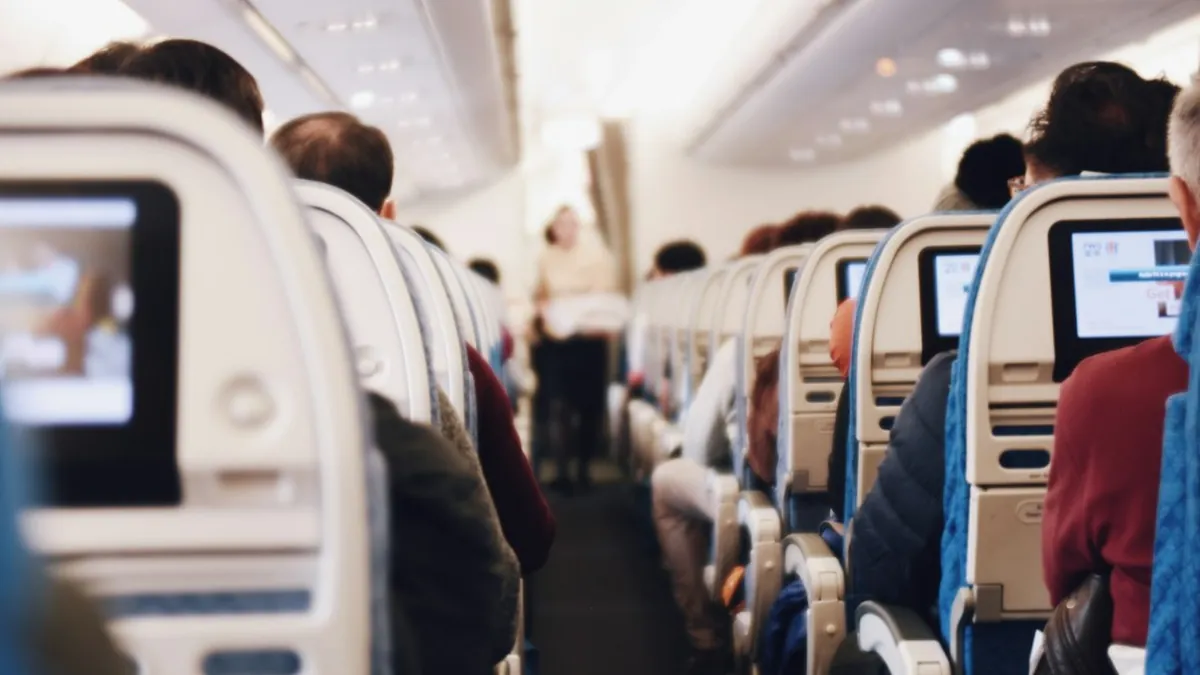
Your destination and origin point play a role in determining baggage allowance and fees, as does your frequent flier status and cabin class. The luggage weight limit for international flights also differs from domestic US limits, which creates costly surprises when connecting flights are involved.
- Key Takeaway: Always confirm policies directly with your airline before travel, as regulations change frequently.
3. Placing Heavy Items in Checked Luggage Instead of Carry-On
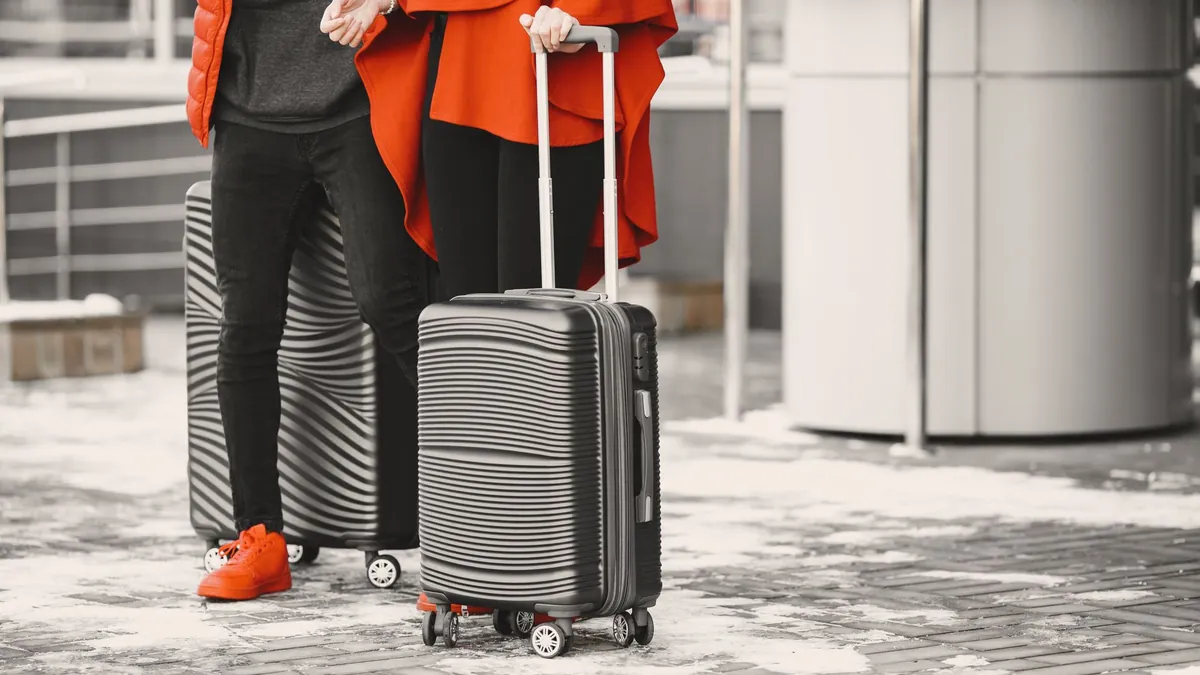
Dense items like shoes, books, and electronics add serious weight to checked bags, pushing you over the limit fast. Redistributing weight into your carry-on can save you from overweight baggage fees at check-in.
- Key Takeaway: Heavy items belong in carry-on bags where weight rules are often more forgiving.
4. Choosing the Wrong Luggage Type for Your Travel Needs
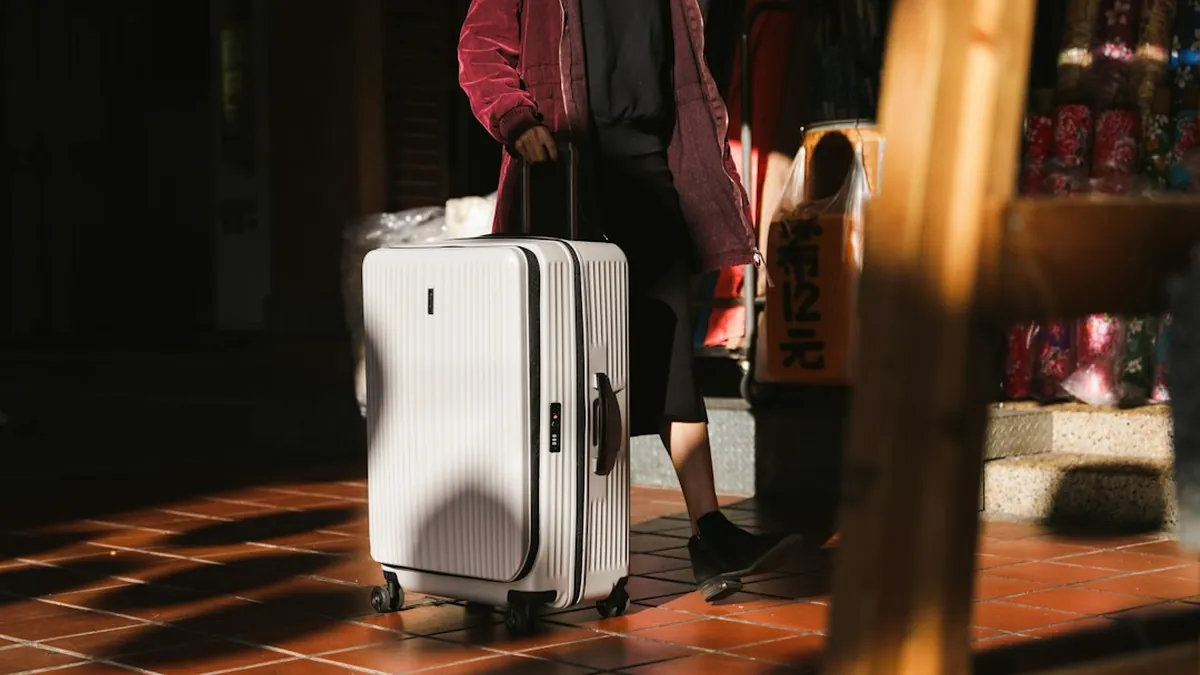
A heavy hardshell suitcase eats into your weight allowance before you pack a single item. According to luggage durability testing standards, verified dimensions and impact test results support durability claims, so choose lightweight bags that pass airline size requirements without sacrificing strength.
- Key Takeaway: Lightweight luggage under 7 lbs maximizes your usable weight allowance significantly.
5. Overpacking Beyond Weight Restrictions and Dimension Requirements

Stuffing your bag beyond its frame causes it to fail size checks at the gate, triggering mandatory checked-bag fees. Understanding carry-on bag dimensions before you pack prevents costly gate rejections on every flight.
- Key Takeaway: Most airlines enforce a 22 x 14 x 9 inch carry-on maximum — measure before you leave home.
6. Failing to Organize Your Luggage Efficiently and Effectively
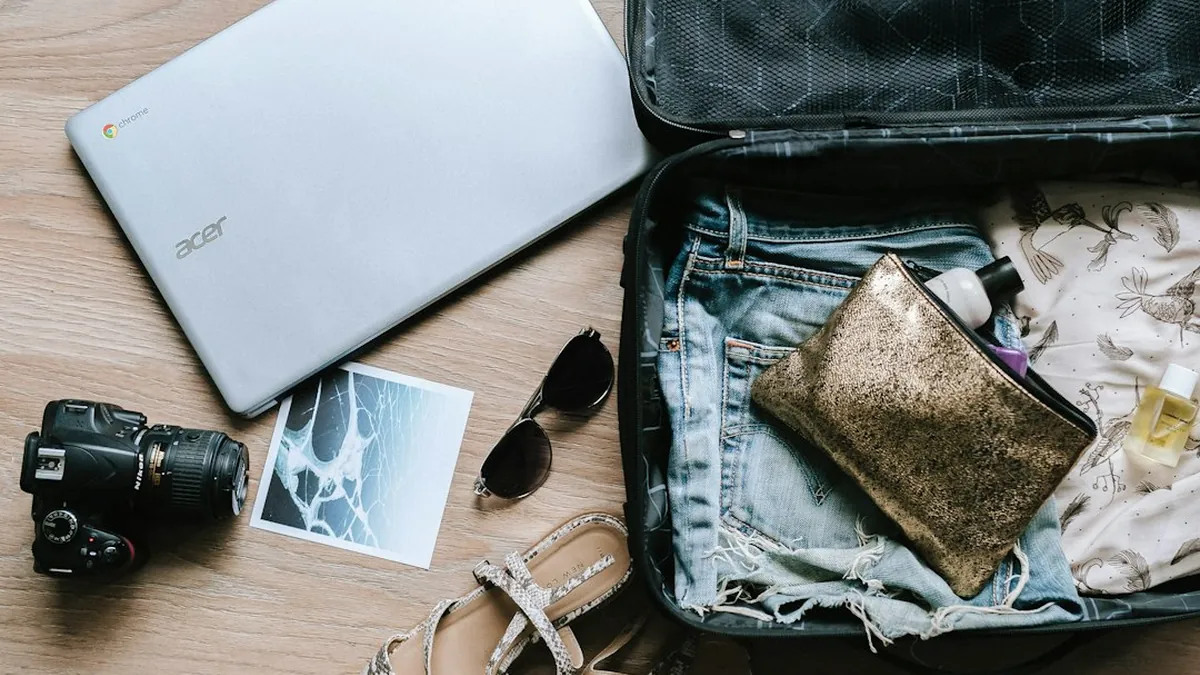
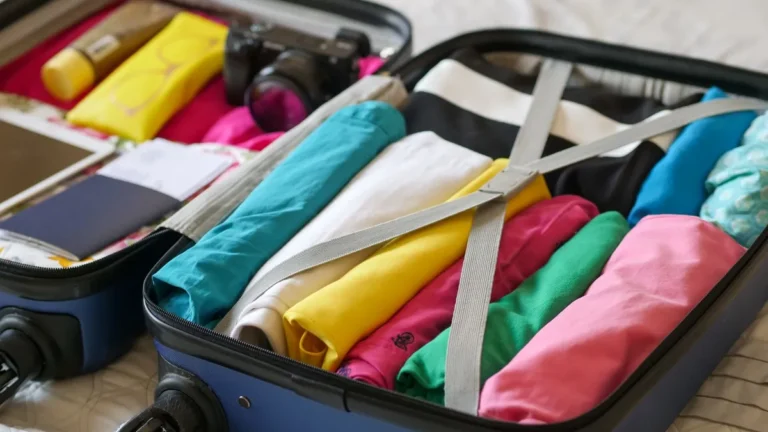
Poor organization forces travelers to repack at the counter, wasting time and revealing overweight bags to agents. Packing cubes and compression bags reduce bulk and keep weight evenly distributed throughout your luggage.
- Key Takeaway: Compression packing can reduce clothing volume by up to 30%, freeing critical weight allowance.
7. Packing Prohibited Items That Trigger TSA Violations and Confiscation
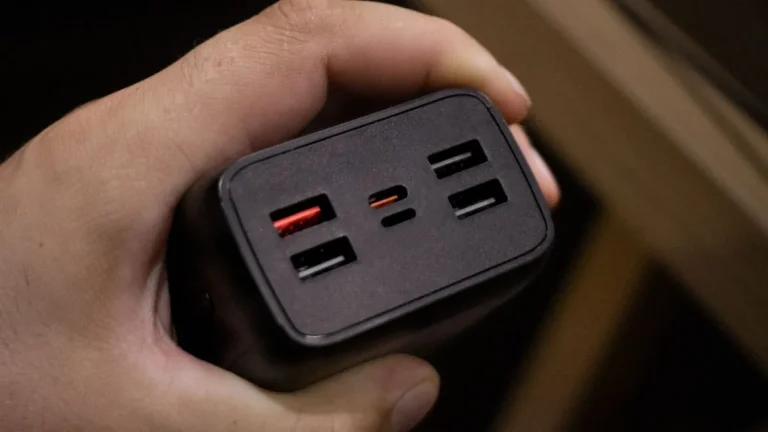
From lithium batteries to aerosols, dangerous goods transported by air can cause items to leak, generate toxic fumes, start a fire, or even explode due to vibrations and pressure changes. The FAA’s Pack Safe resource lists every prohibited item to check before you zip up your bag.
- Key Takeaway: Confiscated items are never reimbursed — always verify restricted goods before packing.
8. Neglecting to Account for Rising Baggage Fees Across Different Carriers
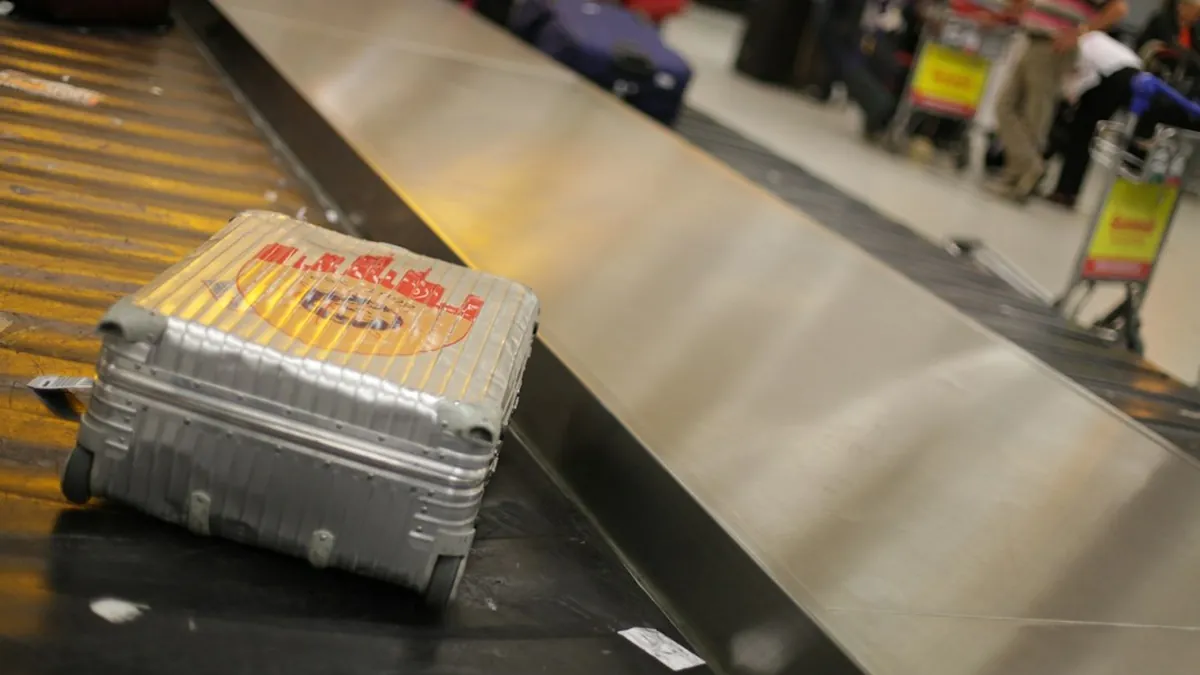
Baggage fees have climbed sharply across major carriers, with some airlines now charging over $80 for a single checked bag. If you encounter unexpected charges or policy disputes, this airline ticket issues guide walks you through resolving them step by step.
- Key Takeaway: Compare total baggage costs across carriers before booking — fees often exceed the base ticket price.