Pay Local Currency at European Restaurants: Save Money
As participants in Amazon Associates and other programs, we earn from qualifying purchases. This comes at no additional cost to you. For more details, see our Affiliate Disclosure.
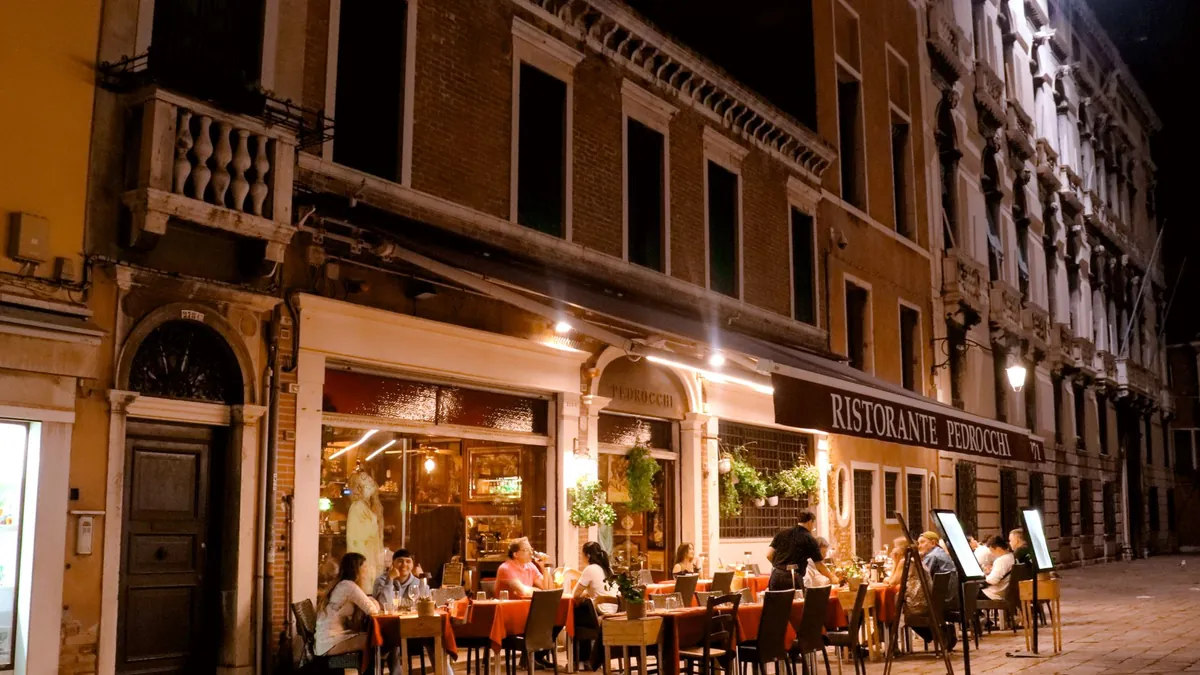
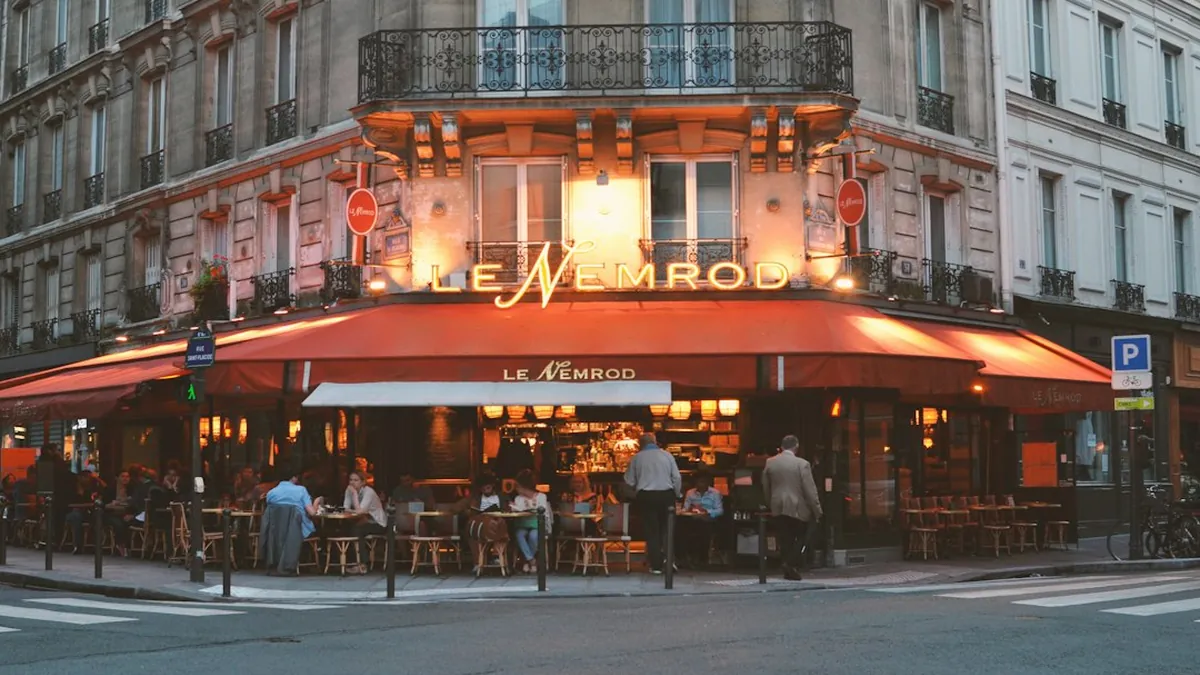
Dining across Europe is one of travel’s great pleasures — candlelit bistros in Paris, seafront tavernas in Greece, rustic konobas along the Croatian coast. Most travelers assume that paying with a card makes the whole experience seamless, modern, and financially straightforward. That assumption, unfortunately, is where the money starts quietly disappearing.
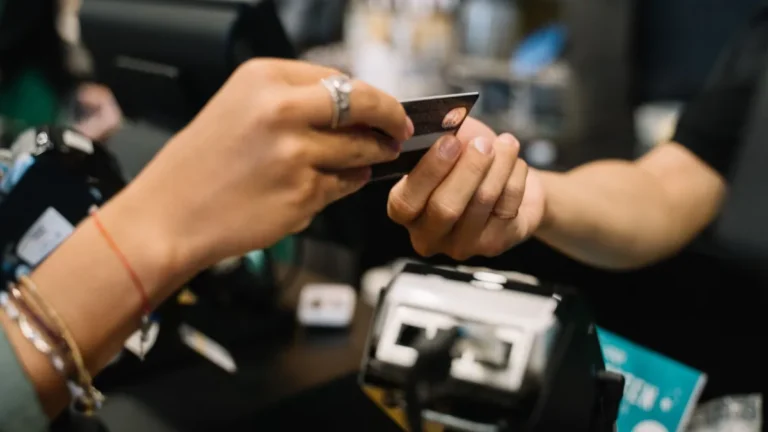
The hidden friction isn’t the food, the service, or even the exchange rate itself — it’s the moment a payment terminal asks which currency you’d like to pay in. That single prompt, easy to dismiss as a helpful convenience feature, is one of the most costly micro-decisions a traveler makes at the dinner table. Understanding what’s actually happening in that moment changes everything about how you handle restaurant bills abroad.
Local Currency Payments Shield Your Restaurant Budget From Invisible Markups
When you choose to pay in local currency at Europe restaurants, your card network — Visa, Mastercard, or Amex — applies its own wholesale exchange rate, which is typically far more competitive than anything a merchant terminal can offer. The alternative, known as Dynamic Currency Conversion (DCC), lets the restaurant’s payment processor set the rate instead, and that processor profits from the spread. According to Naise Shopper’s payment analysis, DCC markups routinely run between 3% and 12% above the interbank rate — a meaningful hit on a 60-euro dinner bill.
There’s an important cultural layer here, too. Countries like France, Greece, and Croatia operate under service-inclusive pricing models, meaning gratuity is already embedded in the menu price and customers are not obligated to tip. That structure already saves you money — but only if you’re not surrendering those savings at the payment terminal through a poor currency choice.
Fake Currency Prompts Are a Growing Scam at European Dining Establishments
Paying in local currency doesn’t introduce new fraud risk by itself, but the checkout patterns surrounding it create openings that scammers actively exploit. A cloned payment page or a manipulated terminal screen can mimic a legitimate currency selector, tricking diners into approving inflated transactions — a threat detailed extensively in our coverage of European travel payment scams. Always verify the terminal amount in local currency before tapping or inserting your card, and never let a server take your card out of sight.
Research published via Taylor & Francis tourism studies confirms that travelers consistently underestimate how checkout-stage manipulation affects their total trip expenditure. The strategic fix is straightforward: always decline DCC when prompted, confirm the local currency figure on screen, and use a travel card — like those covered in our breakdown of Mastercard travel benefits — that charges zero foreign transaction fees.
Choosing local currency at every European restaurant transaction is one of the simplest, highest-return financial habits a traveler can build — costing nothing to implement and saving real euros across a multi-week trip. The combination of service-inclusive pricing and smart payment decisions means your dining budget stretches significantly further than most visitors realize. Have you ever been caught off guard by a DCC prompt at a European restaurant — and how did you handle it? Share your experience in the comments below.