Check Tire Tread Depth on Rental Cars
As participants in Amazon Associates and other programs, we earn from qualifying purchases. This comes at no additional cost to you. For more details, see our Affiliate Disclosure.
Most travelers treat the rental car counter like a fast-food drive-through — grab the keys, toss the bags in the trunk, and hit the road. The assumption is that a major rental company has already done the hard work of ensuring the vehicle is road-ready and safe for whatever journey lies ahead.
That assumption, unfortunately, has real limits. Rental fleets cycle through thousands of vehicles, and the industry in the U.S. does not release safety inspection data on a national level, leaving travelers largely in the dark about the mechanical condition of the car they’re about to drive hundreds of miles.
The Legal Tread Minimum Is a Floor, Not a Safety Guarantee
The federal legal minimum tire tread depth in the U.S. is 2/32 of an inch — the point at which a tire is considered legally worn out. However, most safety experts and tire manufacturers consider tires with less than 4/32 of an inch to be dangerously inadequate in wet conditions, meaning a rental car can be technically “legal” while still being genuinely unsafe.
Azari Jones, the rental car practice lead at J.D. Power, notes that while companies are more careful than ever about renting unsafe vehicles, she acknowledges they’re not perfect — and that rental companies according to Forbes could do far more to make safety and inspection information accessible to customers. “There’s also the potential devastating legal liability that would come with renting less-than-safe vehicles,” Jones adds, yet accountability remains inconsistent across the industry.
Practical Checks Every Renter Should Perform Before Leaving the Lot
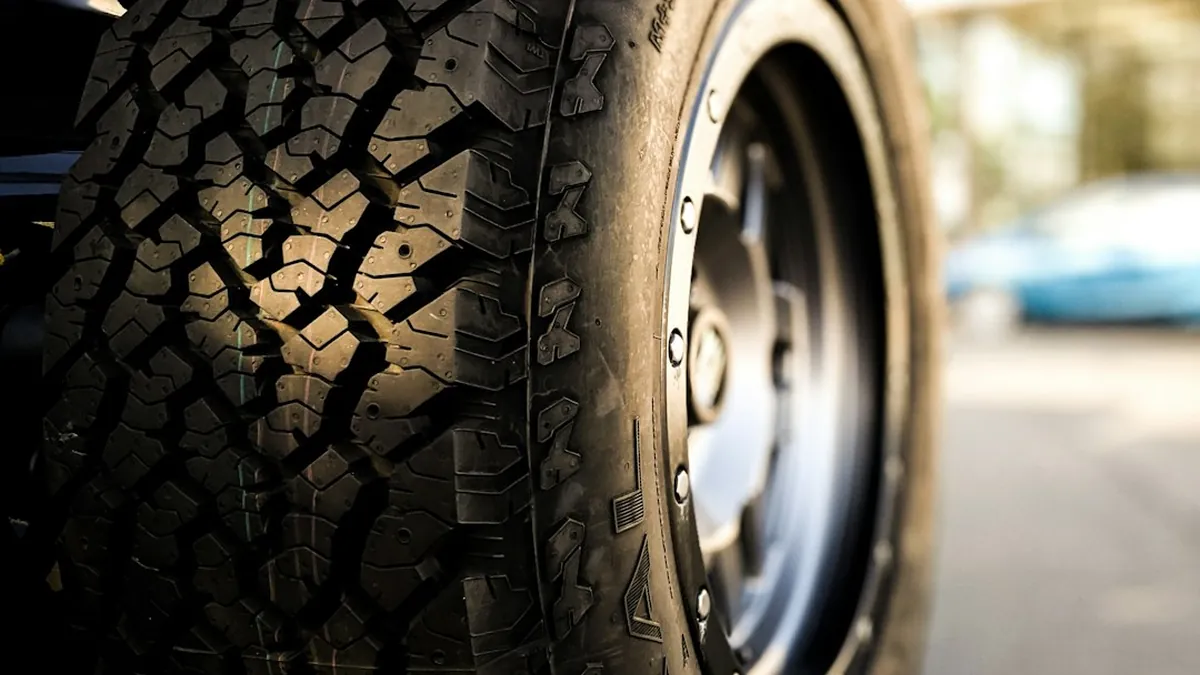
The penny test is the fastest method available to any traveler: insert a penny into the tread groove with Lincoln’s head pointing down — if you can see the top of his head, the tread is at or below 2/32 of an inch and the tire should be rejected immediately. A quarter test is even smarter, since Washington’s head disappearing into the groove confirms at least 4/32 of an inch of tread, which is the practical safety threshold for rain and highway driving. Beyond depth, scan each tire for uneven wear patterns — cupping, feathering, or bald edges — which signal alignment or suspension problems that tread depth alone won’t reveal.
It’s also worth knowing that per Carvira’s tire age guidelines, major manufacturers including Michelin, Bridgestone, and Goodyear recommend replacing tires at 6 years from manufacture date regardless of remaining tread — so check the 4-digit DOT date code on the sidewall. If the rental agent pushes back on your concerns, vacation rental deals and alternative transport options like scenic train routes are always worth having in your back pocket as leverage. Demand a different vehicle in writing, because as attorney Kenneth Love Jr. notes via Avvo legal Q&A, your contract’s disclaimers may significantly limit your legal recourse after the fact.
Checking tire tread depth on a rental car takes under 2 minutes and could genuinely save your life — especially on wet highways or winter mountain roads where stopping distances increase dramatically with worn rubber. Travelers who build this habit into every rental pickup join a small but smart group who refuse to let convenience override basic safety. Have you ever noticed a tire issue on a rental car, and how did the company respond — share your experience in the comments below.