How Budget Airlines Measure Personal Items With Metal Sizers

As participants in Amazon Associates and other programs, we earn from qualifying purchases. This comes at no additional cost to you. For more details, see our Affiliate Disclosure.
Budget air travel across Europe has never been more popular, and millions of passengers each year assume they’ve cracked the system — booking the cheapest fare, packing light, and breezing through the gate with a single bag. The promise of ultra-low fares from carriers like Ryanair, easyJet, and Wizz Air has reshaped how an entire continent moves, turning short-haul flying into something almost as casual as catching a bus.
What most travelers don’t realize, however, is that the rules governing what qualifies as a “personal item” have quietly become one of the most aggressively enforced policies in modern aviation. European low-cost carriers personal item size restrictions are no longer a vague guideline buried in fine print — they are measured, physically, at the gate, with a rigid metal sizer that shows no mercy to overstuffed backpacks or bulging tote bags.
The Personal Item Classification That Separates Free Bags From Expensive Ones
Across European low-cost carriers, the critical distinction is not between “big” and “small” bags — it’s between a personal item stored under the seat in front of you and a cabin bag that goes into the overhead bin. A personal item is typically defined as a bag fitting within approximately 40 x 20 x 25 centimeters, depending on the carrier, and it travels for free. A cabin bag, by contrast, triggers fees that can reach 50 euros or more at the gate, as detailed in this complete 2026 guide to personal item versus carry-on standards.
The overhead bin distinction also carries a safety dimension that goes far beyond baggage fees. Carry-on bags stored above passengers require travelers to unbuckle, stand in the aisle, and open a shared compartment — actions that flight attendants prohibit during taxi, takeoff, landing, and turbulence, creating real evacuation risks that aviation researchers have flagged for years. Understanding flight attendant boarding protocols reveals just how seriously airlines treat these seemingly minor distinctions.
Gate Enforcement, Metal Sizers, and the Airline-by-Airline Reality
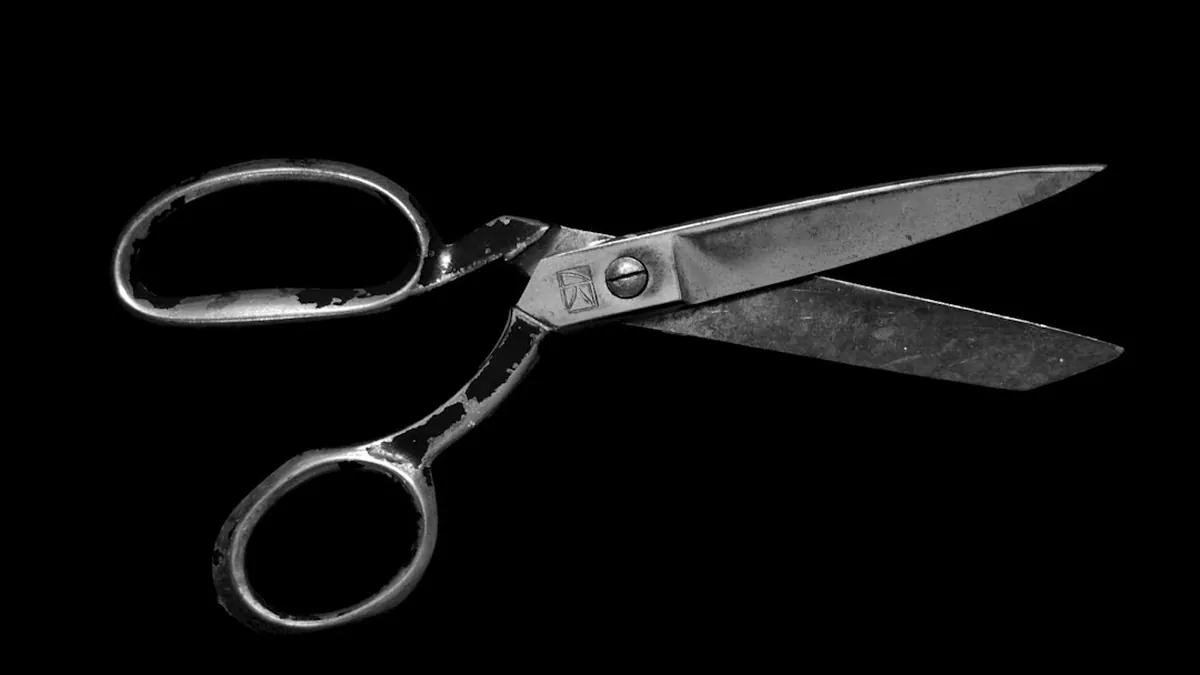
Ryanair’s official bag rules specify a personal item allowance of 40 x 20 x 25 cm, and gate agents are now routinely stationed with physical metal sizers to test bags before boarding — a practice that has intensified significantly at major European hubs. easyJet and Wizz Air operate under similarly tight dimensions, and all 3 carriers have made gate-checking a revenue stream, not merely a compliance exercise. Passengers who arrive with a bag that doesn’t fit the sizer face on-the-spot fees that are dramatically higher than what they would have paid during online check-in, a pattern extensively documented across budget airline baggage surcharges.
The enforcement framework itself exists within a regulatory grey zone that raises legitimate questions about consistency and fairness. The EU’s Ground Handling Directive permits Member States to limit the number of service suppliers at certain airports, which introduces discretionary enforcement that can vary wildly between terminals and staff — a structural ambiguity that consumer advocates argue undermines the uniform passenger protections the EU was built to guarantee. The smartest strategy for frequent flyers is to measure bags at home using the exact carrier dimensions, pack to 80% capacity to allow for compression during the sizer test, and always check in online to lock in the lowest possible bag fee tier.
European low-cost carriers have turned the personal item policy into one of the most consequential decisions a traveler makes before reaching the airport, and the metal sizer is simply the final, unforgiving verdict. Knowing the rules in advance — down to the centimeter — is the only reliable way to avoid a stressful and expensive surprise at the gate. Have you ever had a bag rejected at a European airport gate, and how did you handle it? Share your experience in the comments below.