Airline Bumped You? Skip the Food Voucher & Claim Cash
As participants in Amazon Associates and other programs, we earn from qualifying purchases. This comes at no additional cost to you. For more details, see our Affiliate Disclosure.
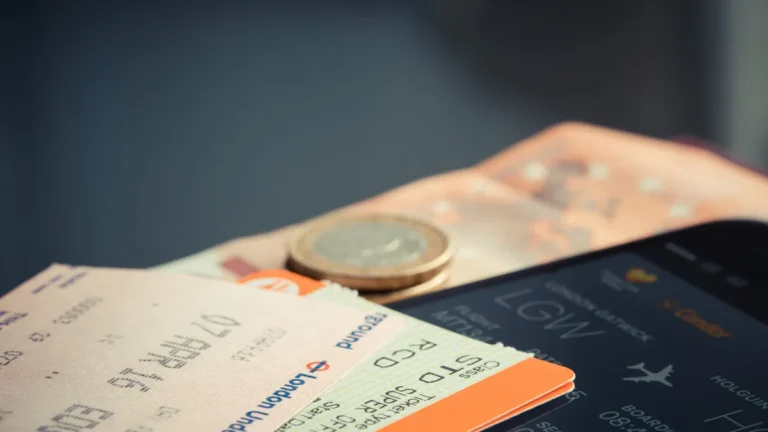
Few travel experiences sting quite like arriving at the gate, boarding pass in hand, only to be told there is no seat waiting for you. Airlines have quietly practiced overbooking for decades, selling more tickets than a plane can physically hold and betting that a predictable number of passengers will simply not show up. For most travelers, the moment feels chaotic and deeply unfair — and the airline’s first offer rarely makes it better.
The standard response from gate agents is to slide a food voucher or a travel credit across the counter, and a surprising number of passengers accept it without question. What those travelers do not realize is that federal law entitles them to something far more valuable: hard cash. Understanding airline overbooking mechanics is the first step toward claiming every dollar you are legally owed.
Involuntary Bumping Triggers a Federal Cash Entitlement, Not a Courtesy Gesture
When a passenger is denied boarding against their will — a process formally called an involuntary denied boarding — the U.S. Department of Transportation mandates specific cash compensation tied directly to how long the airline delays your arrival. According to DOT consumer protection rules, passengers delayed between 1 and 2 hours on a domestic flight are owed 200% of their one-way fare, capped at 775 dollars. A delay exceeding 2 hours doubles that obligation to 400% of the one-way fare, capped at 1,550 dollars.
These thresholds are not suggestions — they are enforceable federal minimums that airlines are legally required to pay on the spot. Data tracking involuntary denied boardings showed a significant drop in bump rates after high-profile incidents drew public scrutiny, falling from 4.38 passengers per 100,000 to just 2.09 per 100,000 in Q3 of 2026, according to Upgraded Points research. Even so, bumping still happens regularly, and airlines remain highly motivated to settle the situation as cheaply as possible.
Airlines Lead With Vouchers Because Most Passengers Never Push Back
Gate agents are trained to offer travel vouchers or meal credits first, and the strategy works precisely because most passengers do not know they can refuse. Vouchers typically come loaded with expiration dates, blackout periods, and airline-specific restrictions that dramatically reduce their real-world value. Knowing why vouchers shortchange bumped passengers is critical before you respond to anything an agent offers you at the gate.
The correct move is to calmly but firmly state that you are declining the voucher and requesting your DOT-mandated cash compensation in writing. Airlines must provide a written statement explaining your rights alongside the payment, and you have a 3-year window to file a claim if the airline refuses to pay at the gate. Document everything — your boarding pass, the denial notice, and the names of agents you speak with — because that paper trail becomes your leverage.
Airline bumped passenger compensation is a legal right, not a negotiating chip, and the difference between a 50-dollar meal voucher and 1,550 dollars in cash is simply knowing the rules before the gate agent speaks first. The system is designed to reward passengers who advocate for themselves clearly and immediately. Have you ever been bumped from a flight, and did the airline offer you what you were actually owed? Share your experience in the comments below.