Flight Delay Refund: Legal Rights When Delayed 3+ Hours

As participants in Amazon Associates and other programs, we earn from qualifying purchases. This comes at no additional cost to you. For more details, see our Affiliate Disclosure.
Every year, millions of air travelers sit stranded at gates, watching departure boards flip from “delayed” to “delayed” again, quietly accepting the situation as an unavoidable part of modern travel. The airline industry has long benefited from a widespread passenger assumption that delays are simply bad luck — something to endure rather than something to legally challenge. That passive acceptance, it turns out, costs travelers real money.
Most passengers have no idea that a flight delay refund isn’t just a courtesy gesture from a sympathetic gate agent — it can be a legally enforceable right under both U.S. and international regulations. The rules are more nuanced than a single threshold, and airlines are counting on the fact that most travelers won’t dig into the fine print. Understanding exactly where you stand legally can be the difference between walking away empty-handed and recovering hundreds of dollars.
DOT Regulations Establish Clear Refund Entitlements for Domestic Passengers
Under rules enforced by the U.S. Department of Transportation, airlines operating domestic routes are required to issue a full cash refund when a flight is significantly delayed and the passenger chooses not to travel, according to the DOT’s aviation consumer protection guidelines. A “significant delay” is now formally defined, meaning airlines can no longer hide behind vague language to deny claims. Passengers are entitled to a refund to the original form of payment — not just a travel voucher.
For international flights, EU261 regulations extend powerful protections that many U.S.-based travelers overlook entirely. Notably, EU regulators have ruled that passengers on flights departing more than 1 hour earlier than the original scheduled time are also owed compensation — a detail that catches even frequent flyers off guard. These protections apply to any flight departing from an EU airport, regardless of the airline’s home country, as detailed by The Points Guy’s EU261 breakdown.

Third-Party Bookings and Credit Card Disputes Carry Their Own Separate Rules
1 of the most common mistakes travelers make is assuming the DOT’s 24-hour refund rule applies universally — it does not. That requirement applies only to tickets purchased directly through airlines; tickets booked via online travel agencies or third-party agents fall outside its scope, though those agents may voluntarily offer similar protections. This distinction matters enormously when a delay turns into a cancellation and you’re trying to recover costs fast. With airline fee shifts already frustrating passengers in 2026, knowing which booking channel gives you the most leverage is more critical than ever.
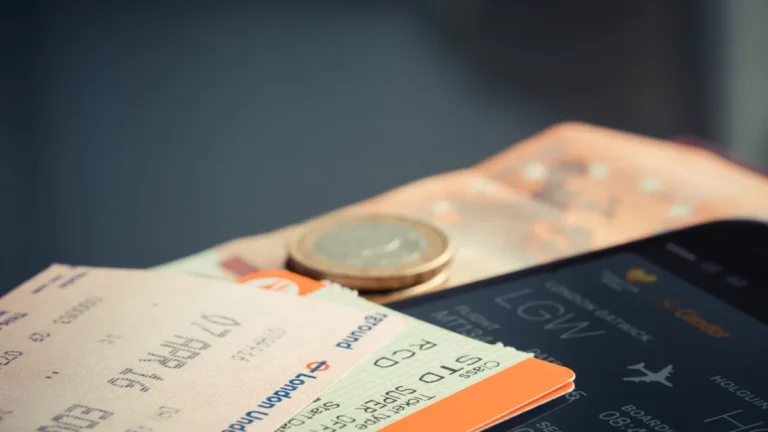
When an airline refuses to cooperate on a flight delay refund, your credit card issuer can become a powerful ally through the chargeback process. Merchants — including airlines — are free to appeal chargebacks, and arbitration may ultimately be required if the dispute escalates, so documentation is everything. Keeping boarding passes, delay notifications, and written communications creates the paper trail that turns a disputed claim into a winnable one.
Knowing your rights transforms a frustrating delay from a passive inconvenience into an actionable financial recovery opportunity. The legal framework exists — the only variable is whether travelers are informed enough to use it. Have you ever successfully claimed a flight delay refund, or been stonewalled by an airline? Share your experience in the comments below.